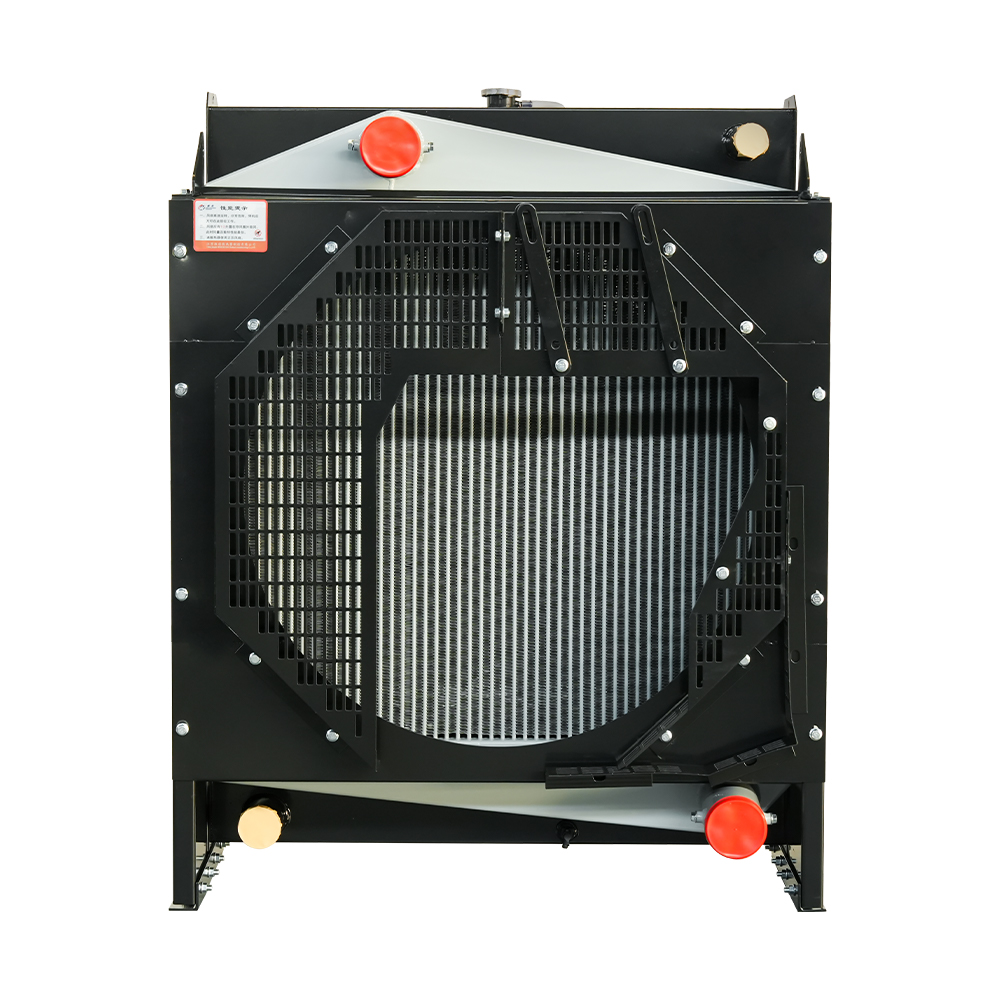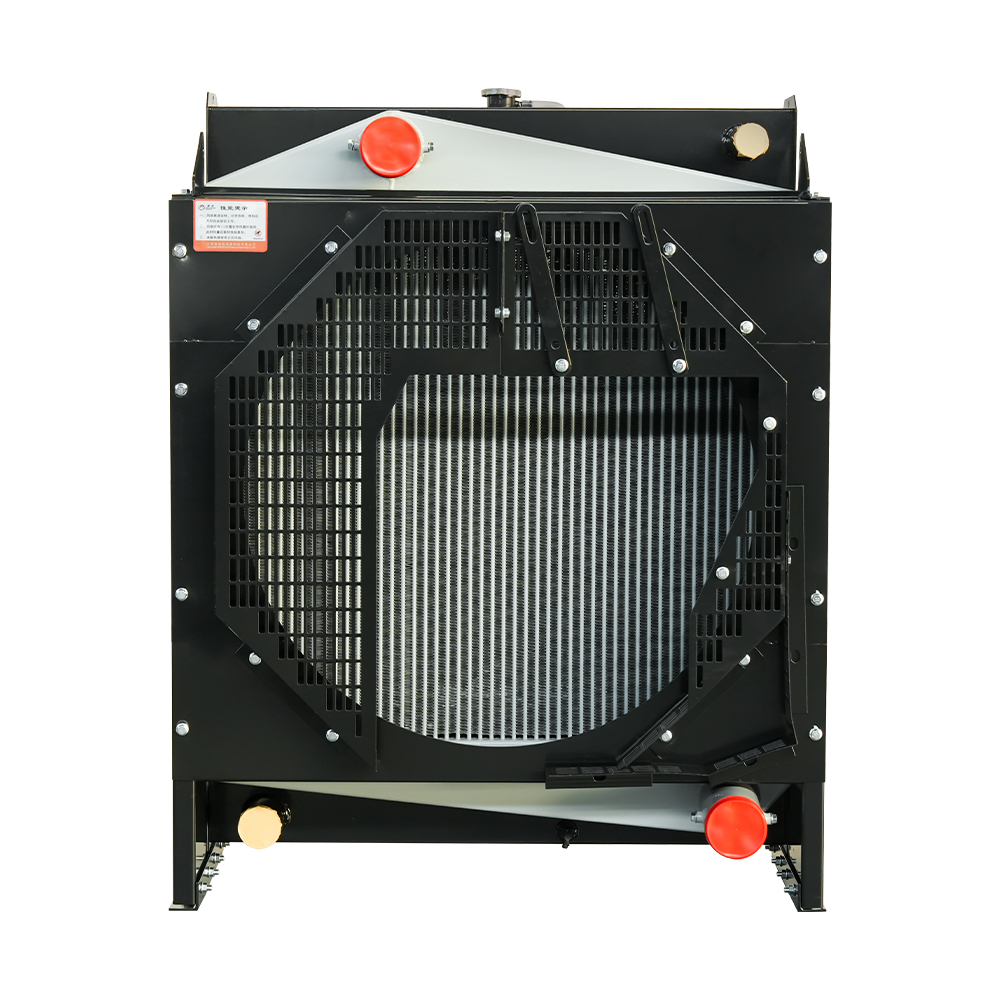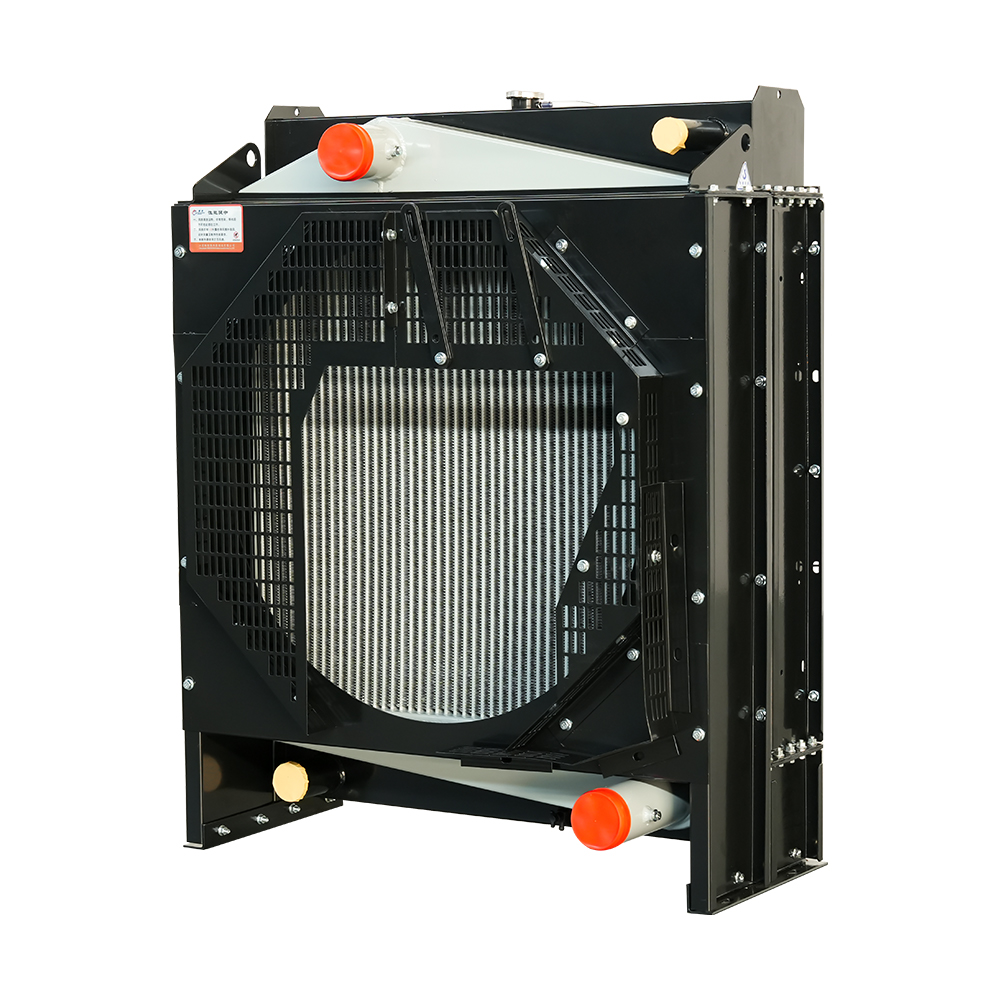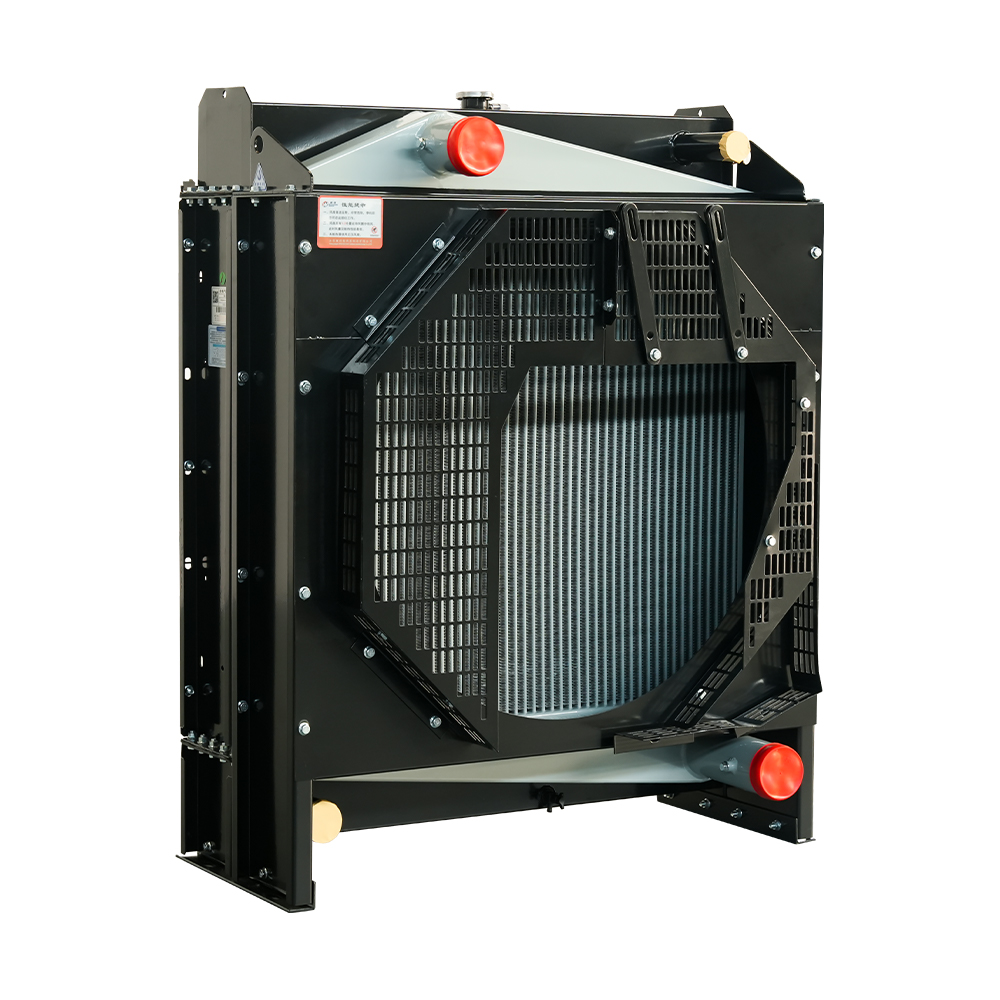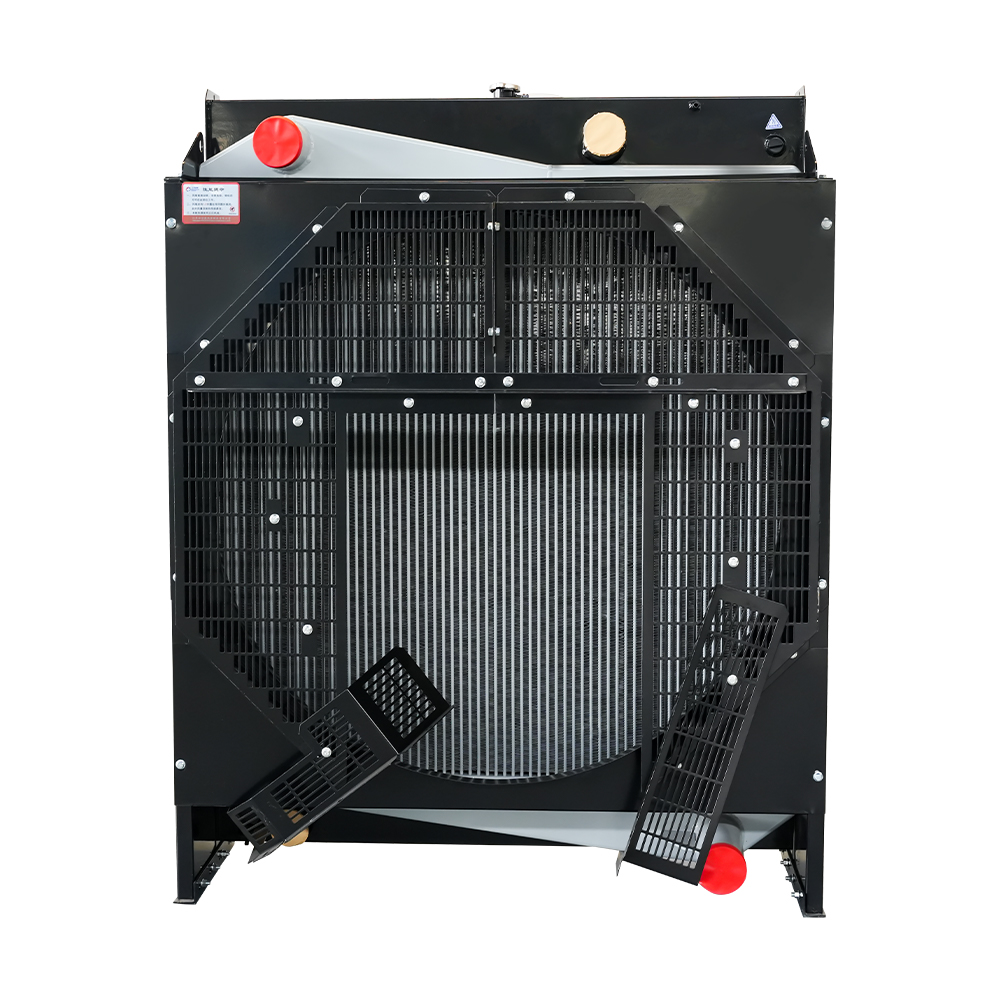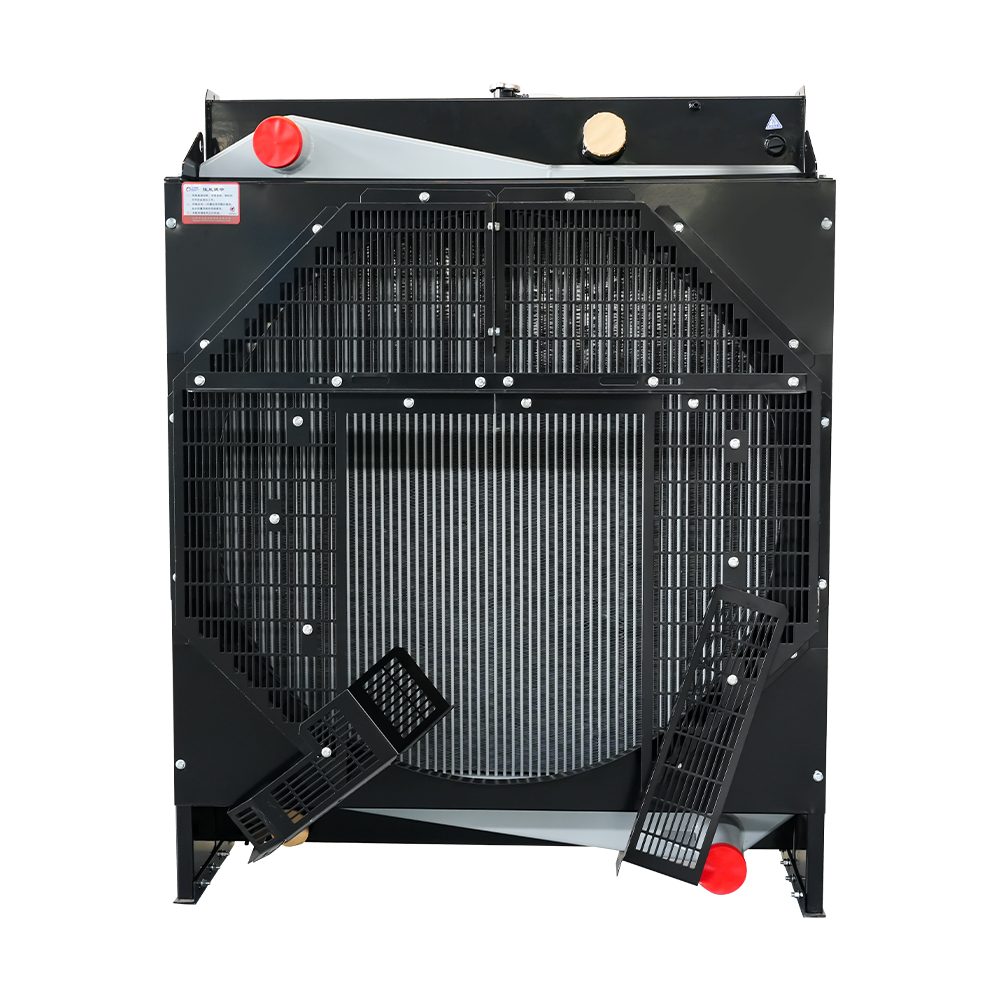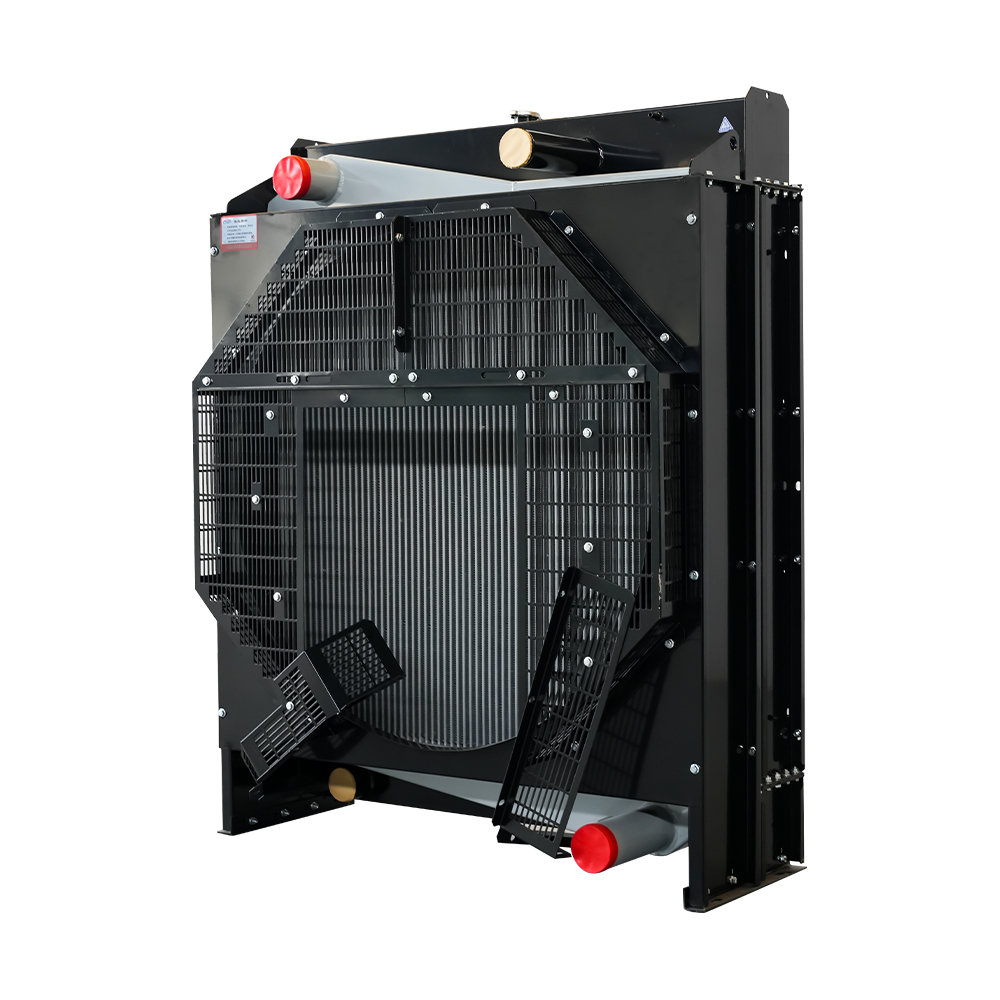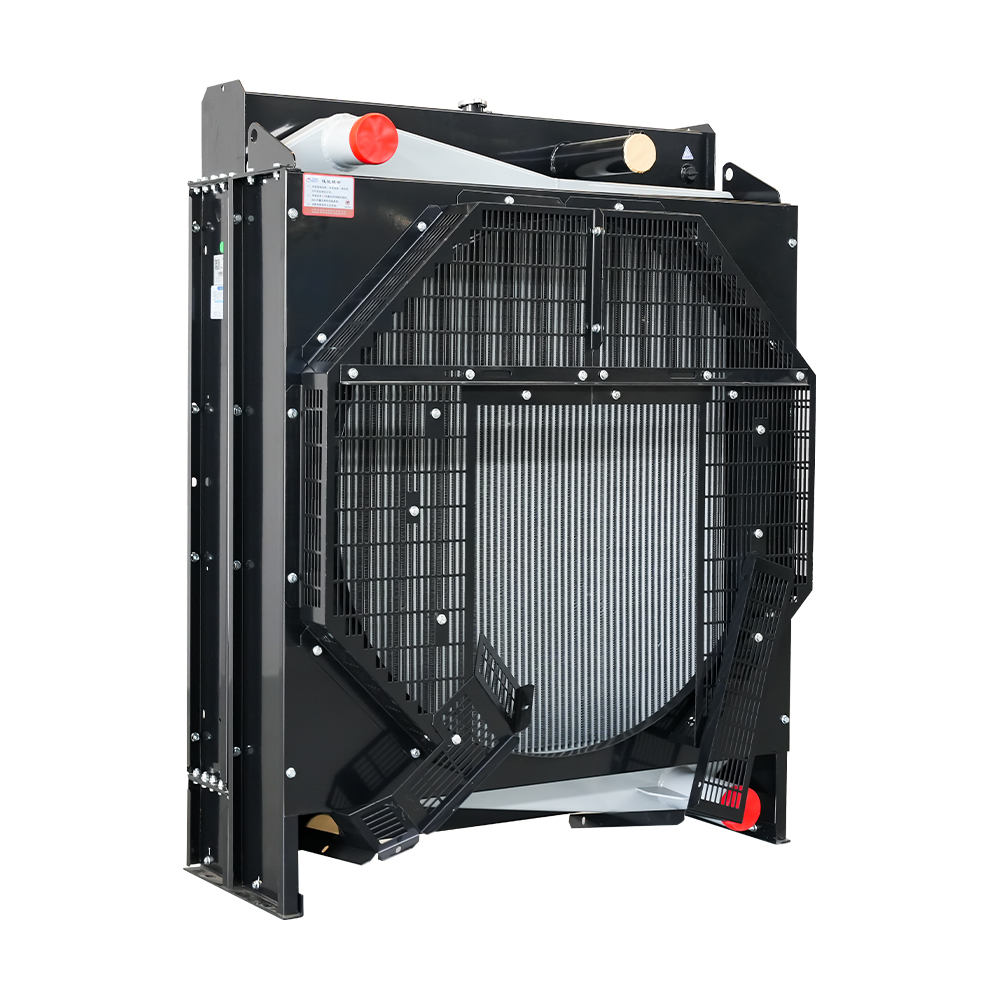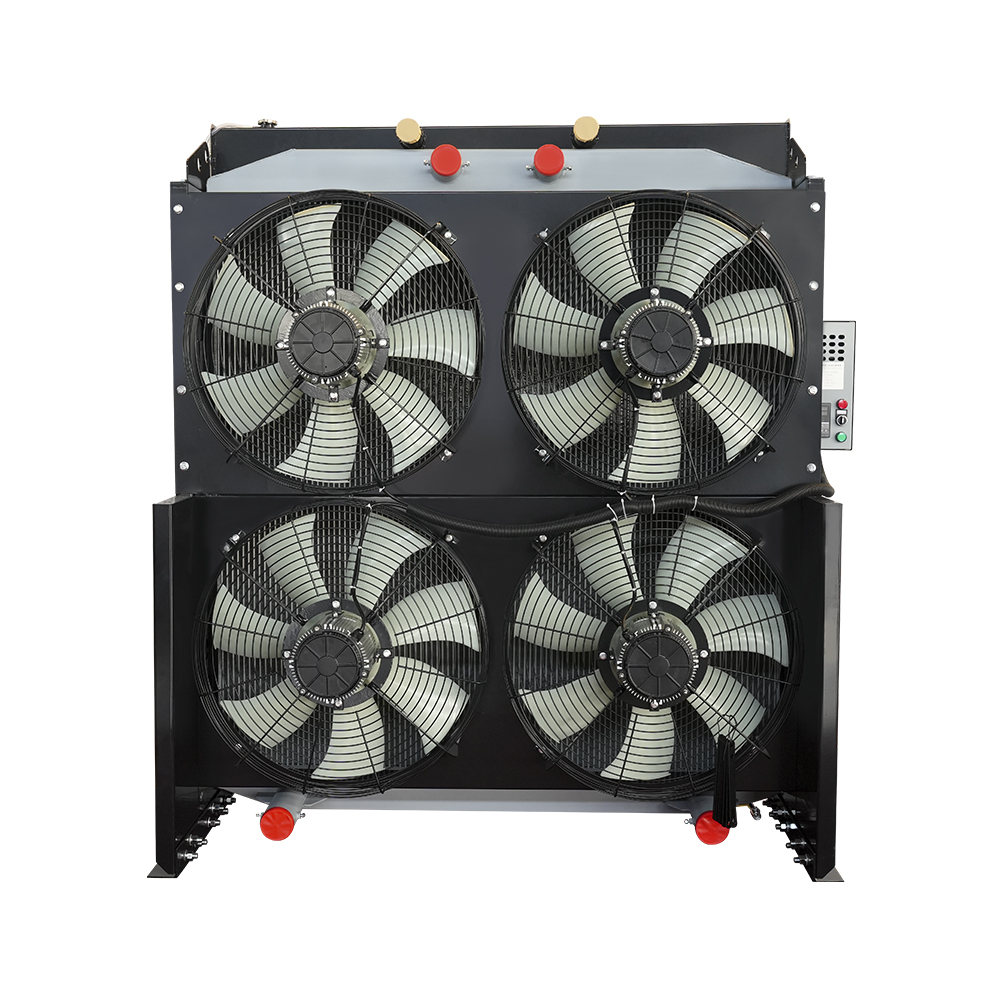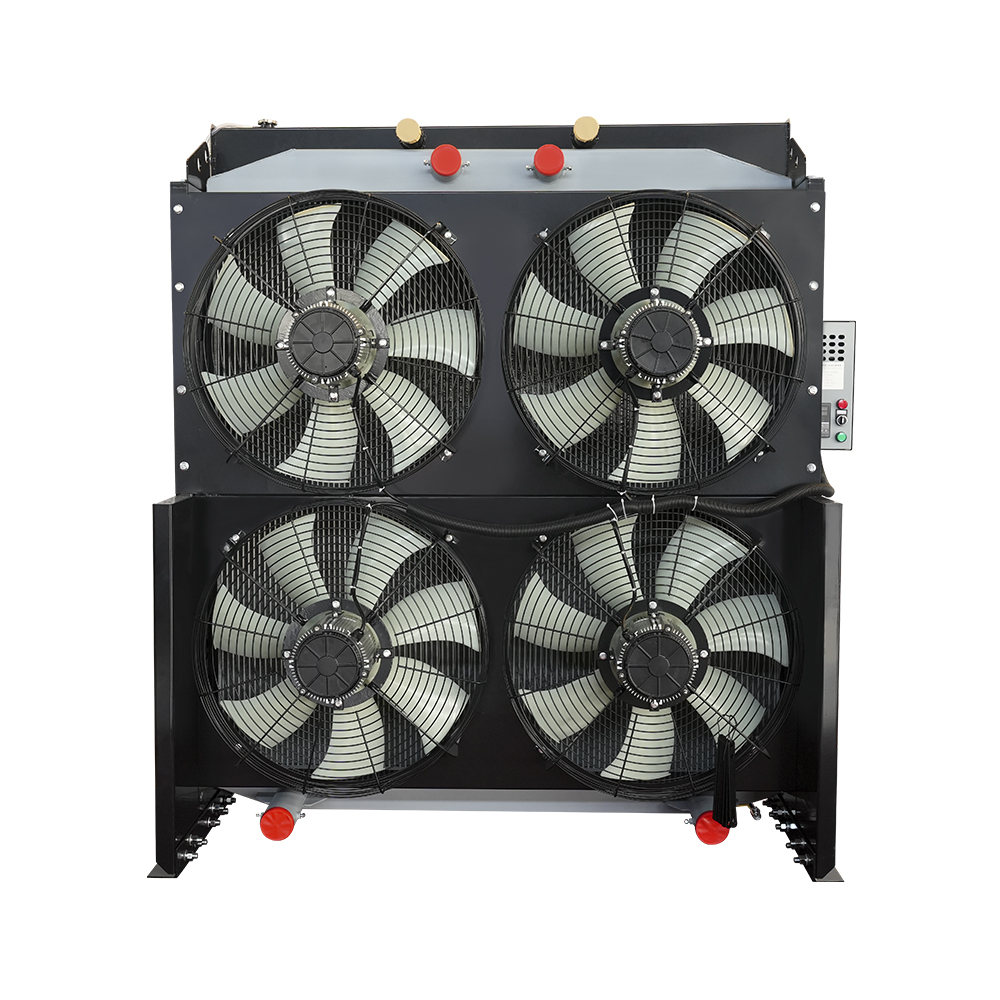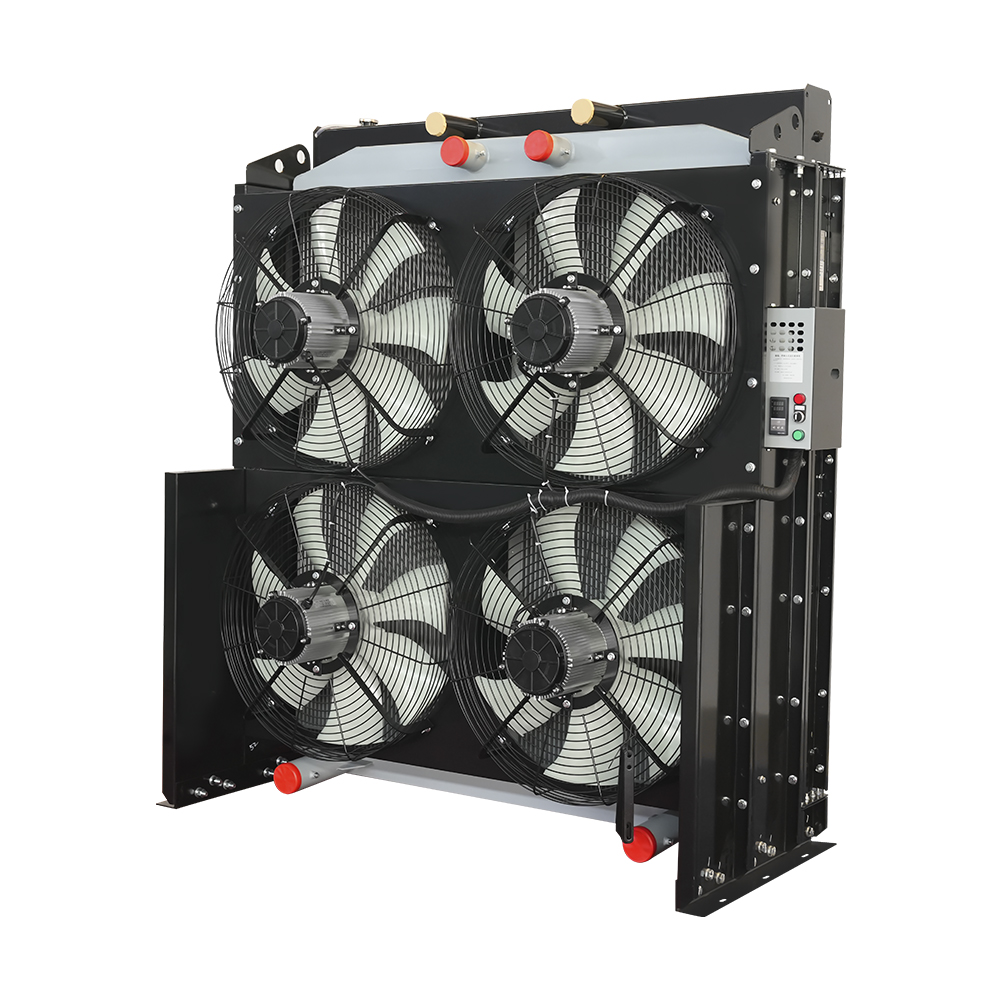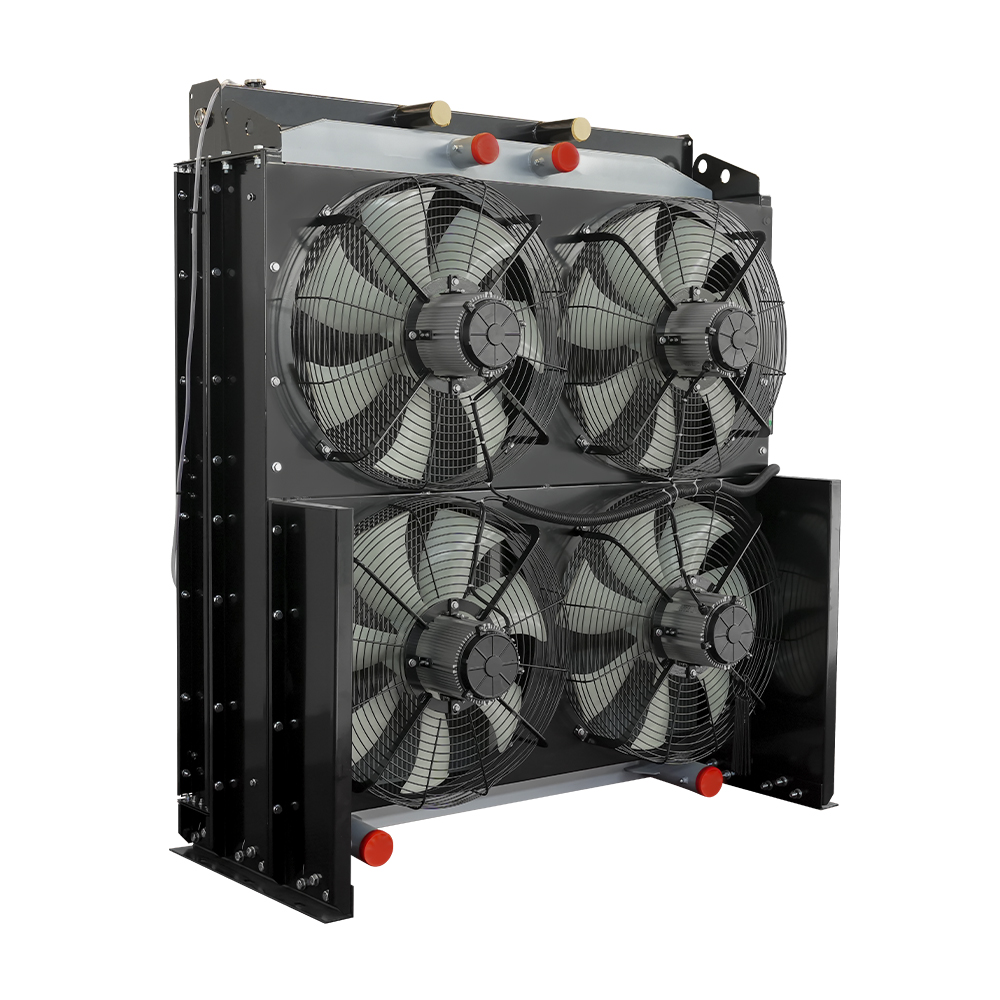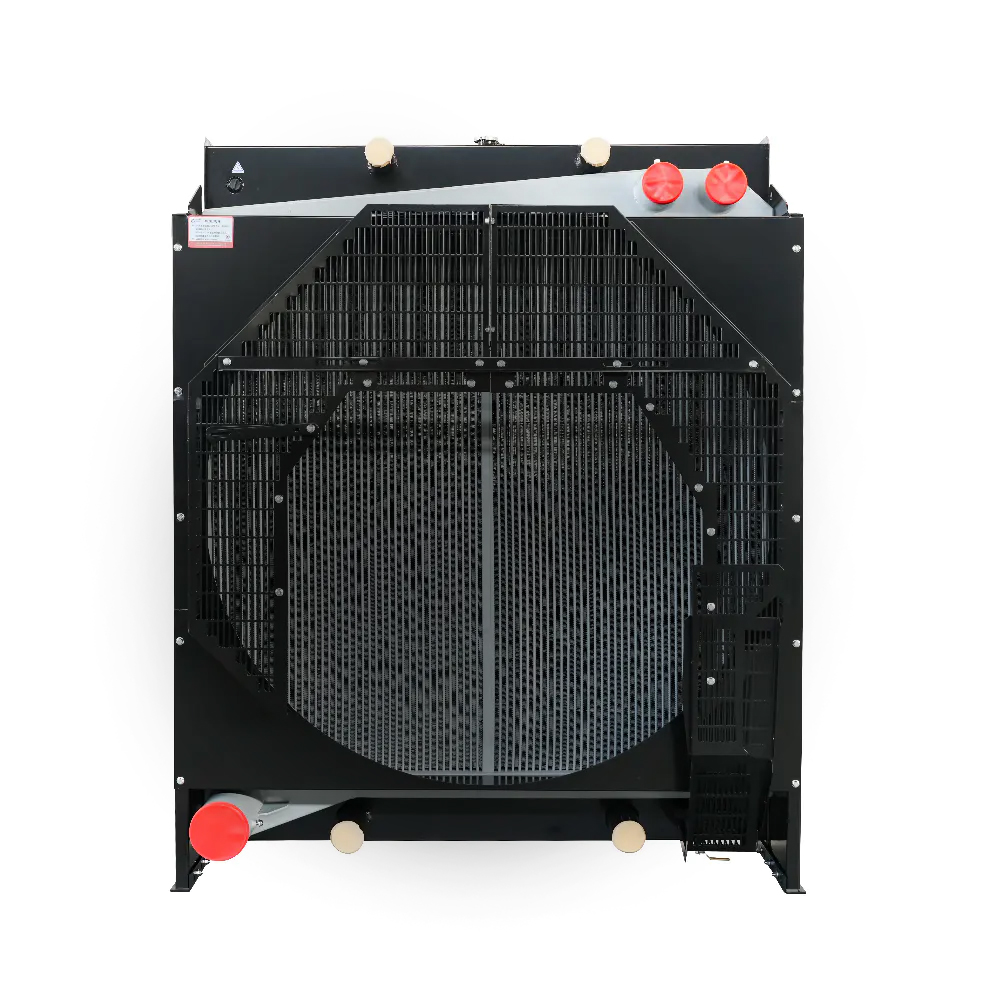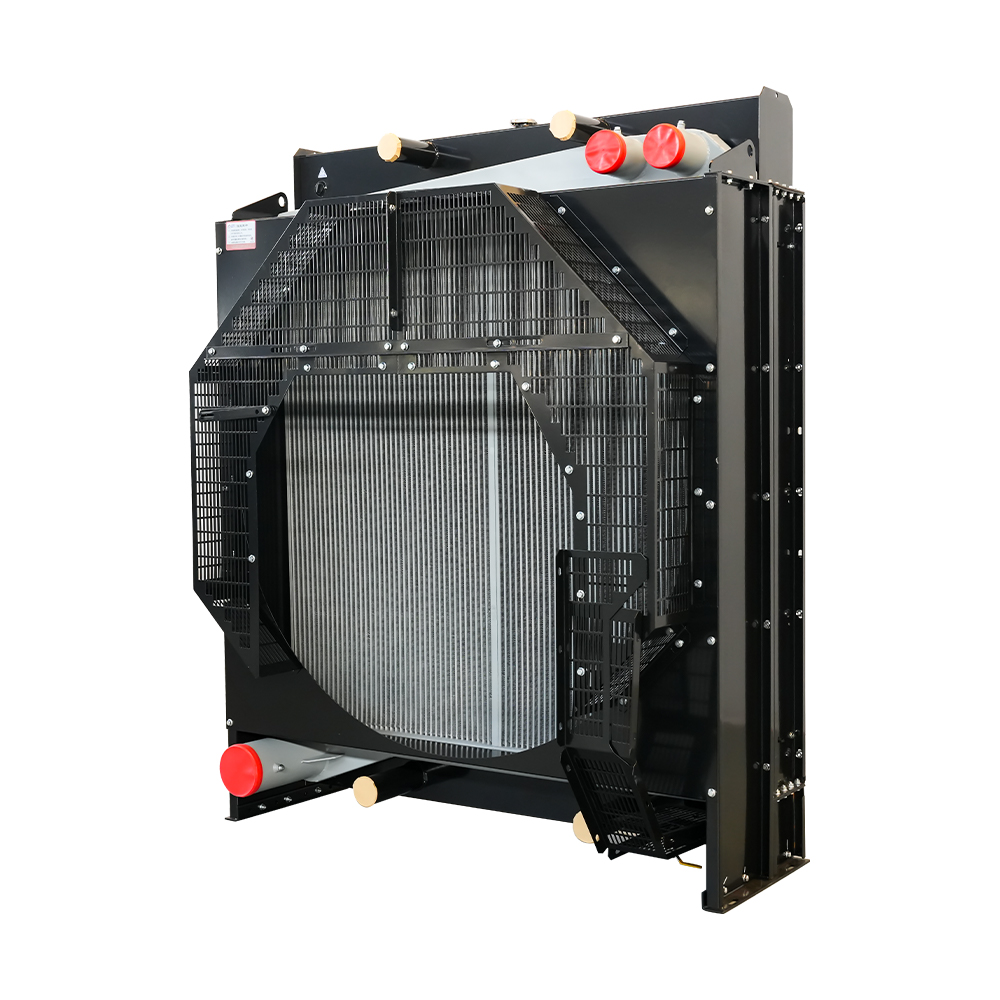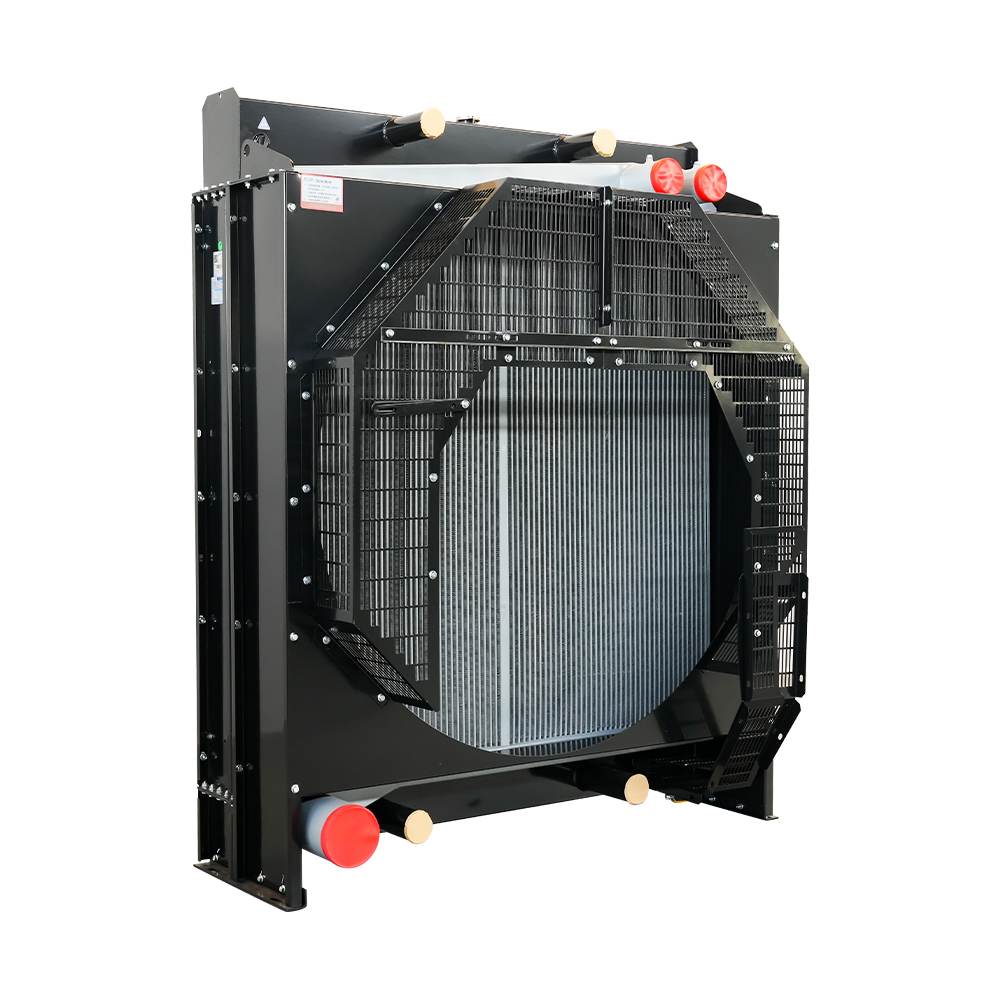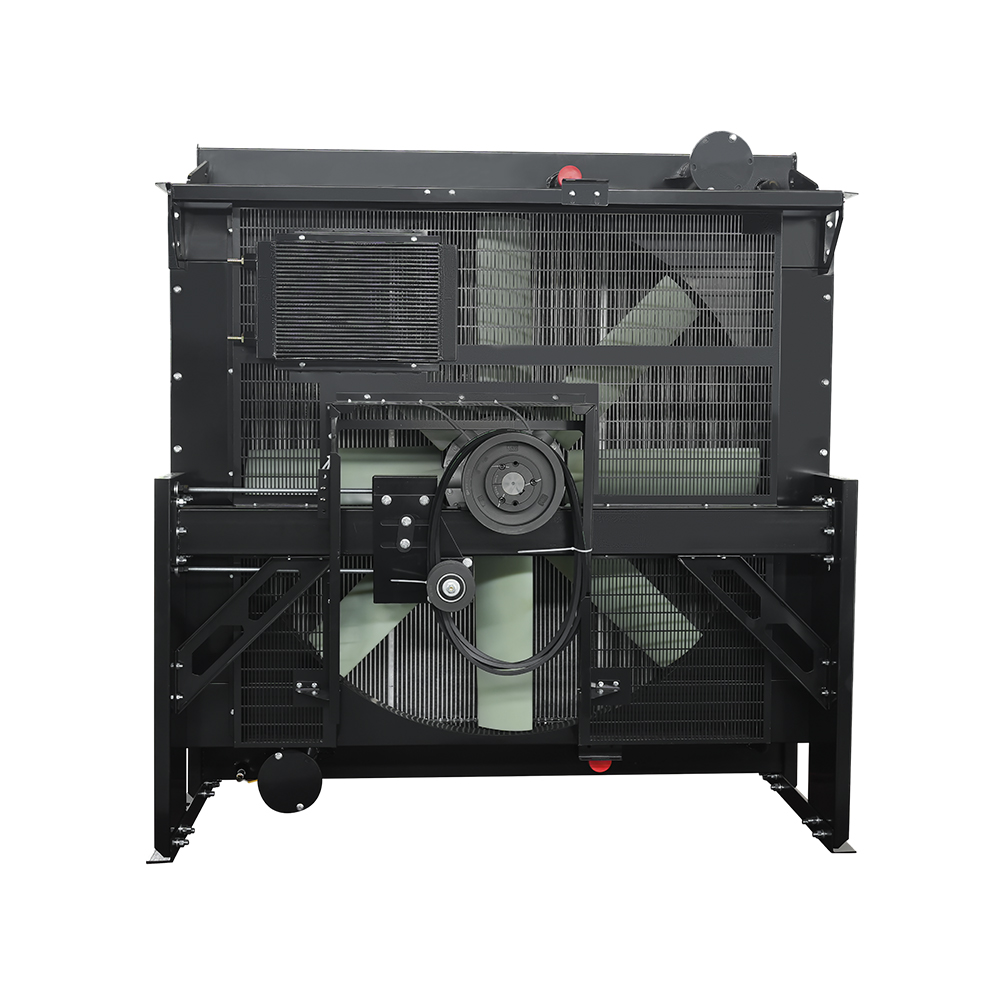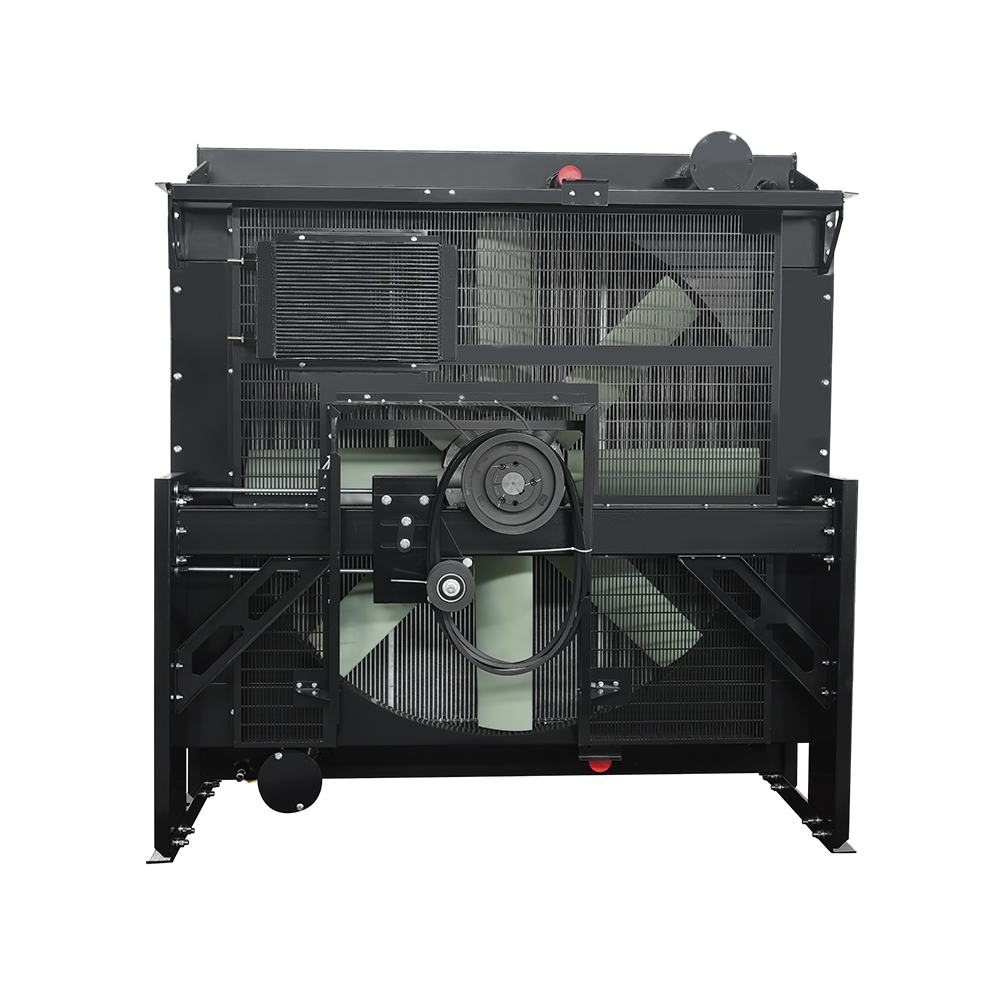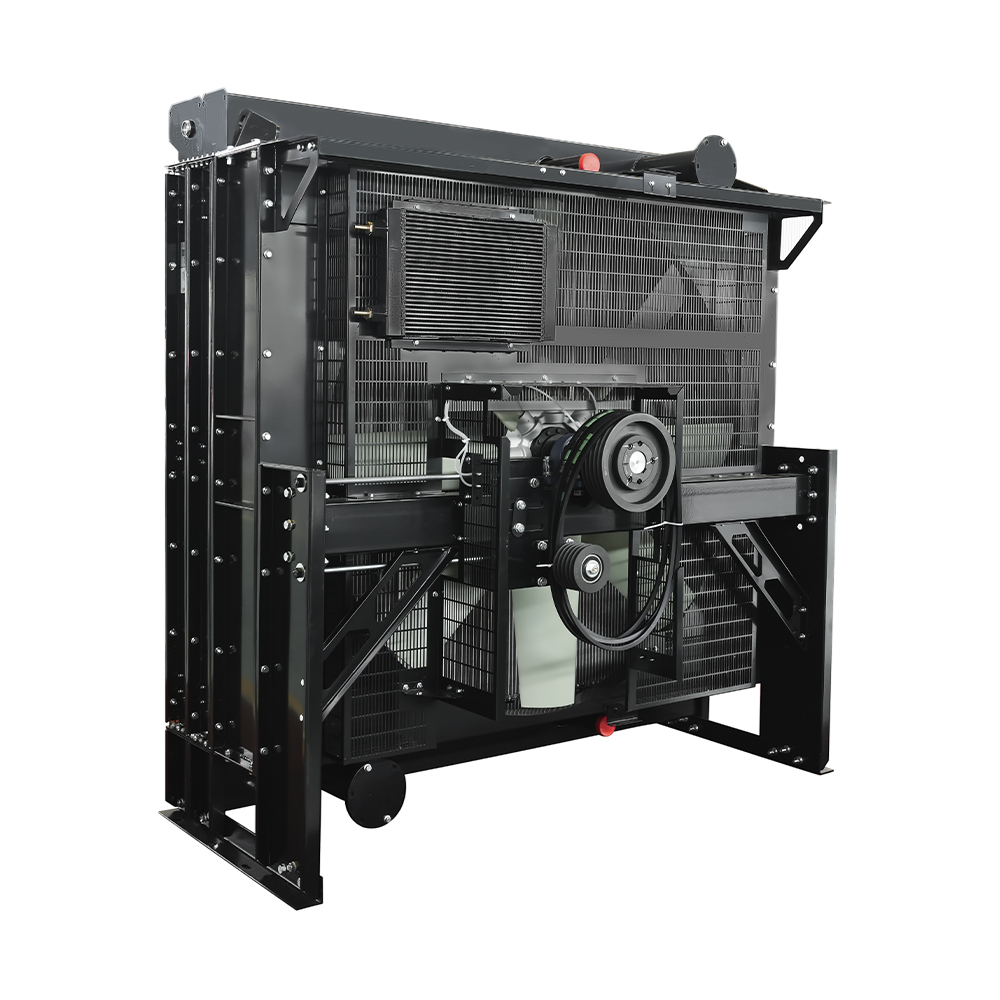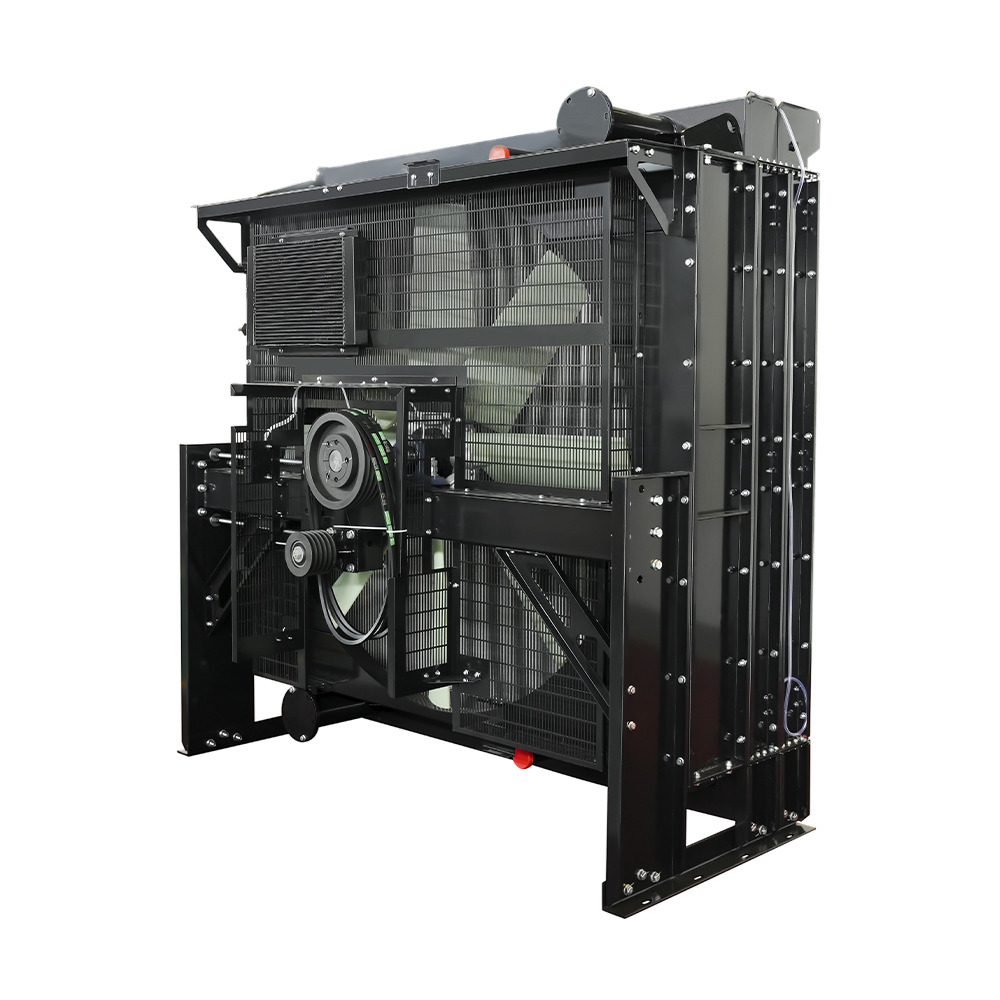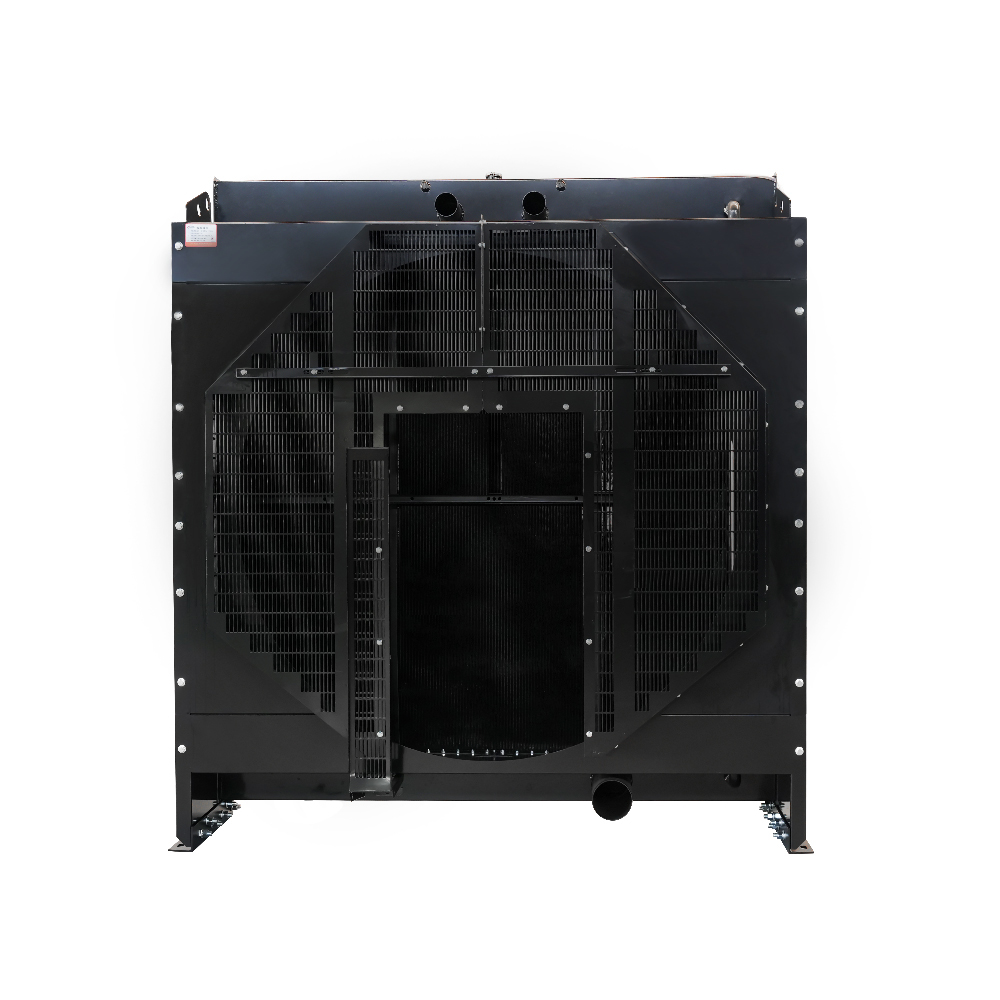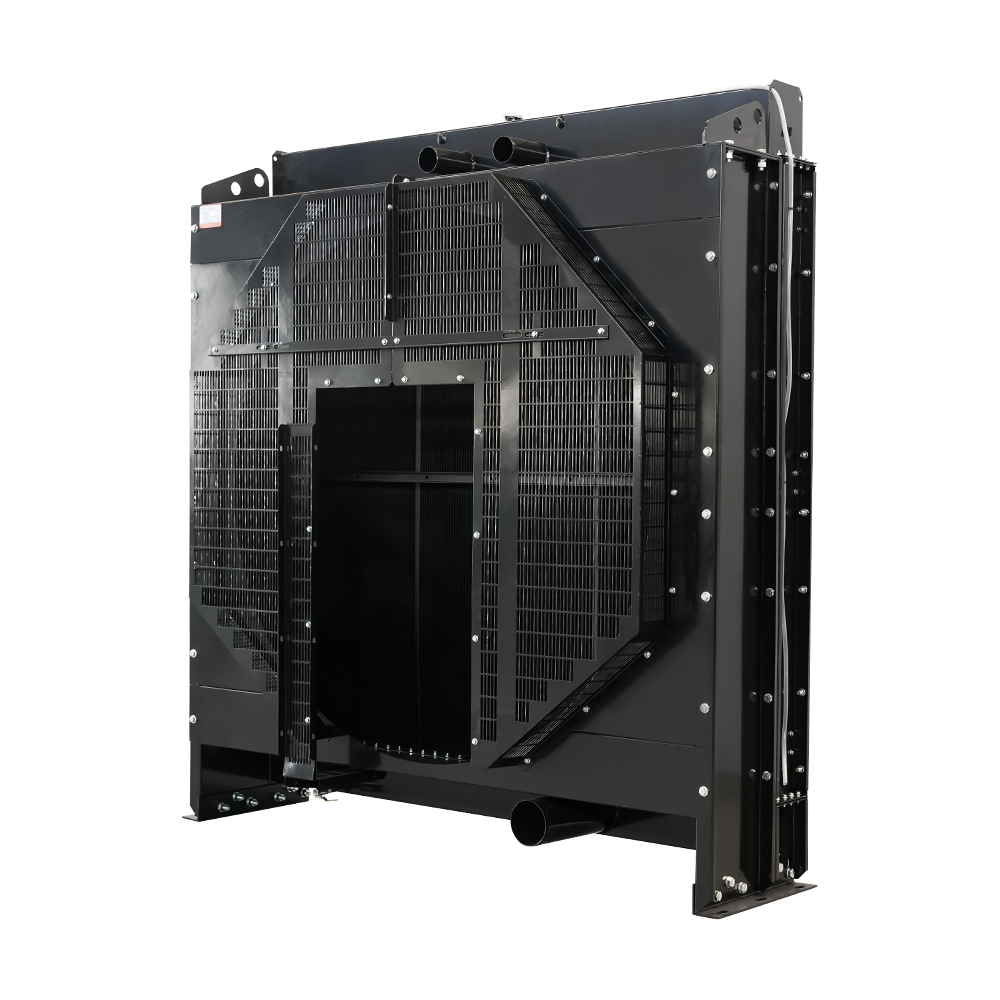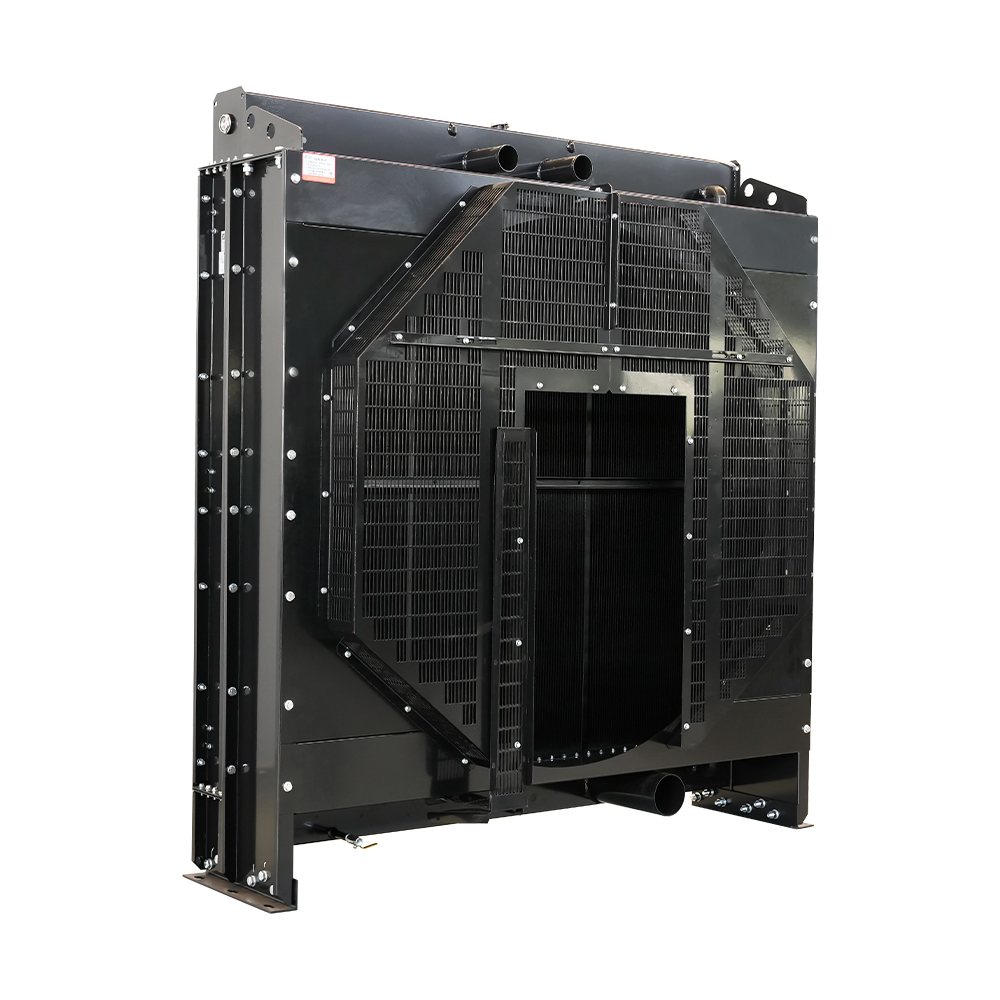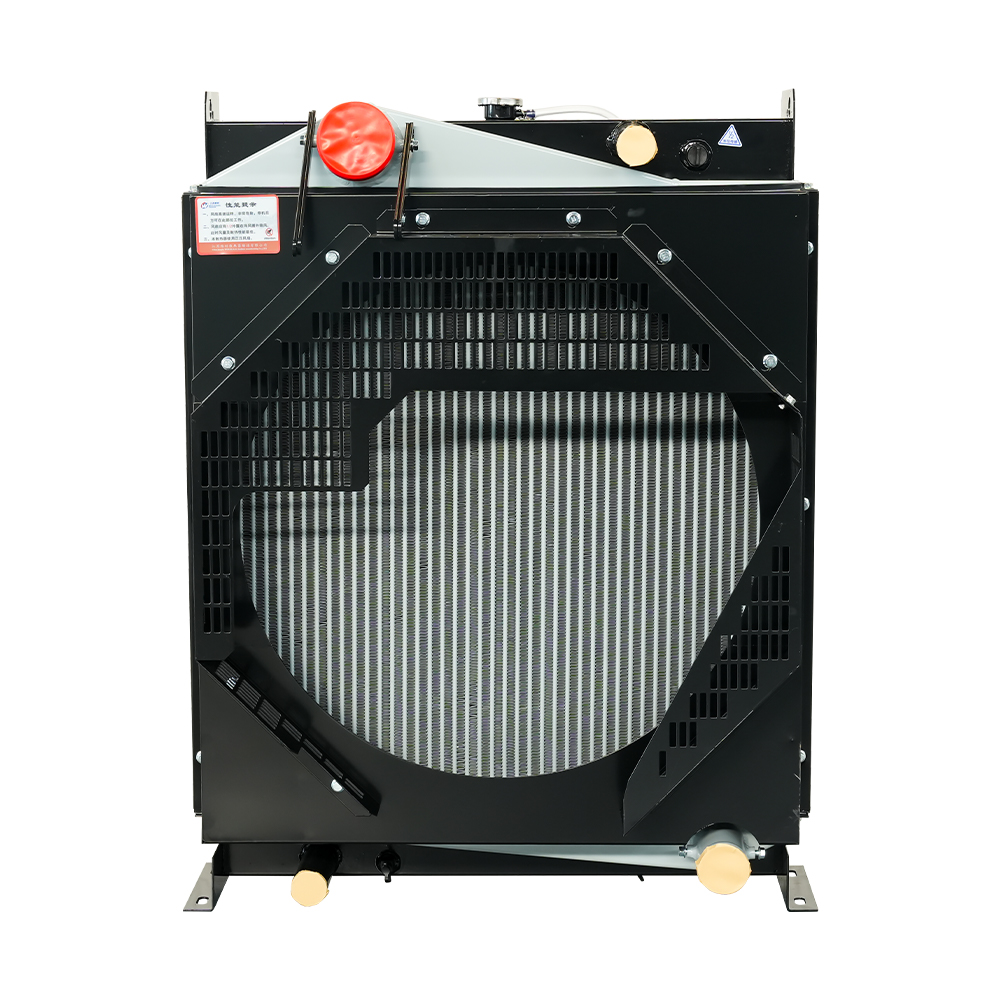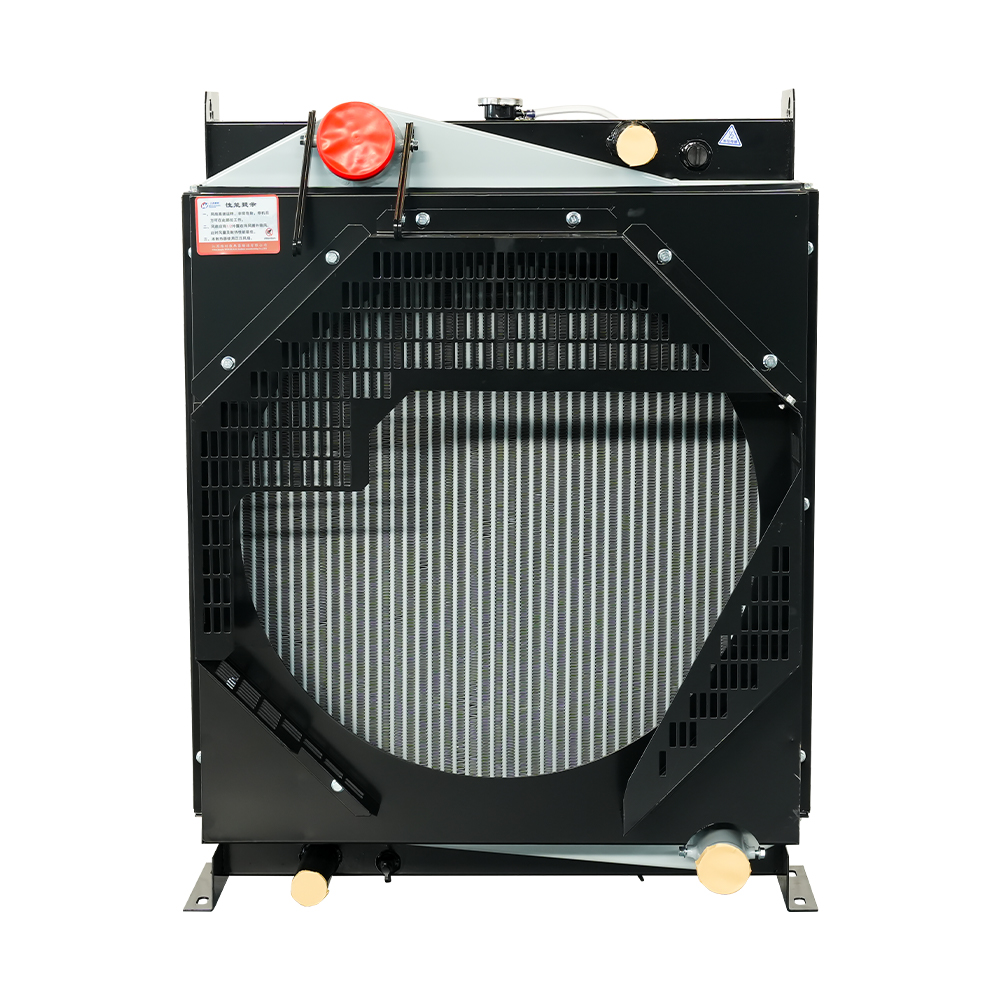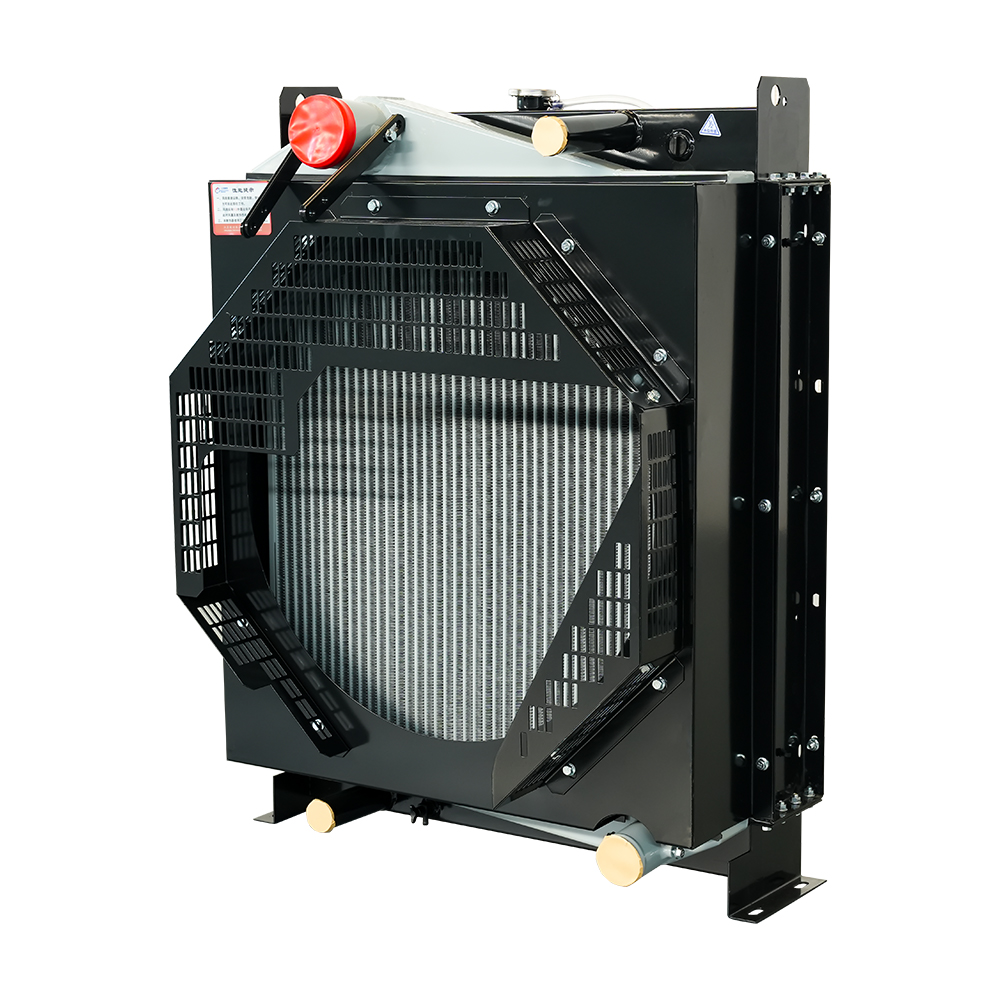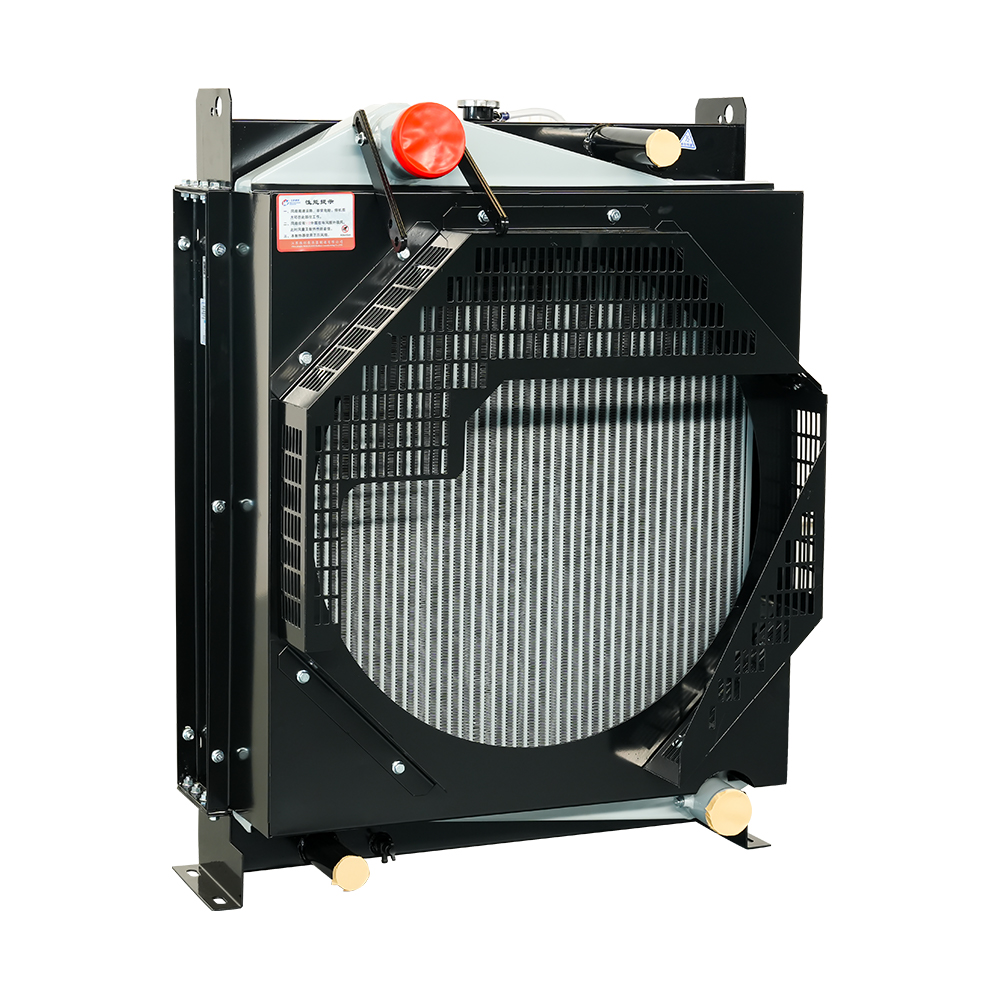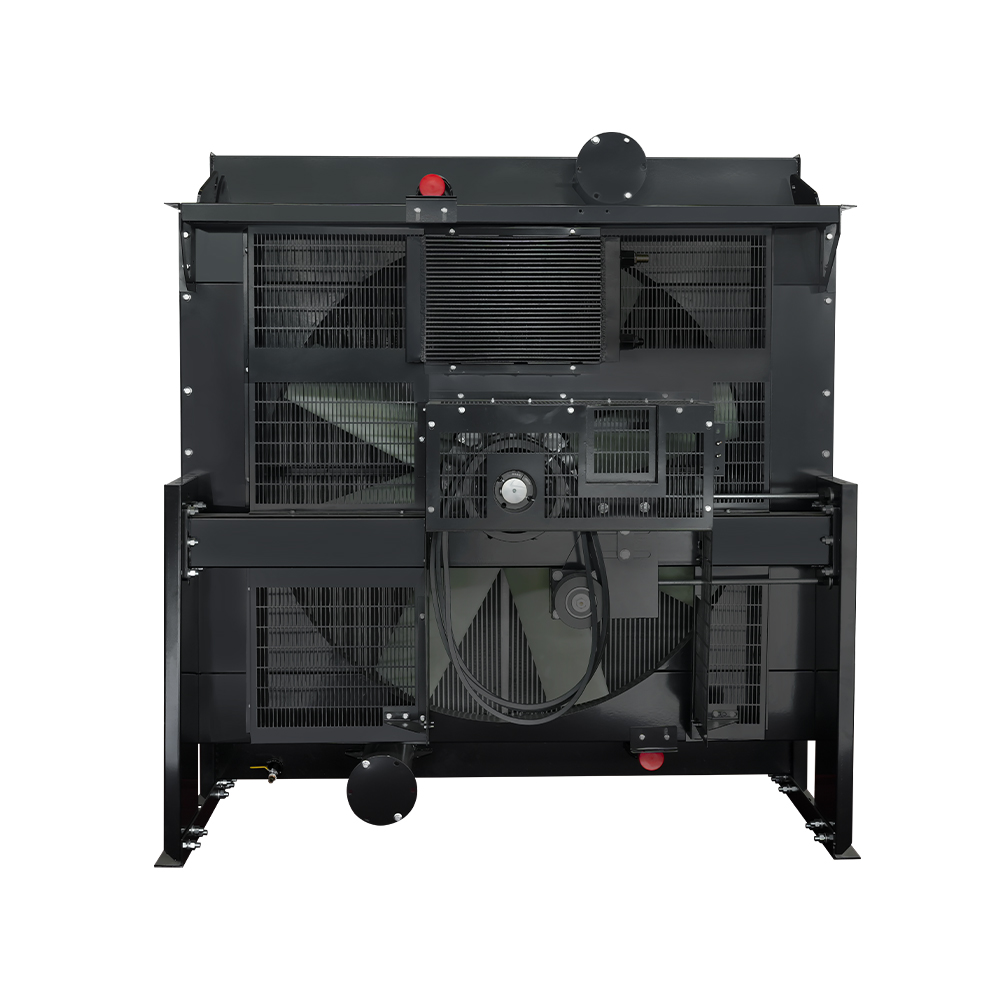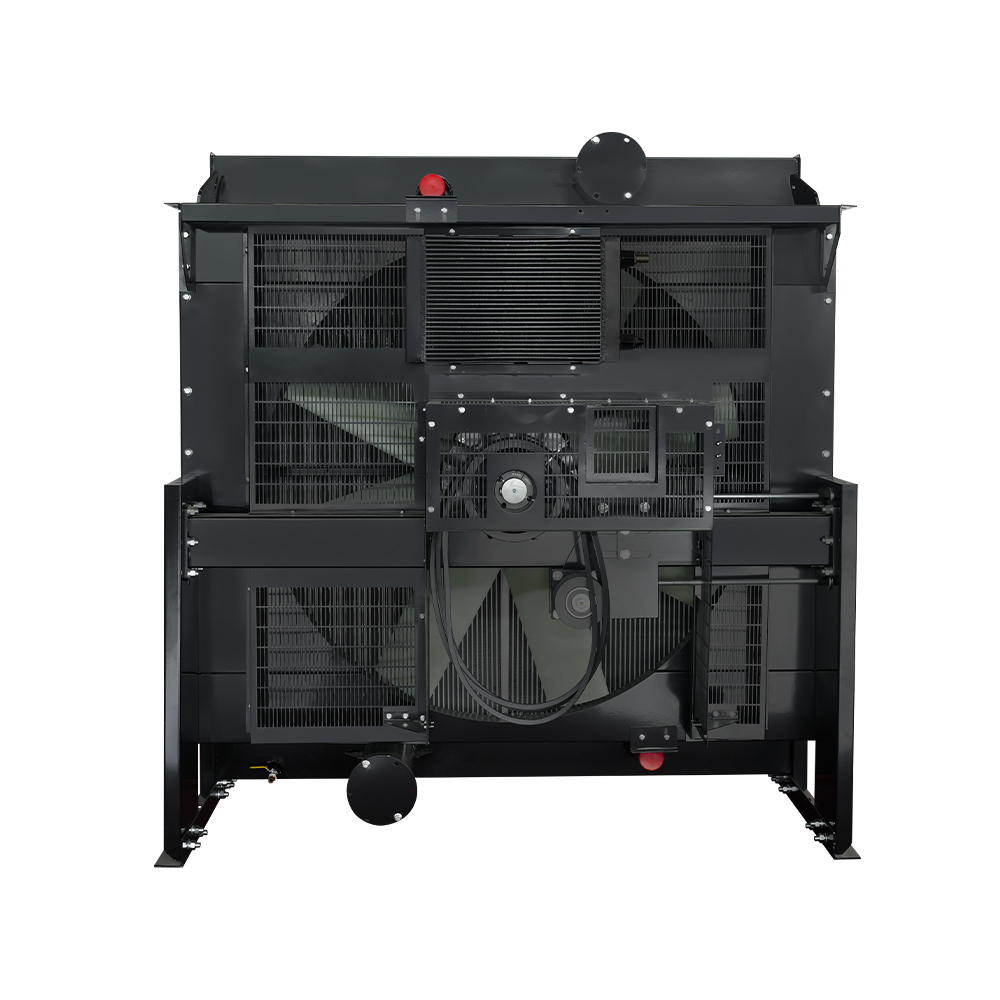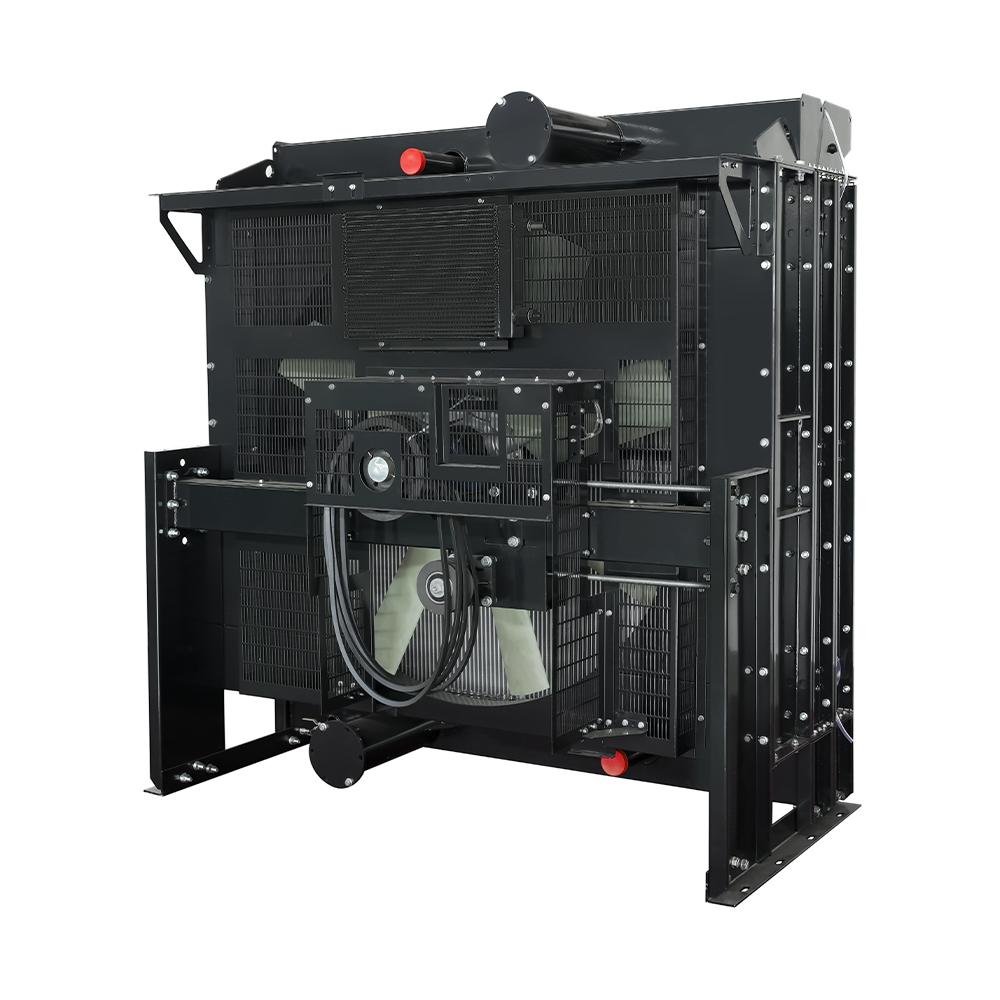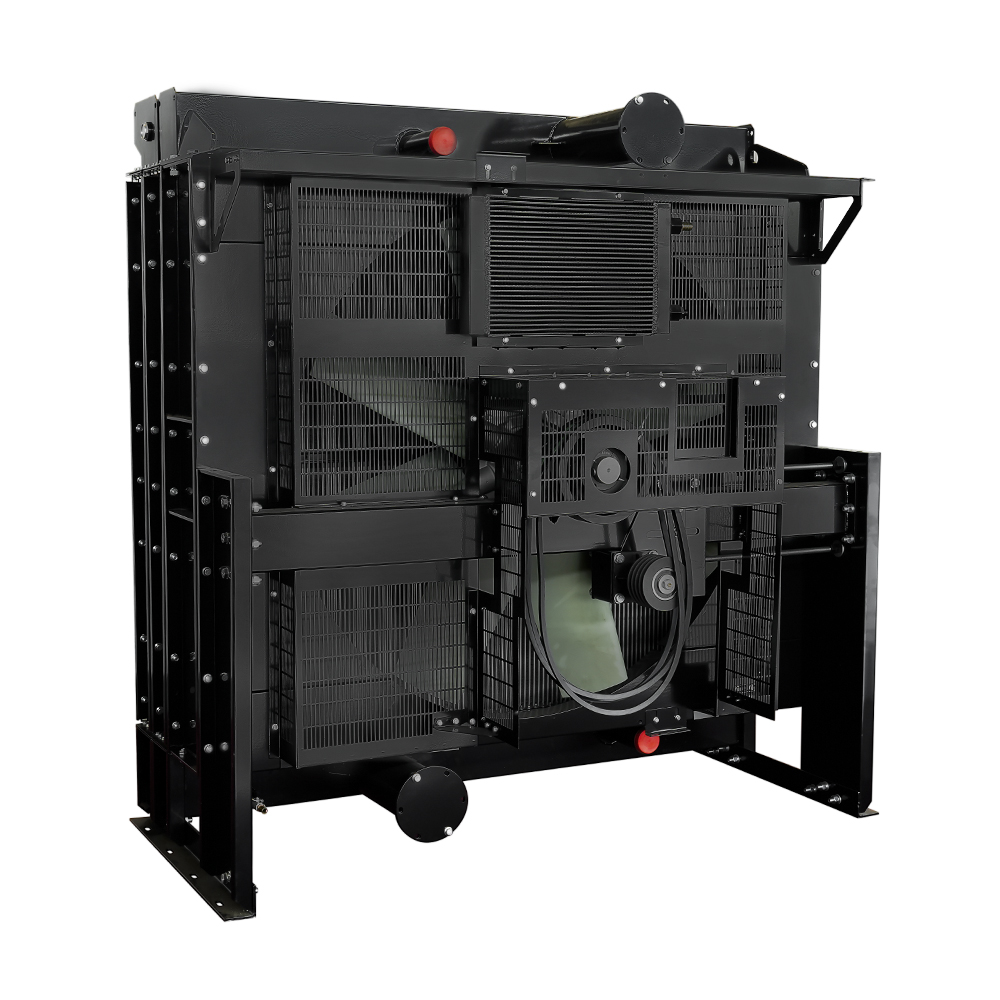

Standby Generator Radiators are specially designed cooling systems for emergency or backup generator sets that operate during power outages or grid failures. These radiators ensure quick heat dissipation when the generator starts, preventing overheating and allowing reliable performance during critical times. Built with high-strength aluminum or copper cores, they offer long-lasting durability and minimal maintenance needs. Applications include hospitals, data centers, telecommunications, and other facilities requiring uninterrupted power supply. Our standby radiators deliver efficient and consistent cooling, safeguarding your backup power system and giving you peace of mind during emergencies.
| Core Material | Aluminum / Copper for fast heat transfer during sudden load operation |
| Cooling Capacity | 20 kW – 1500 kW for standby gensets |
| Core Dimensions | 600–2000 mm (H) × 400–1600 mm (W) |
| Fin Structure | Tube-and-fin for quick cooldown |
| Operating Temperature Range | -20°C to +50°C |
| Pressure Rating | 2.5 bar |
| Surface Treatment | Corrosion-resistant paint for long-term storage and use |
| Mounting Options | OEM replacement or retrofit |
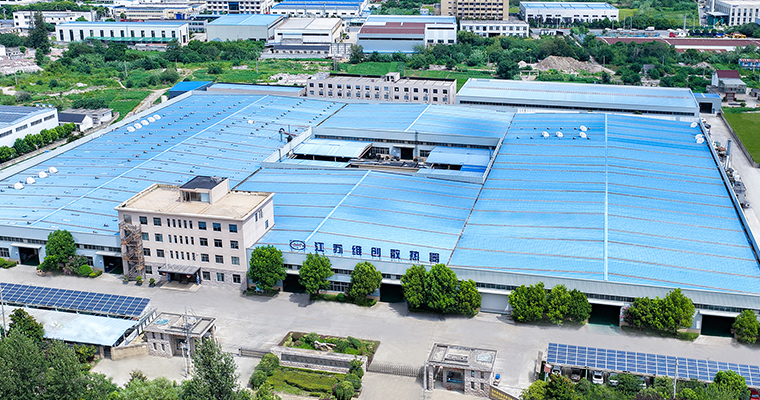
From our beginnings in generator set and radiator manufacturing in 2003, we've now expanded our business to over 30 countries with a workforce of more than 250 employees. As an established R&D and manufacturing enterprise for generator set radiators, OEM Emergency Standby Generator Radiators Manufacturers and Emergency Standby Generator Radiators Suppliers, operates two standardized production bases spanning over 60,000 square meters. With a technical team of 50+ core engineers, we have built a comprehensive industrial system covering R&D, production, and testing, achieving an annual production capacity of 150,000 units/sets. As Emergency Standby Generator Radiators Factory, Professional advanced sheet metal radiator manufacturing equipment to ensure the quality of the products, high efficiency and delivery guarantee.
News and Information
Emergency standby generator radiators operate under a very different thermal profile compared with prime-power systems. They are expected to remain idle for long periods, then suddenly accept full engine heat load within seconds. This rapid transition places stress on tube joints, headers, and fan assemblies. In real installations, insufficient warm-up circulation or delayed fan engagement can cause short-term temperature spikes that reduce gasket life and accelerate coolant oxidation.
From our own manufacturing and testing experience since 2003, we’ve learned that radiators designed for standby duty benefit from reinforced inlet headers and slightly higher coolant reserve volume. Serving customers across more than 30 countries has shown us that fast-response cooling is not just about core size—it’s about how the entire system reacts in the first few minutes after startup.
In emergency power facilities, radiator placement often competes with space constraints, fire-rated walls, and acoustic treatments. Remote or semi-remote radiator layouts are common, but even skid-mounted units require careful airflow planning. A frequent practical mistake is allowing hot discharge air to loop back into the intake path, especially in compact generator rooms or rooftop enclosures.
Across projects supported by our 250+ person team, we consistently recommend dedicated air ducts or discharge plenums when radiators are installed indoors. Personally, I’ve seen temperature reductions of over 8°C simply by separating intake and exhaust airflow paths—small changes that significantly improve standby reliability.
Emergency standby generator radiators face intermittent operation: long idle periods followed by sudden thermal cycling. This pattern favors materials that tolerate expansion and contraction without fatigue. Aluminum cores perform well in humid environments due to corrosion resistance, while copper-brass cores still dominate in heavy-duty facilities where maximum heat transfer is required.
Having evolved from a small generator radiator workshop into a global manufacturer since 2003, we’ve learned that material choice should reflect not only climate but also maintenance capability. In several hospital and data-center projects, we advised thicker tube walls to handle infrequent yet intense load events—an approach that has paid off in long-term stability.
| Core Type | Typical Standby Site | Primary Benefit |
| Copper-Brass | Hospitals, airports | High thermal efficiency |
| Aluminum | Commercial buildings | Lightweight, corrosion resistant |
Modern emergency standby systems increasingly integrate radiator fans with generator controllers. Temperature-based fan staging and variable-frequency drives allow radiators to ramp up airflow only when needed, minimizing noise while ensuring fast heat rejection during sudden load acceptance. In blackout scenarios, this responsiveness can be the difference between stable operation and nuisance alarms.
Working with clients worldwide, we’ve seen how simple sensor placement improvements—such as locating probes closer to engine outlets—produce more accurate fan control. From our perspective as a supplier to global backup power projects, these small engineering details often deliver outsized reliability gains.
Because emergency generators may only run during testing or outages, radiator issues often remain hidden until a real emergency occurs. Dust accumulation on fins, stagnant coolant, and aged hoses are common risks. Practical maintenance planning includes quarterly visual inspections, annual coolant analysis, and periodic load-bank testing to verify actual heat rejection capacity.
With a workforce exceeding 250 employees supporting manufacturing and after-sales service, we always encourage operators to treat radiator upkeep as part of critical infrastructure management. From my own experience supporting international projects, consistent cleaning schedules and spare fan motors on site do more to protect uptime than any single component upgrade—principles that align closely with the core values that have guided our growth into more than 30 markets worldwide.



 English
  русский
  Français
  Indonesia
  عربى
عربى  中文简体
中文简体