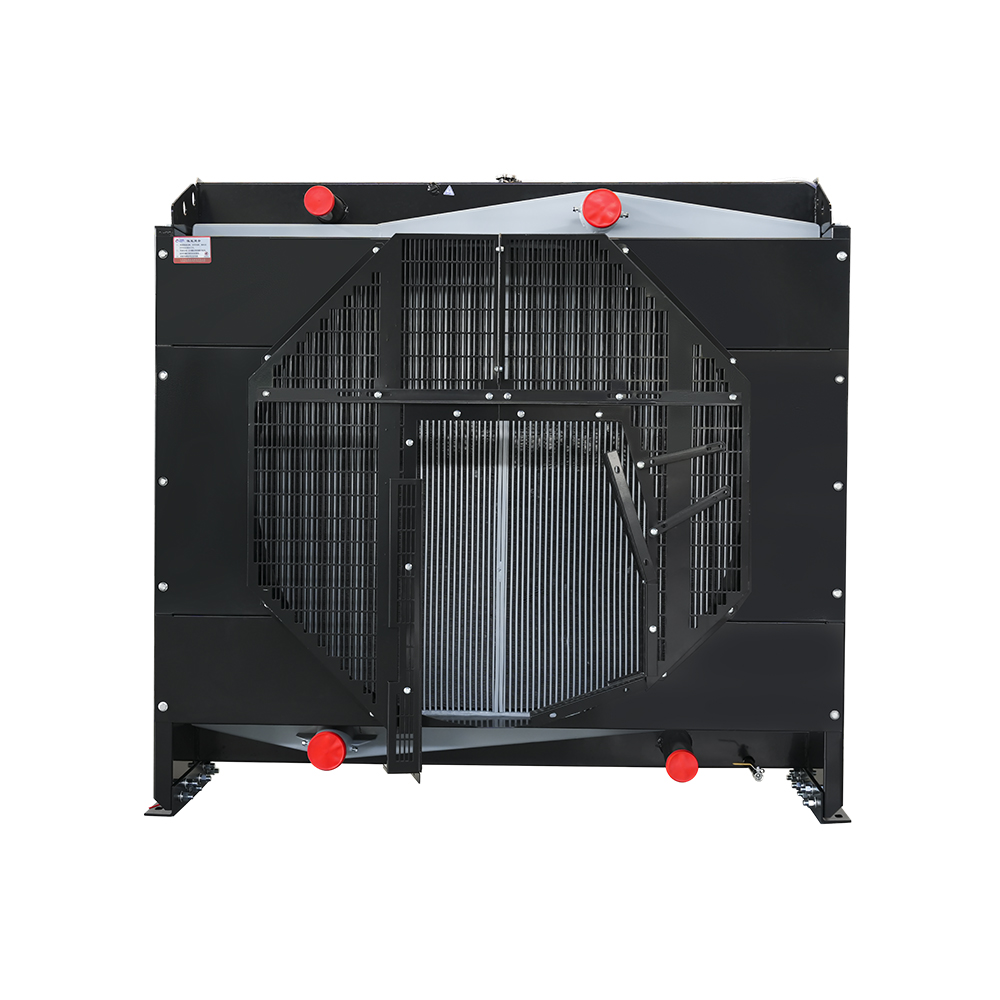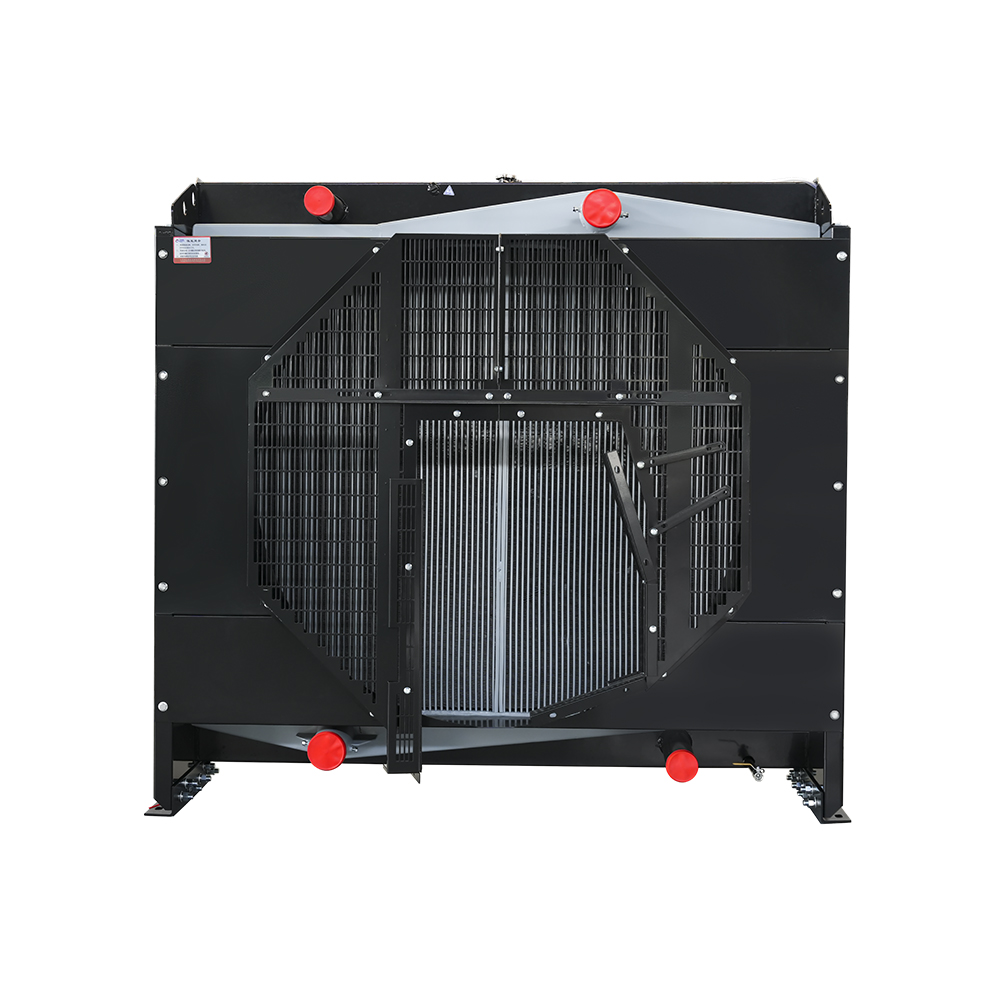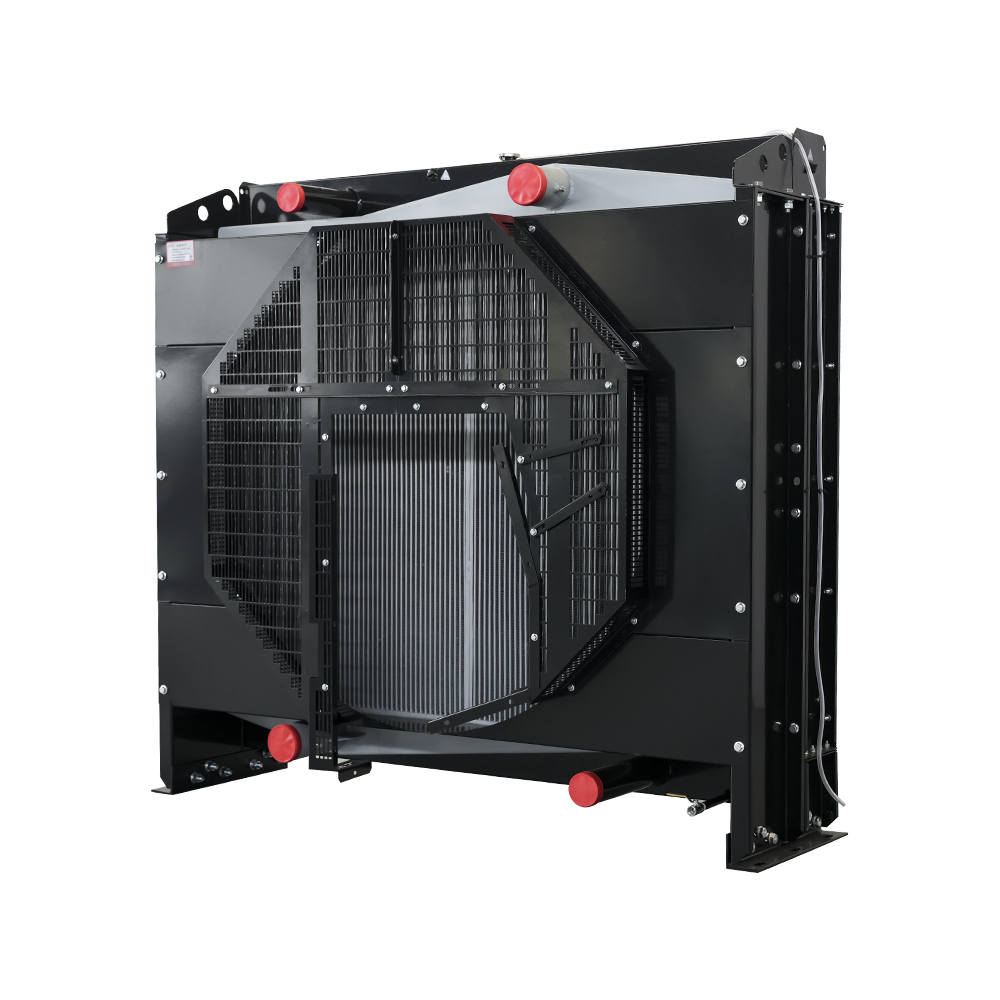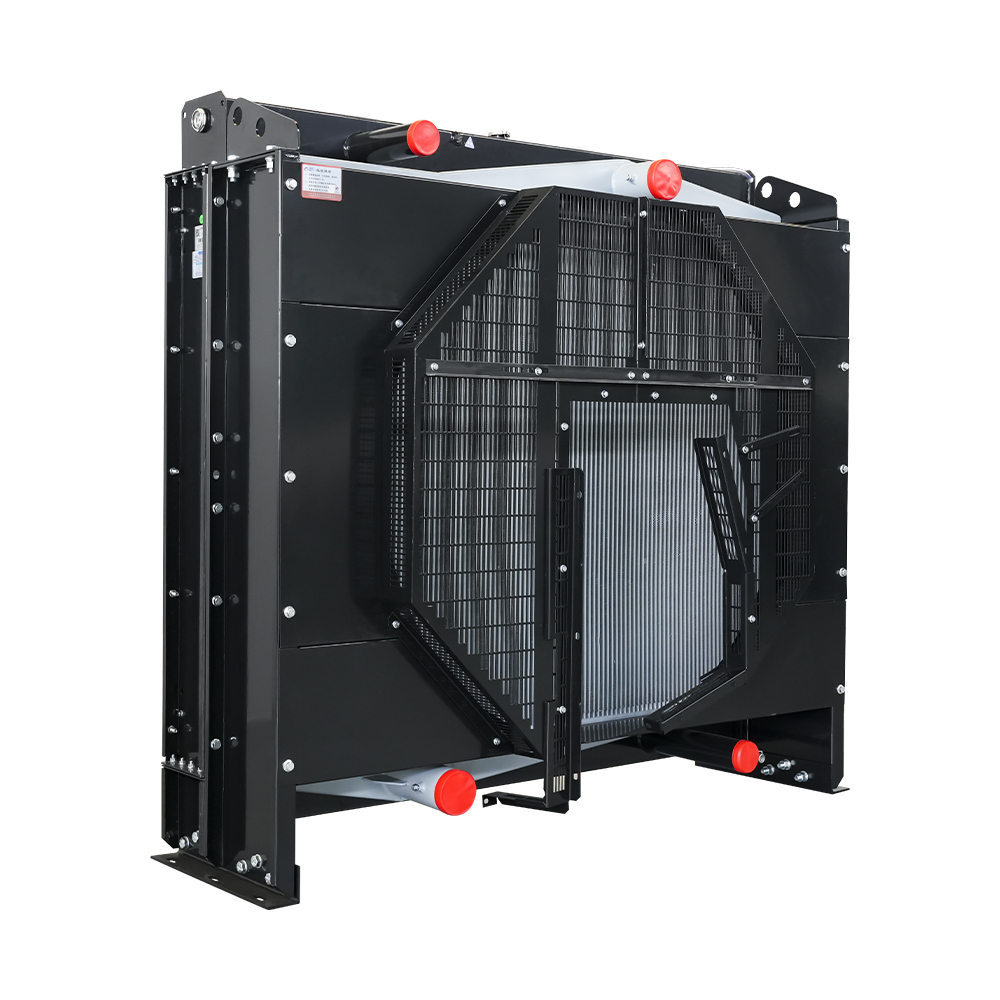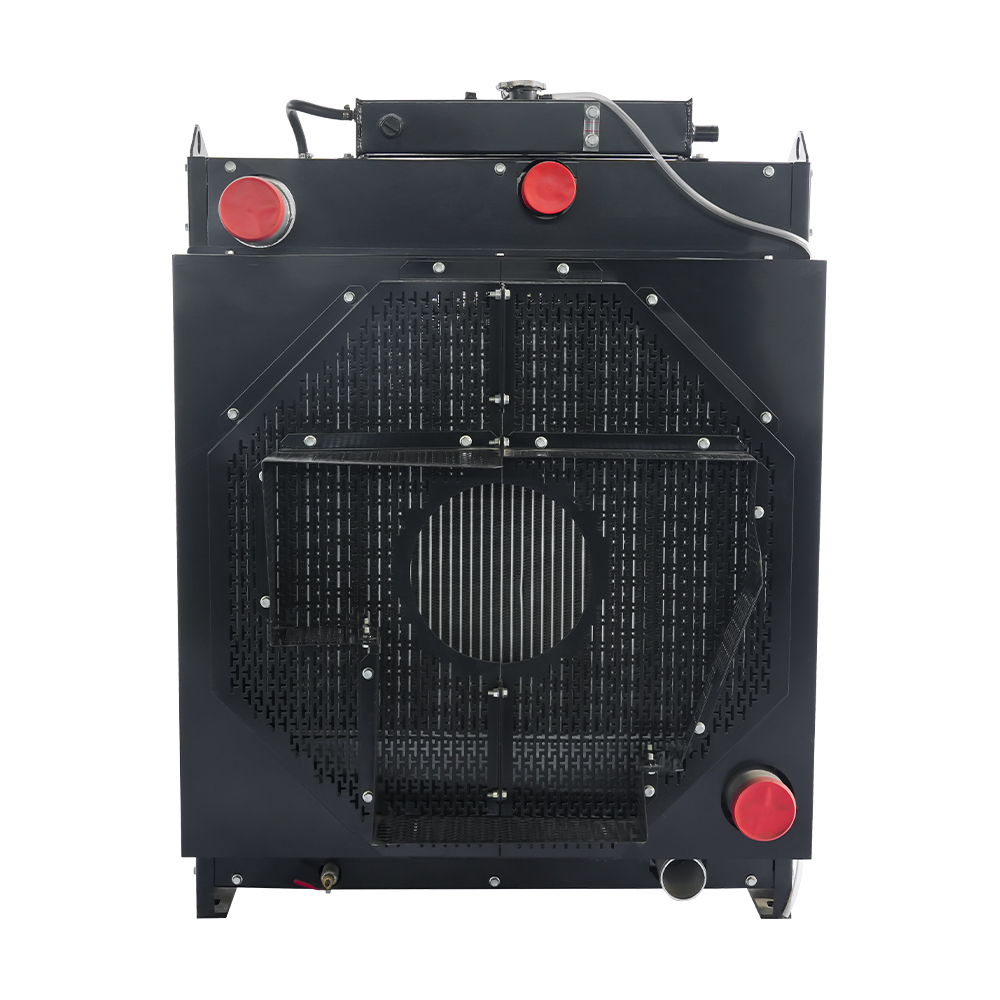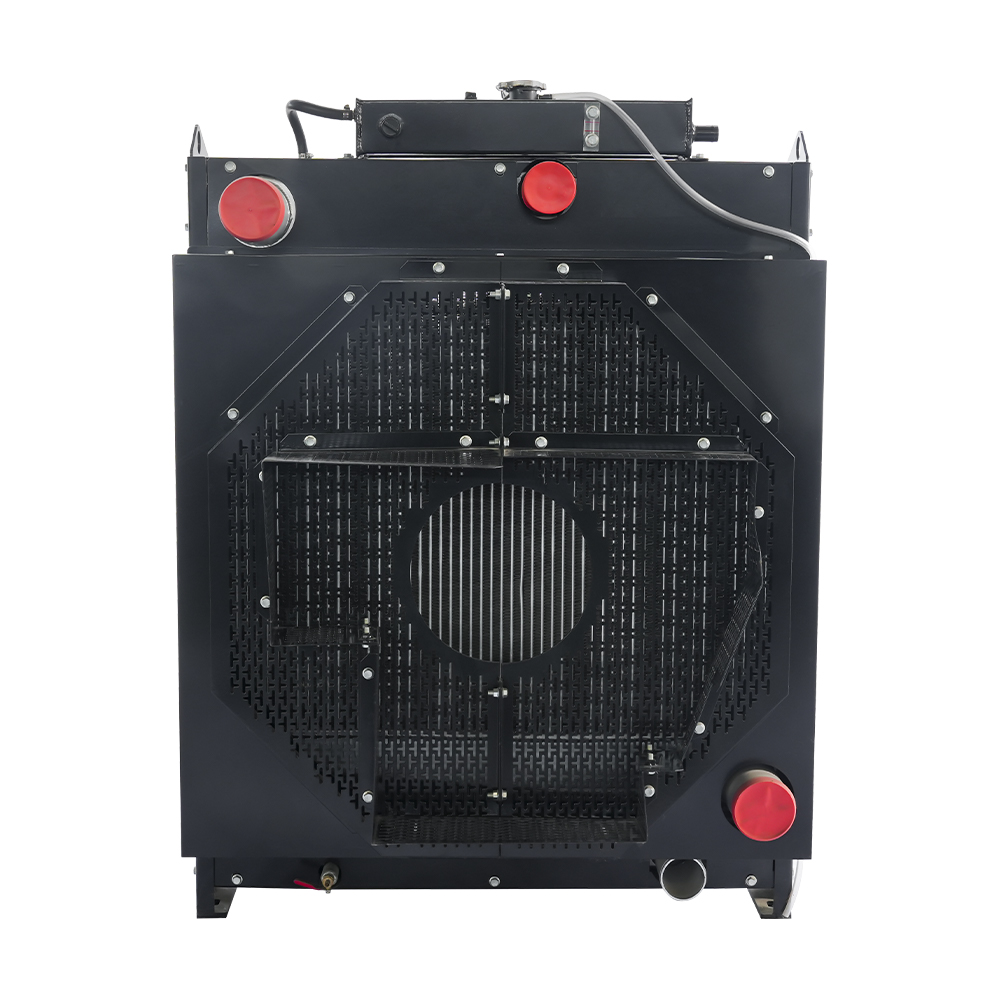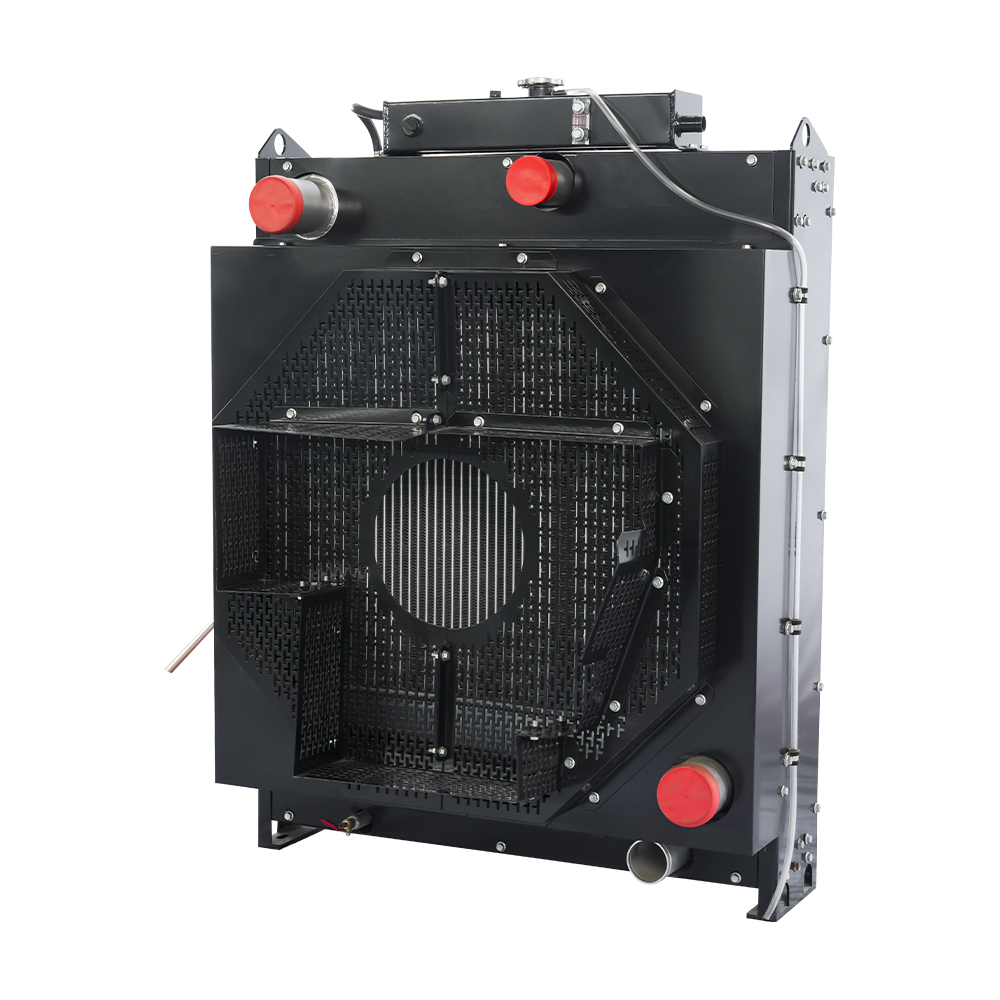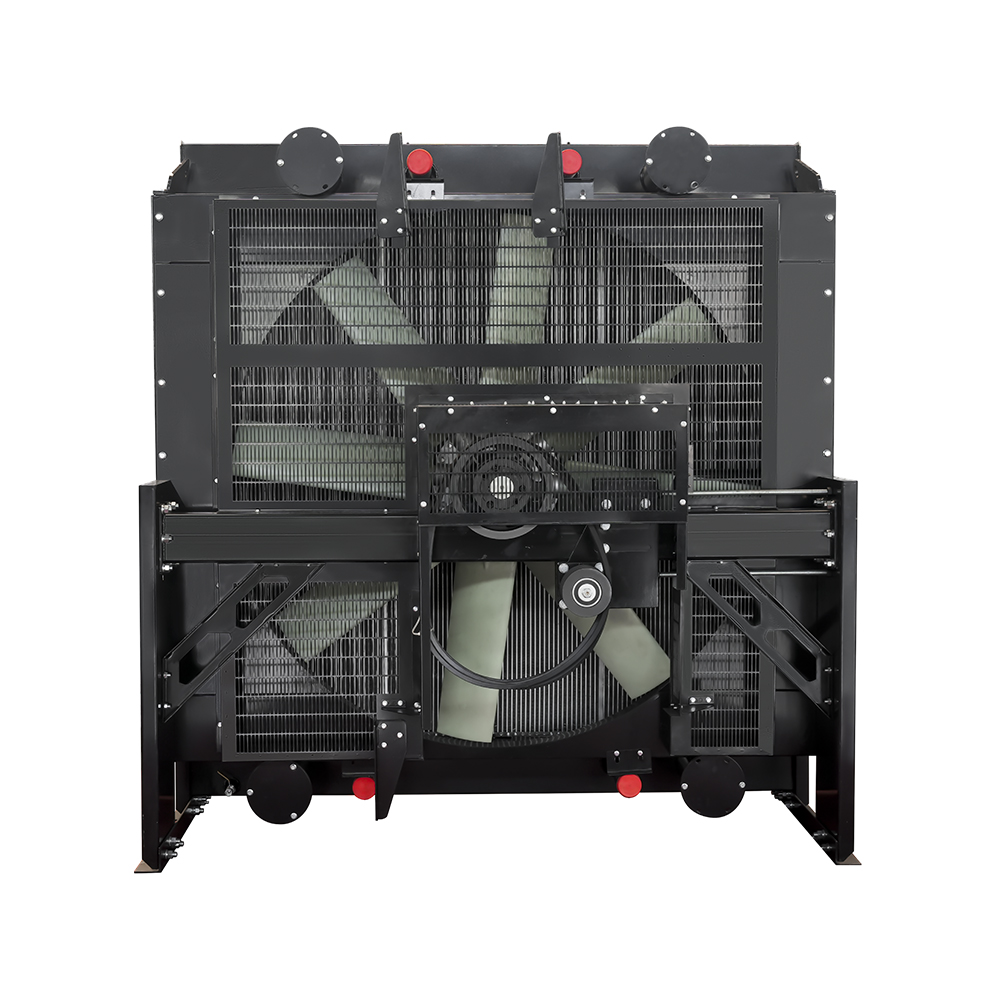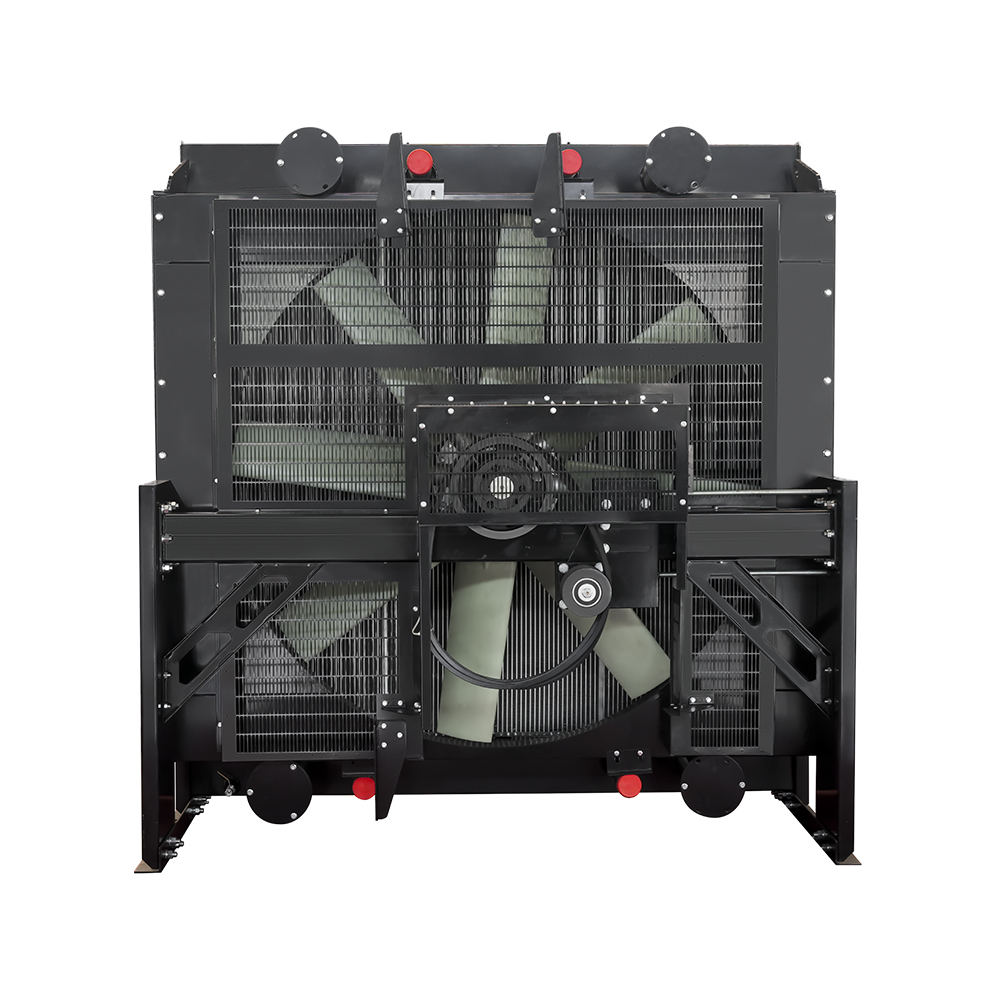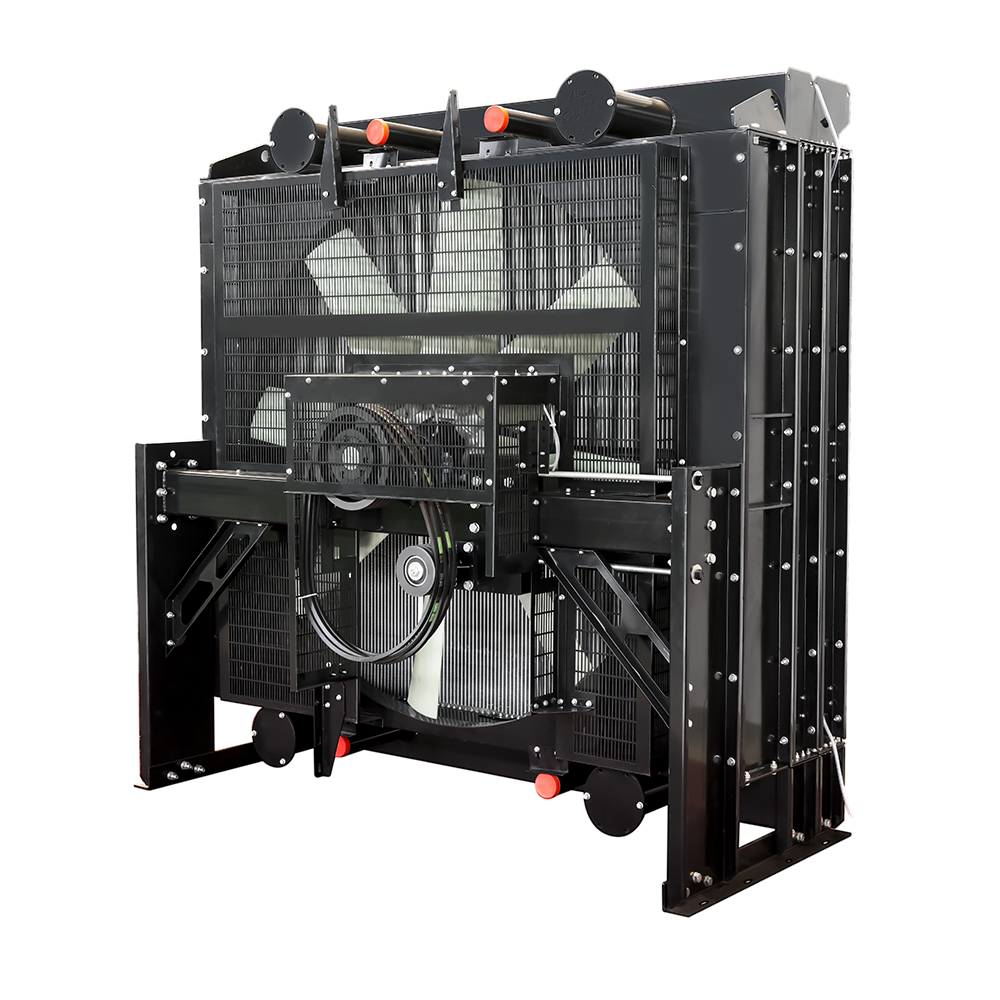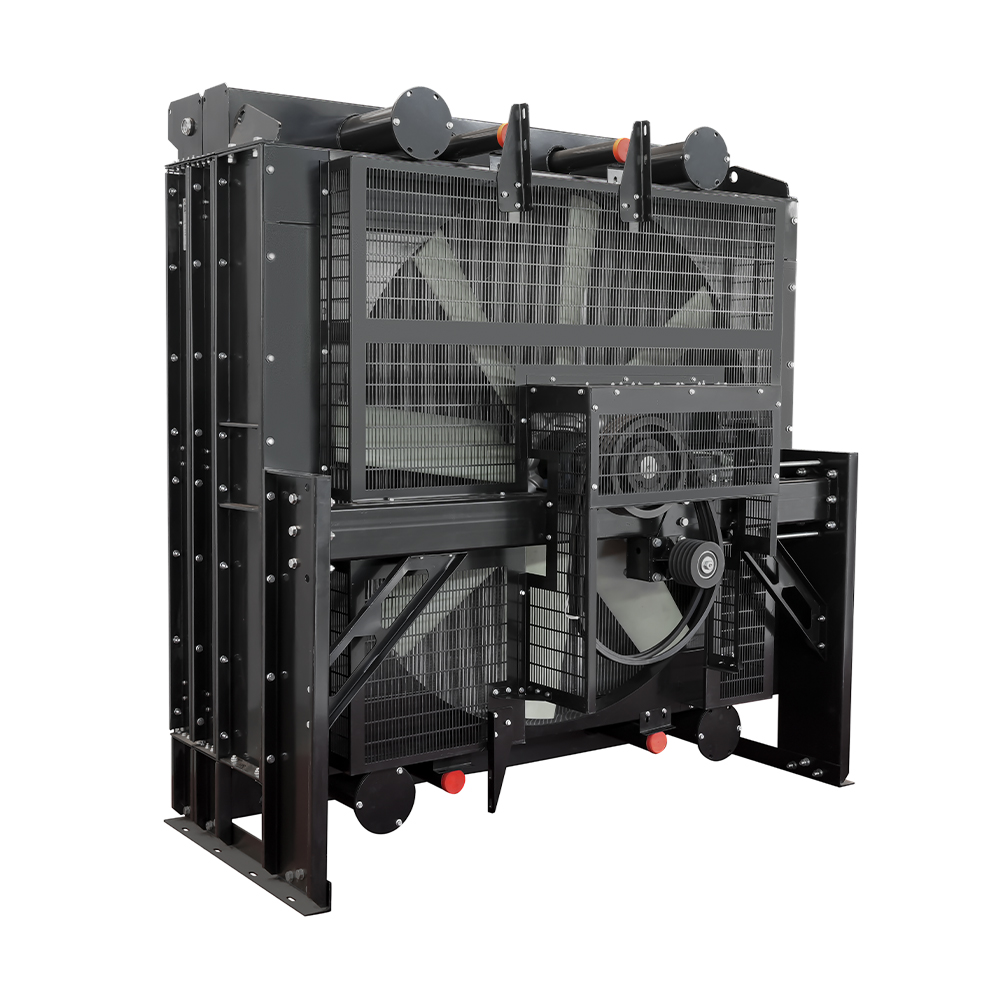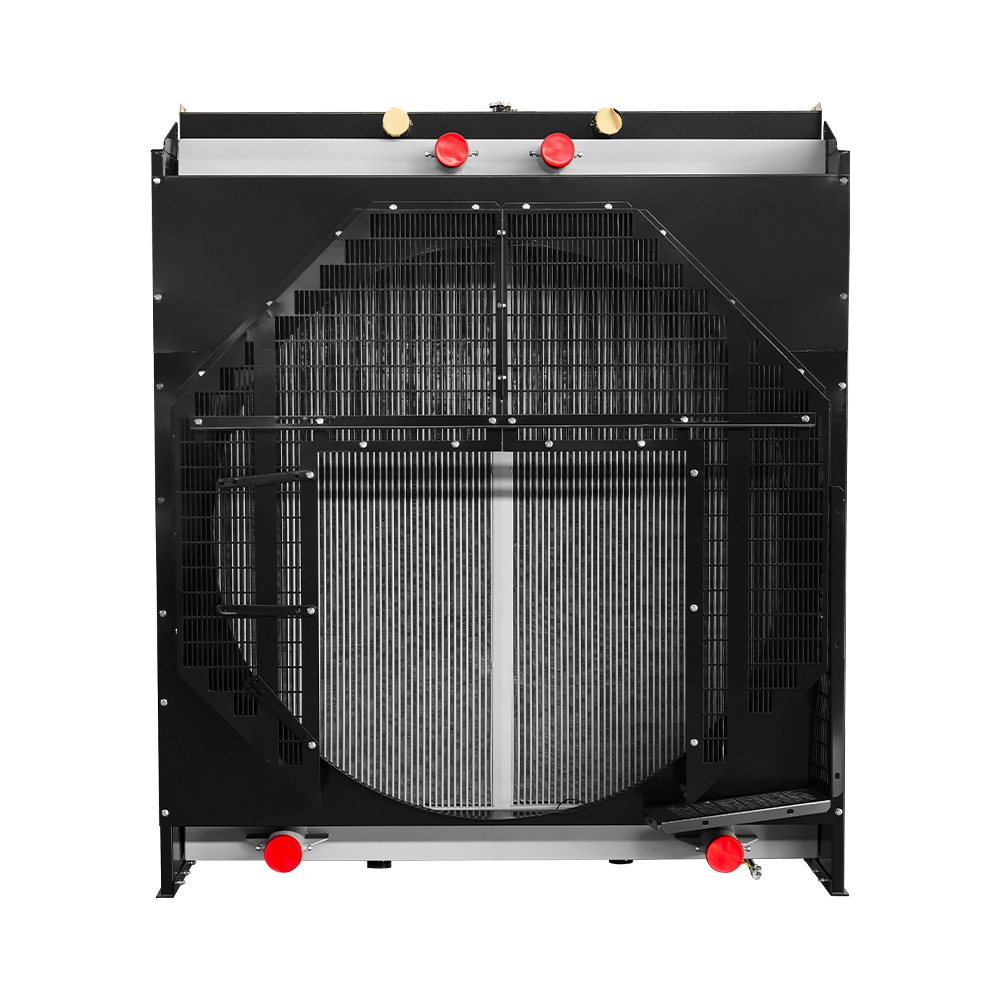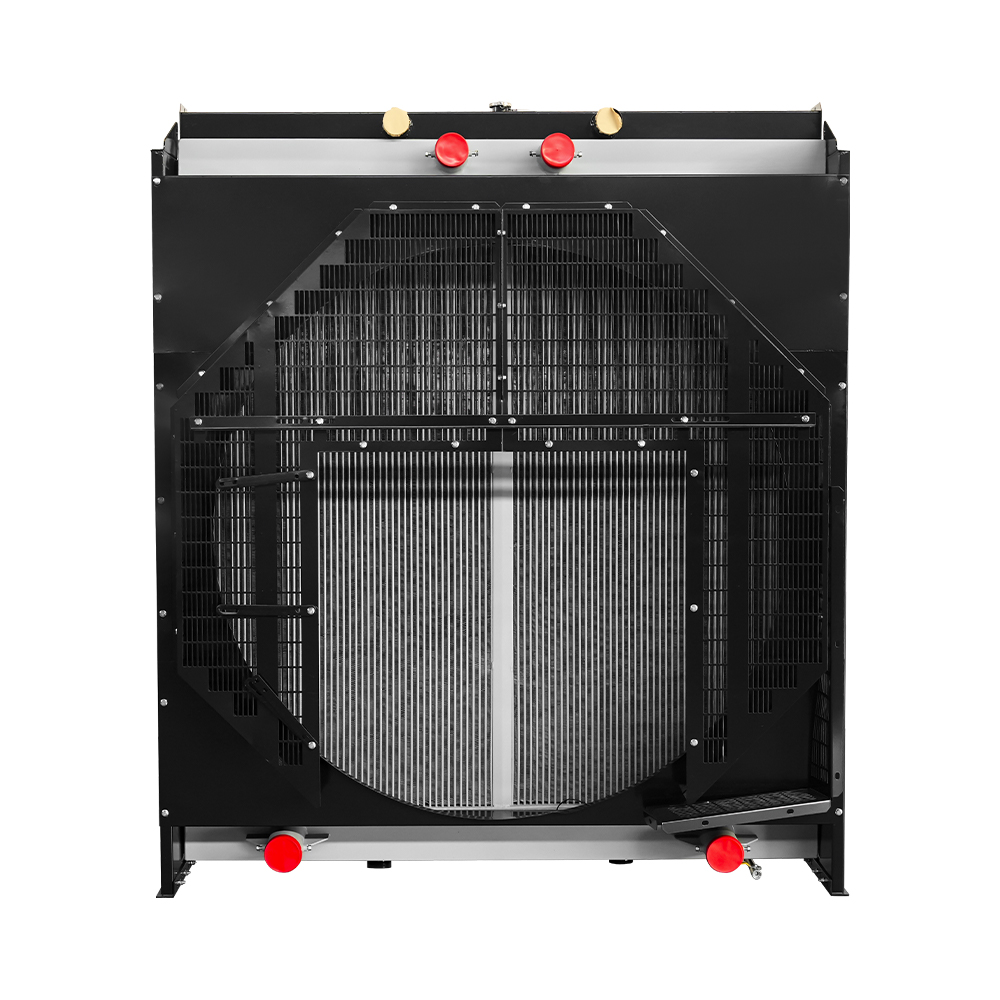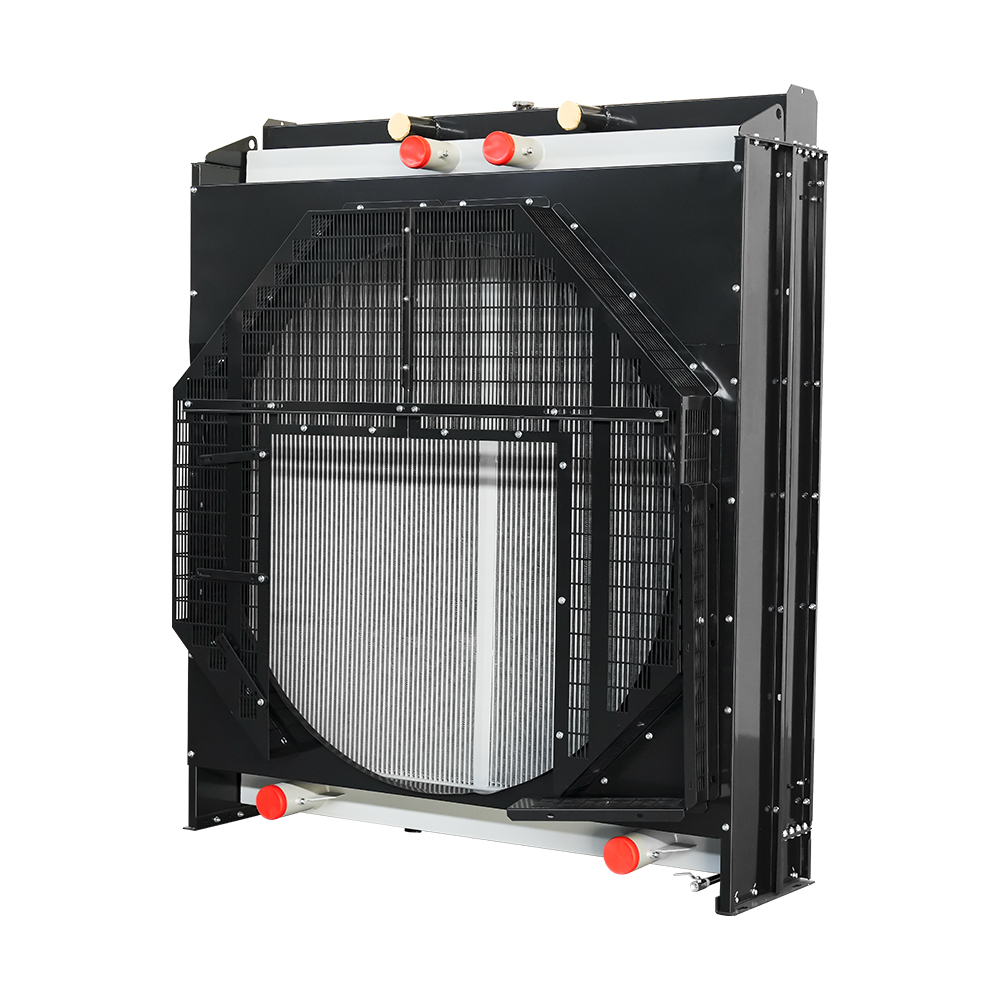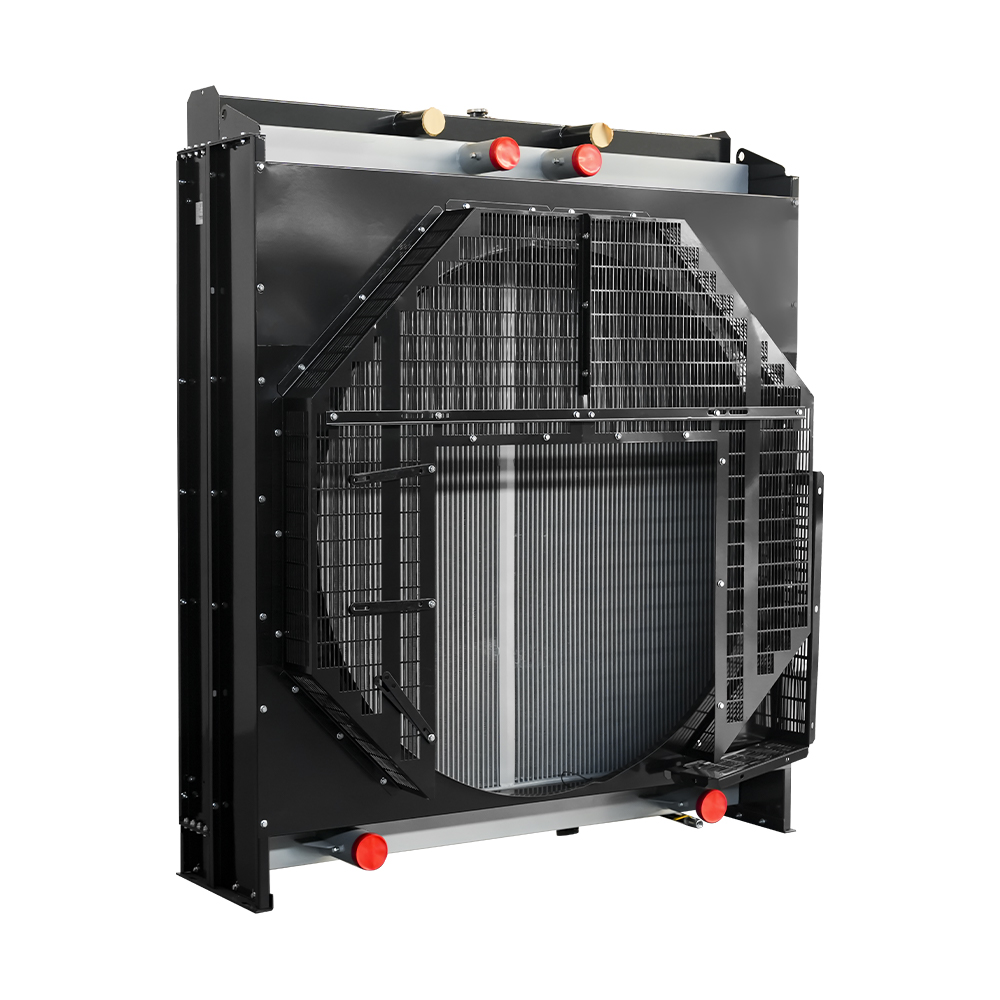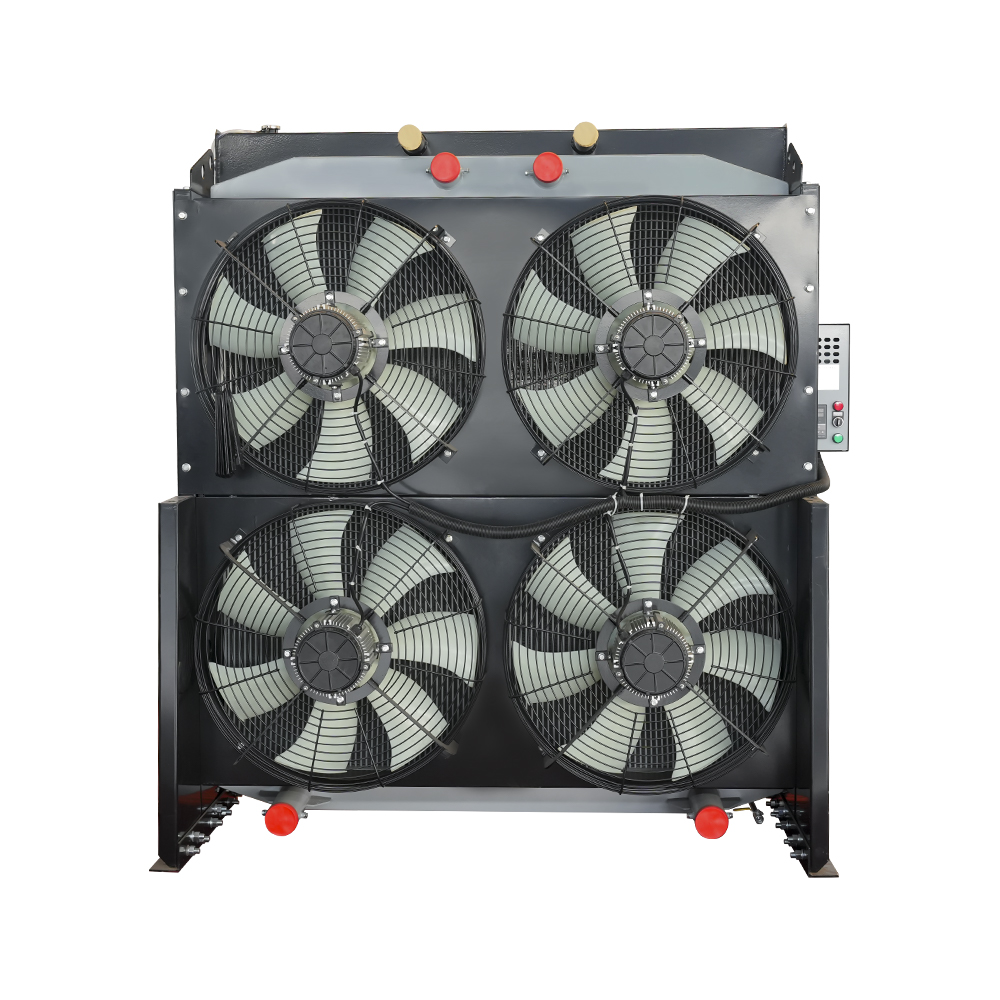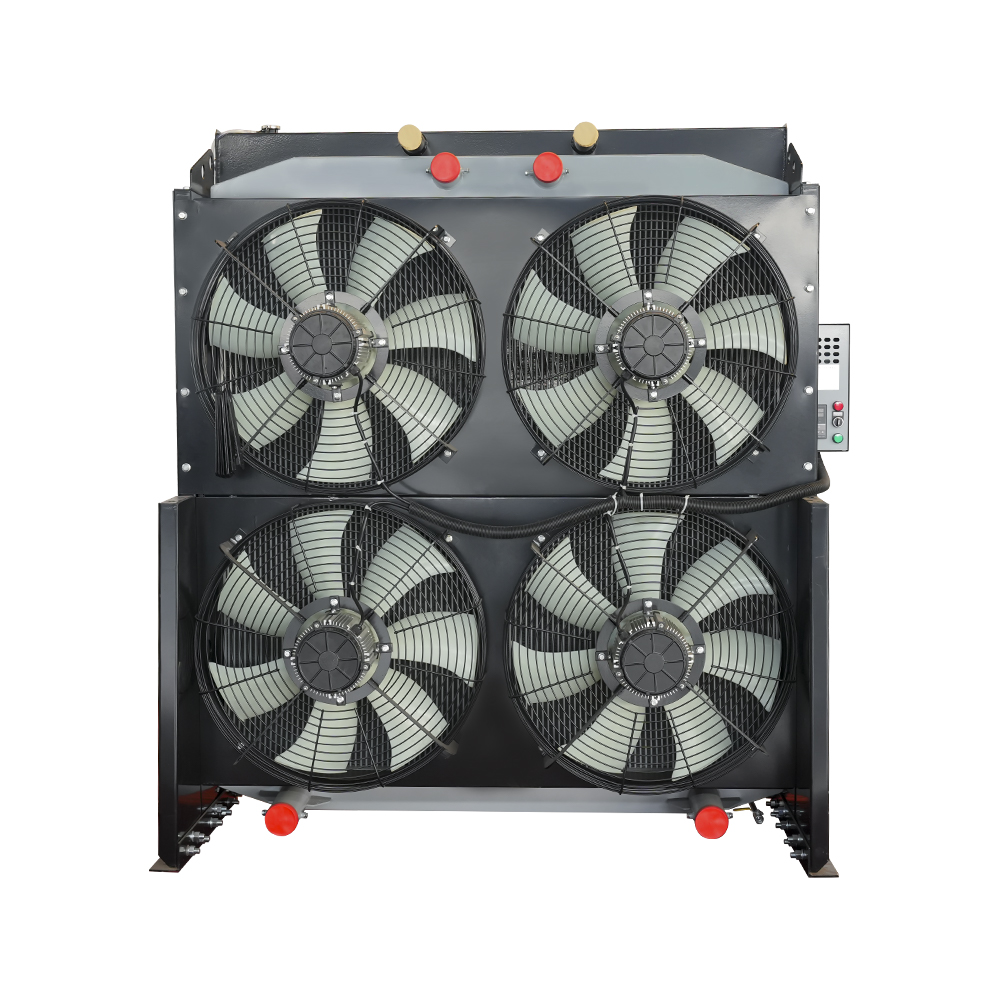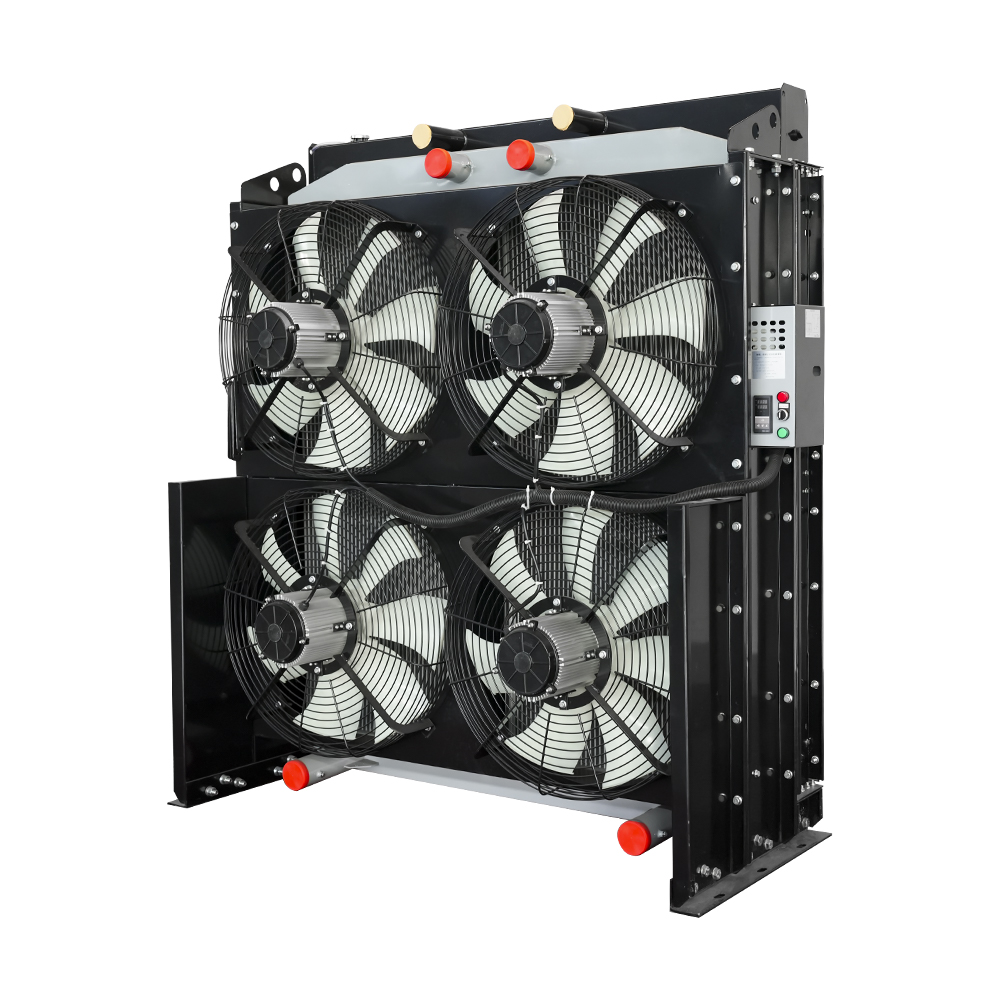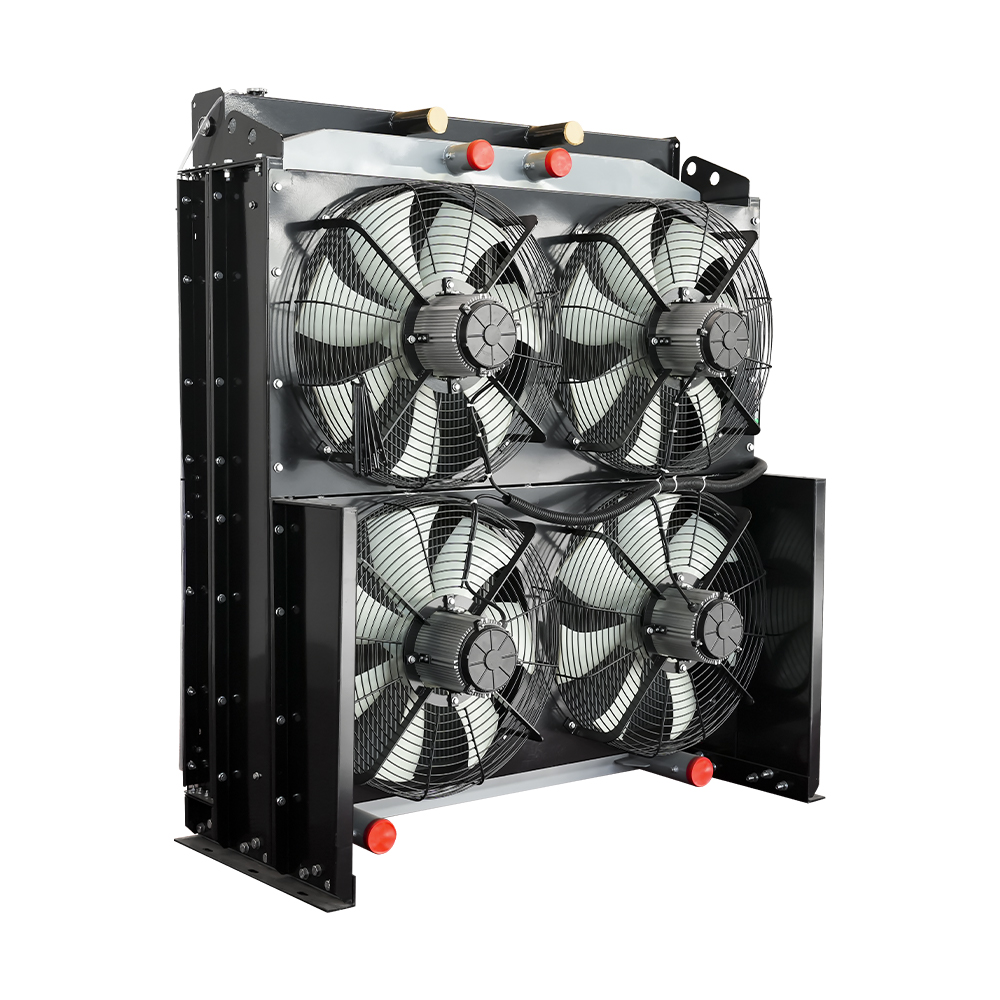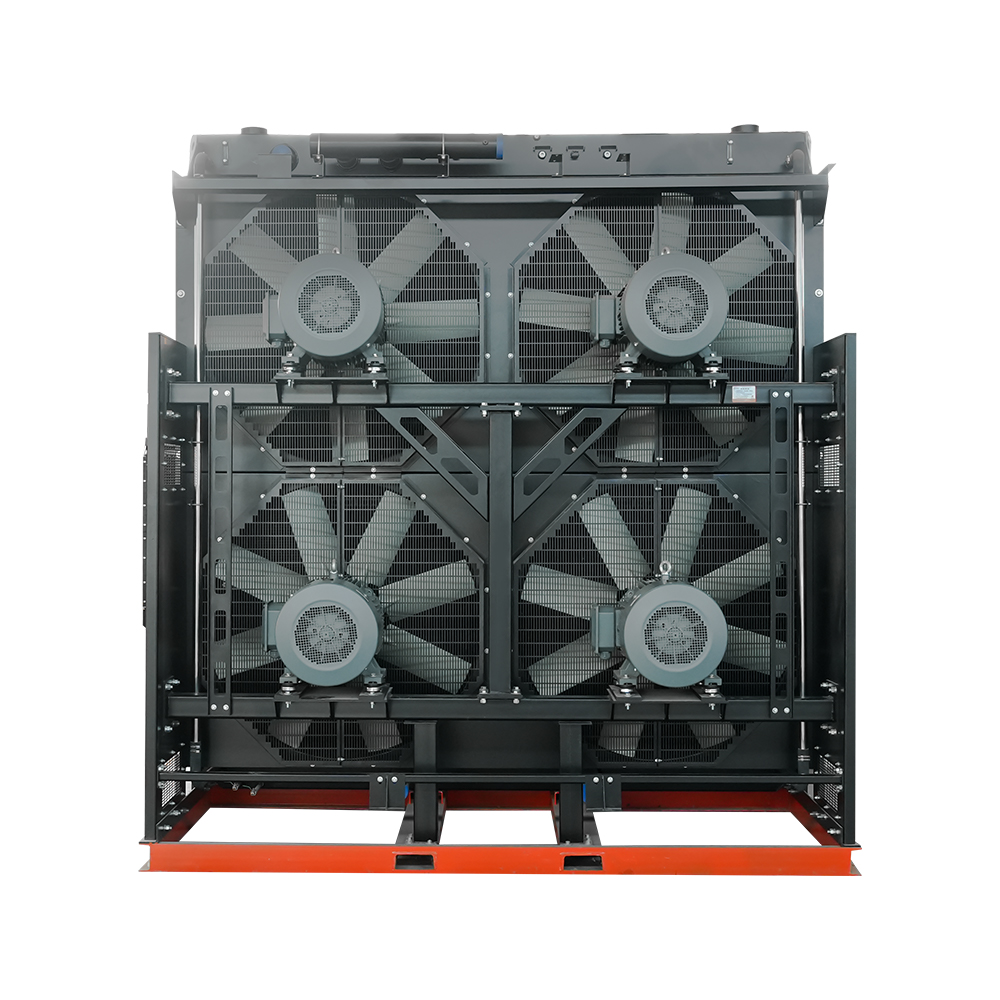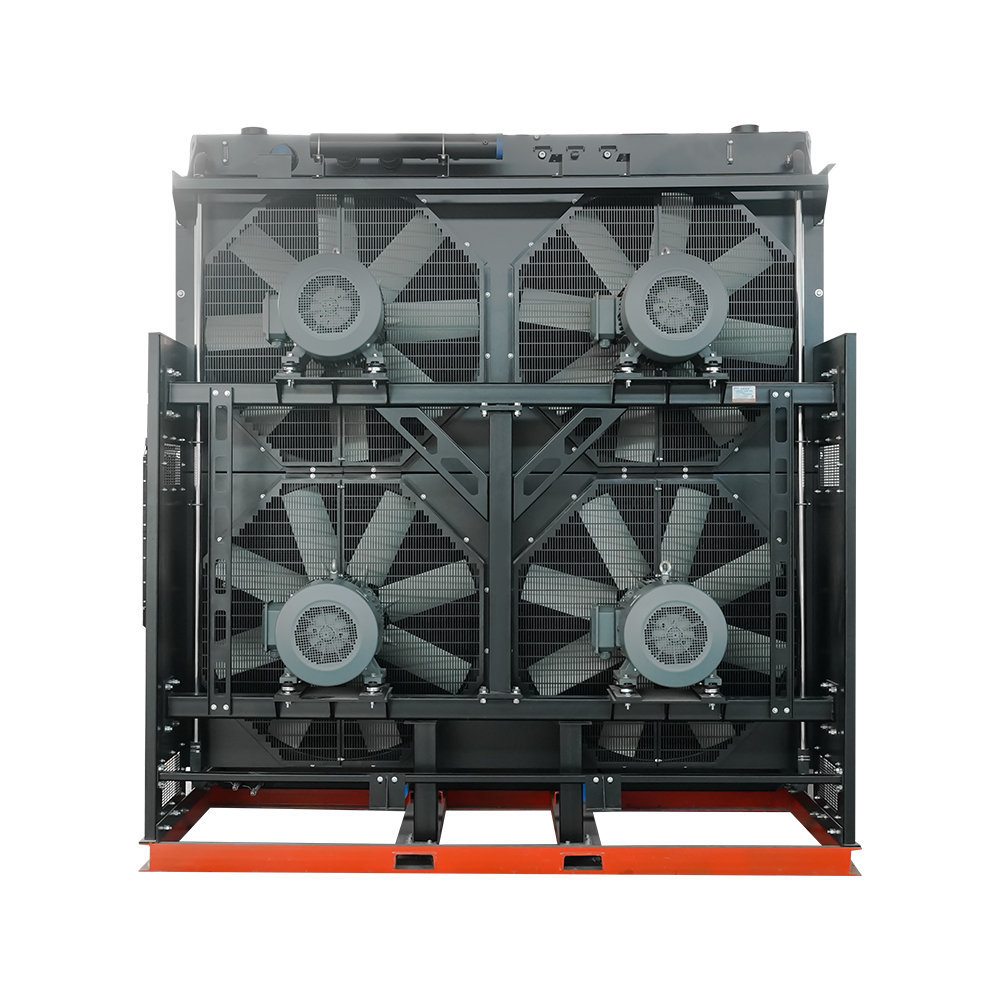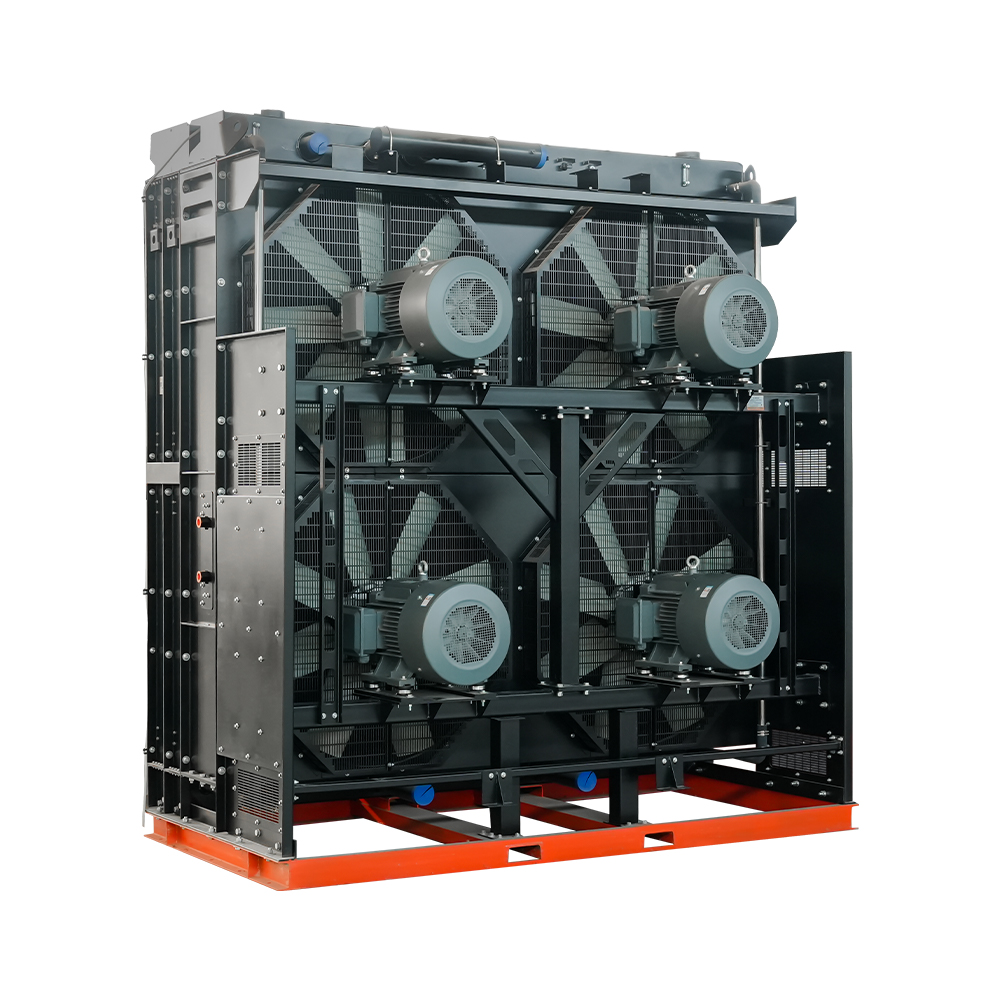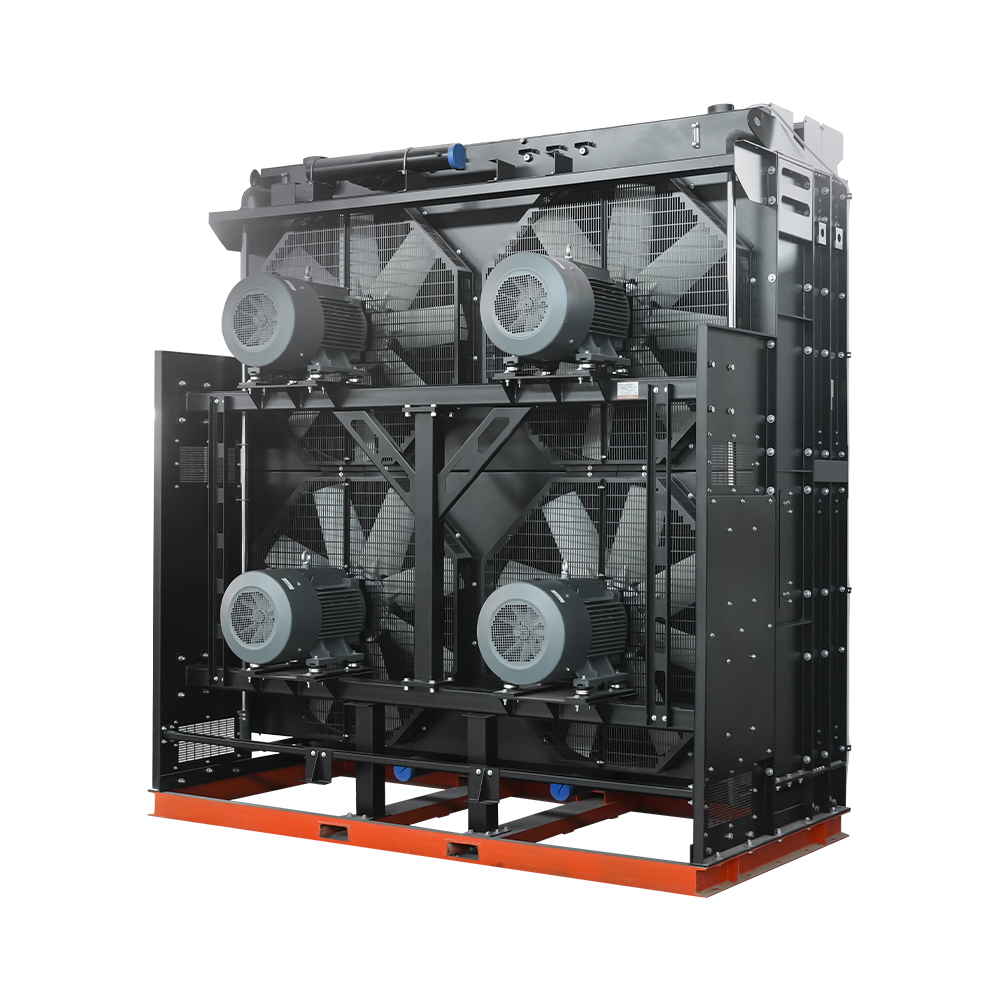

Built to operate reliably in remote coastal and high-wind environments, these radiators offer compact designs, corrosion resistance, and energy-efficient cooling. They keep lighthouse power systems running smoothly, ensuring uninterrupted navigation lighting and safety systems.
| Core Material | Copper / Marine-grade Aluminum |
| Cooling Capacity | 20 kW – 1000 kW |
| Core Dimensions | Custom-fit for compact generator rooms |
| Fin Structure | Anti-corrosion plate-and-fin |
| Operating Temperature Range | -20°C to +50°C |
| Pressure Rating | 2.5–3.0 bar |
| Surface Treatment | Salt-resistant epoxy coating |
| Mounting Options | OEM or retrofit for lighthouse gensets |
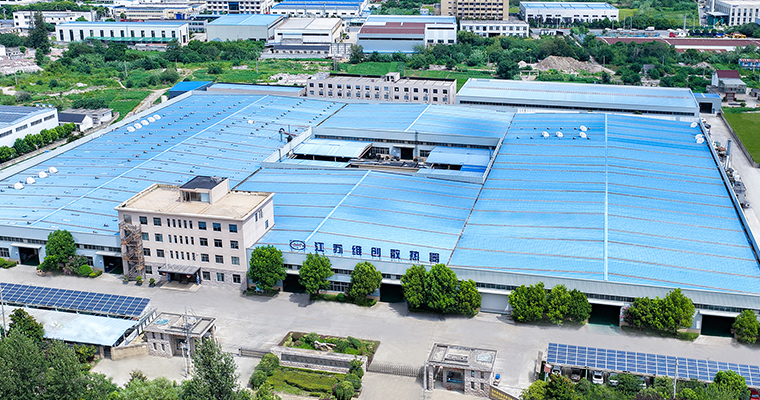
From our beginnings in generator set and radiator manufacturing in 2003, we've now expanded our business to over 30 countries with a workforce of more than 250 employees. As an established R&D and manufacturing enterprise for generator set radiators, OEM Lighthouse Generator Radiators Manufacturers and Lighthouse Generator Radiators Suppliers, operates two standardized production bases spanning over 60,000 square meters. With a technical team of 50+ core engineers, we have built a comprehensive industrial system covering R&D, production, and testing, achieving an annual production capacity of 150,000 units/sets. As Lighthouse Generator Radiators Factory, Professional advanced sheet metal radiator manufacturing equipment to ensure the quality of the products, high efficiency and delivery guarantee.
News and Information
Industry Knowledge
Lighthouse generator radiators operate in one of the most aggressive environments: continuous salt spray combined with high humidity. Chloride ions penetrate coatings quickly, accelerating galvanic corrosion on tube joints, fins, and steel frames. In coastal deployments, unprotected cores can show visible oxidation within months, especially around brazed seams and mounting points.
Since we started radiator manufacturing back in 2003, I’ve personally seen how multi-layer anti-corrosion treatments—such as epoxy primers plus marine-grade topcoats—can extend service intervals dramatically. As we’ve grown to serve more than 30 countries, this hard-earned experience has shaped how we specify materials for lighthouse projects.
Many lighthouse generators run for extended periods without on-site personnel, which places a premium on thermal stability. Radiators must handle steady electrical loads while coping with fluctuating coastal temperatures and wind patterns. Oversizing the heat exchange surface and maintaining consistent airflow across the core helps avoid temperature spikes during calm, humid nights.
With a team of over 250 employees supporting design and production, we often configure lighthouse radiators with extra thermal margin and redundant fan options. From my perspective, building in this buffer is essential for remote stations where manual intervention may be delayed by weather or sea conditions.
Lighthouses are typically positioned on elevated or open coastal terrain, where radiators face strong, gusty winds. These forces can induce vibration in mounting frames and airflow shrouds, gradually loosening fasteners or stressing weld points. Reinforced frames and vibration-damping mounts help maintain alignment between the fan and core over long service periods.
Having expanded from a small workshop into a global manufacturer, we’ve learned that coastal wind loads deserve the same engineering attention as thermal performance. In several lighthouse projects I’ve supported, upgraded brackets and cross-bracing prevented premature fatigue failures.
| Design Element | Coastal Practice | Operational Benefit |
| Mounting Frame | Reinforced steel or aluminum | Improved wind resistance |
| Fasteners | Stainless or treated bolts | Reduced corrosion risk |
Although lighthouses are often remote, excessive generator noise can still affect nearby harbors or coastal communities. Radiator fan selection plays a major role here. Lower-speed, larger-diameter fans typically move the same air volume with less acoustic impact, while optimized shroud geometry minimizes turbulent airflow.
From our early days in 2003 to supplying systems worldwide today, we’ve continued refining fan and shroud designs to balance cooling and noise. I’ve found that even small aerodynamic improvements can noticeably reduce sound levels without sacrificing thermal performance.
Access to lighthouse sites is often limited by tides, weather, or vessel availability, making routine maintenance challenging. Lighthouse generator radiators designed with front-access cleaning panels, modular fan units, and clearly marked drain points simplify service during short maintenance windows. Keeping spare hoses, belts, and coolant on site further reduces downtime risk.
Supported by our international footprint across more than 30 countries, we always encourage lighthouse operators to prioritize preventive care. In my experience, these practical measures—combined with robust radiator design—are what truly safeguard continuous navigation lighting, reflecting the innovative spirit and core values that have guided Jiangsu Weichuang Radiator Manufacturing Co., Ltd. since its founding.



 English
  русский
  Français
  Indonesia
  عربى
عربى  中文简体
中文简体