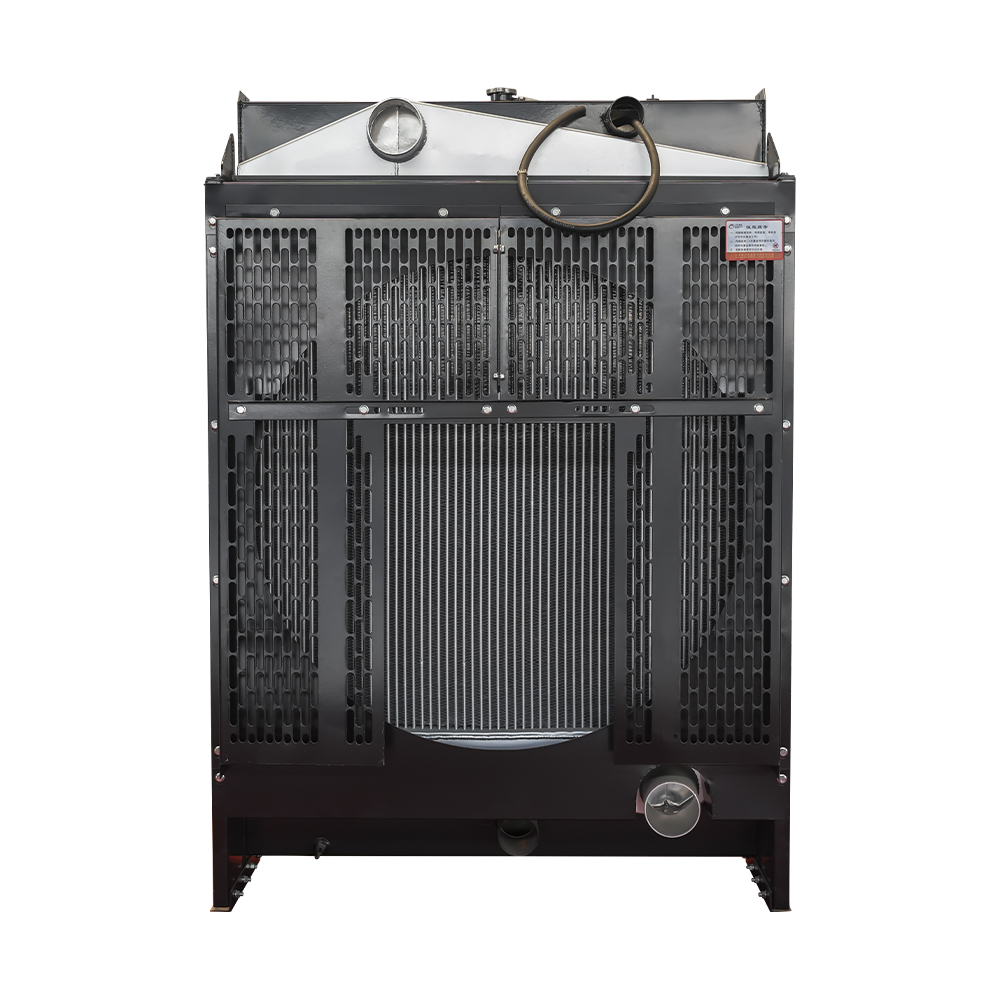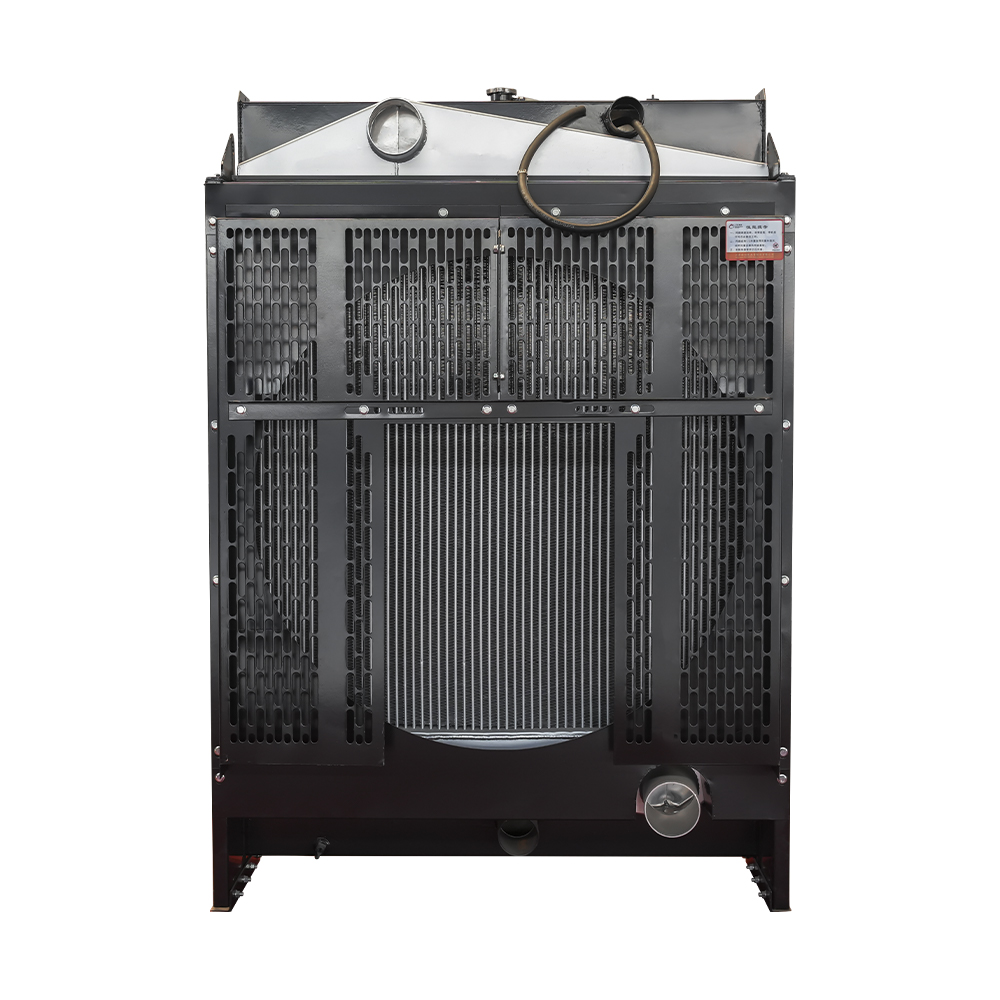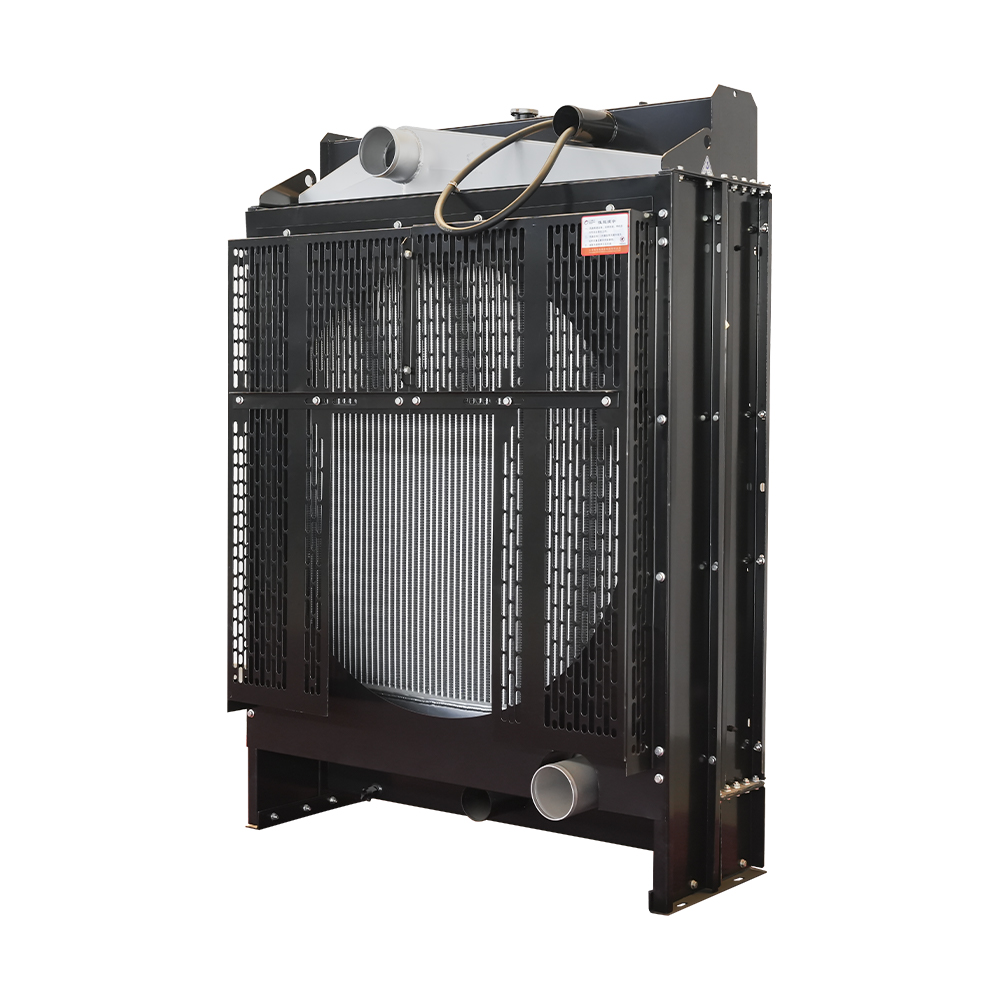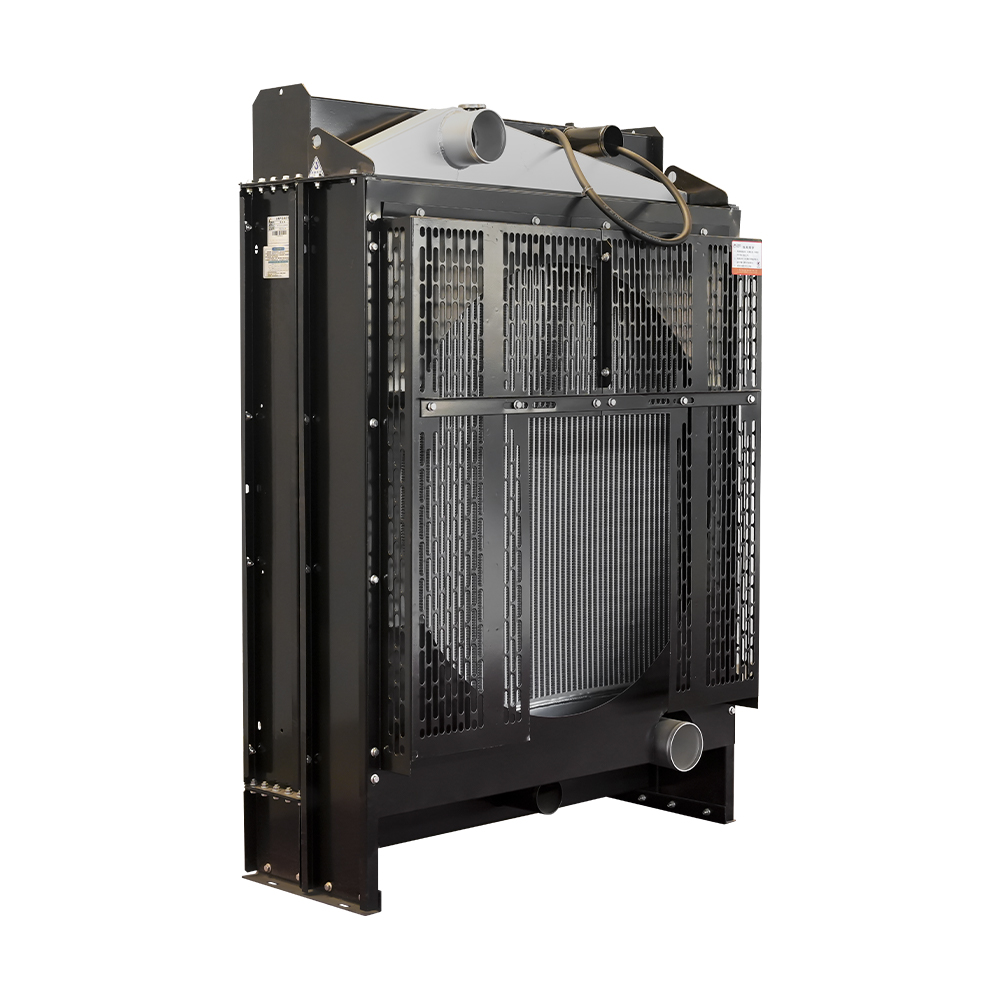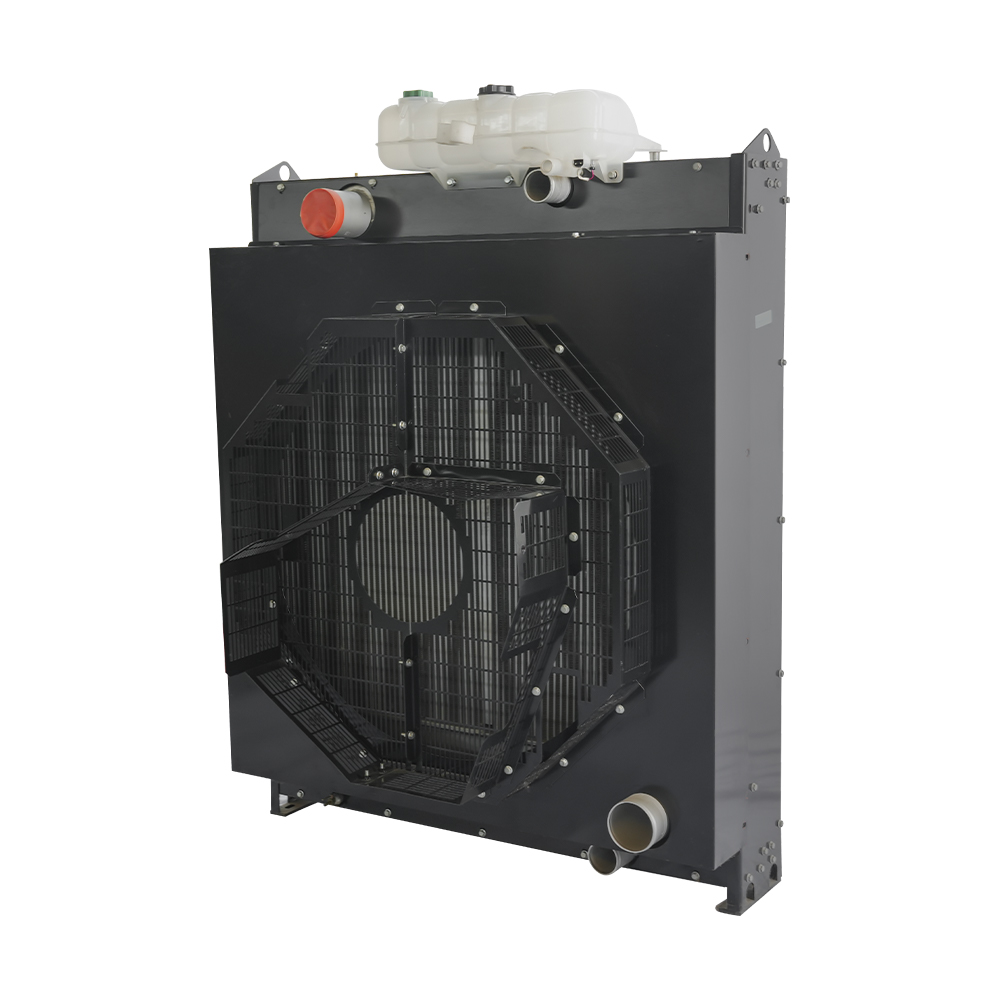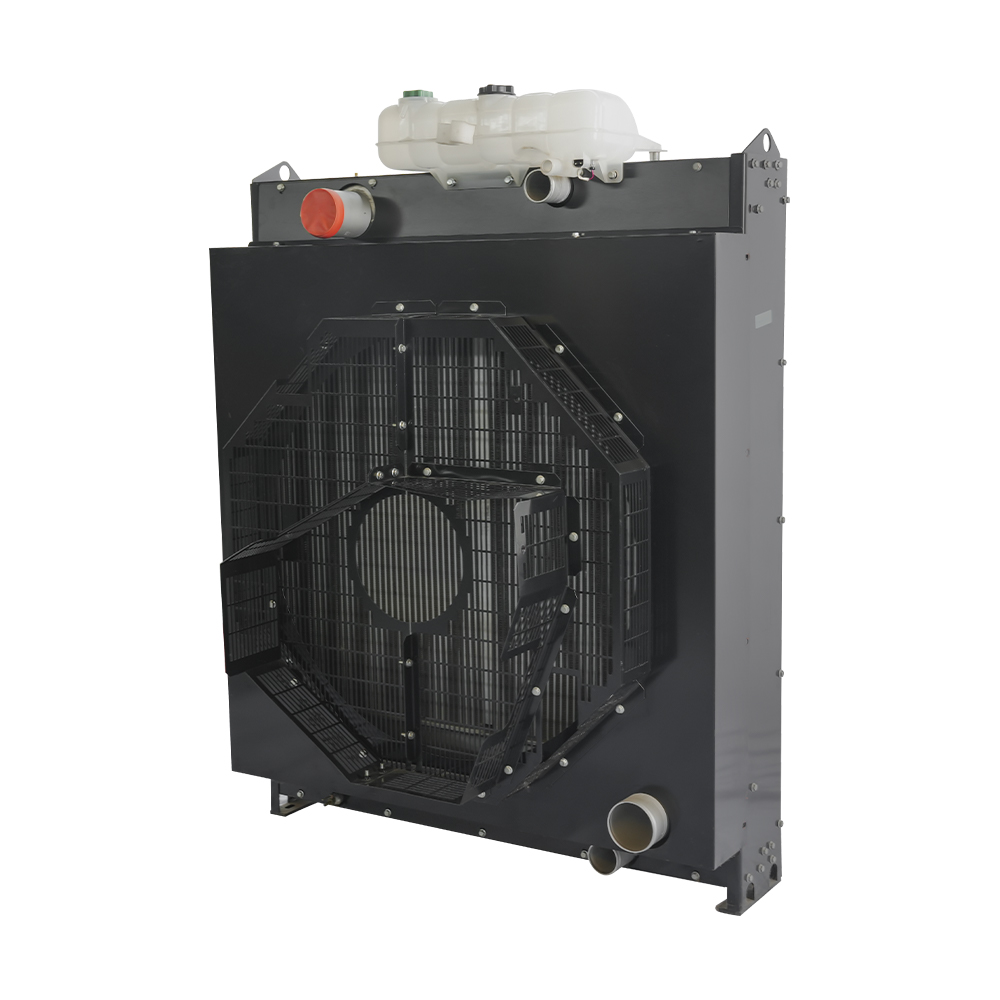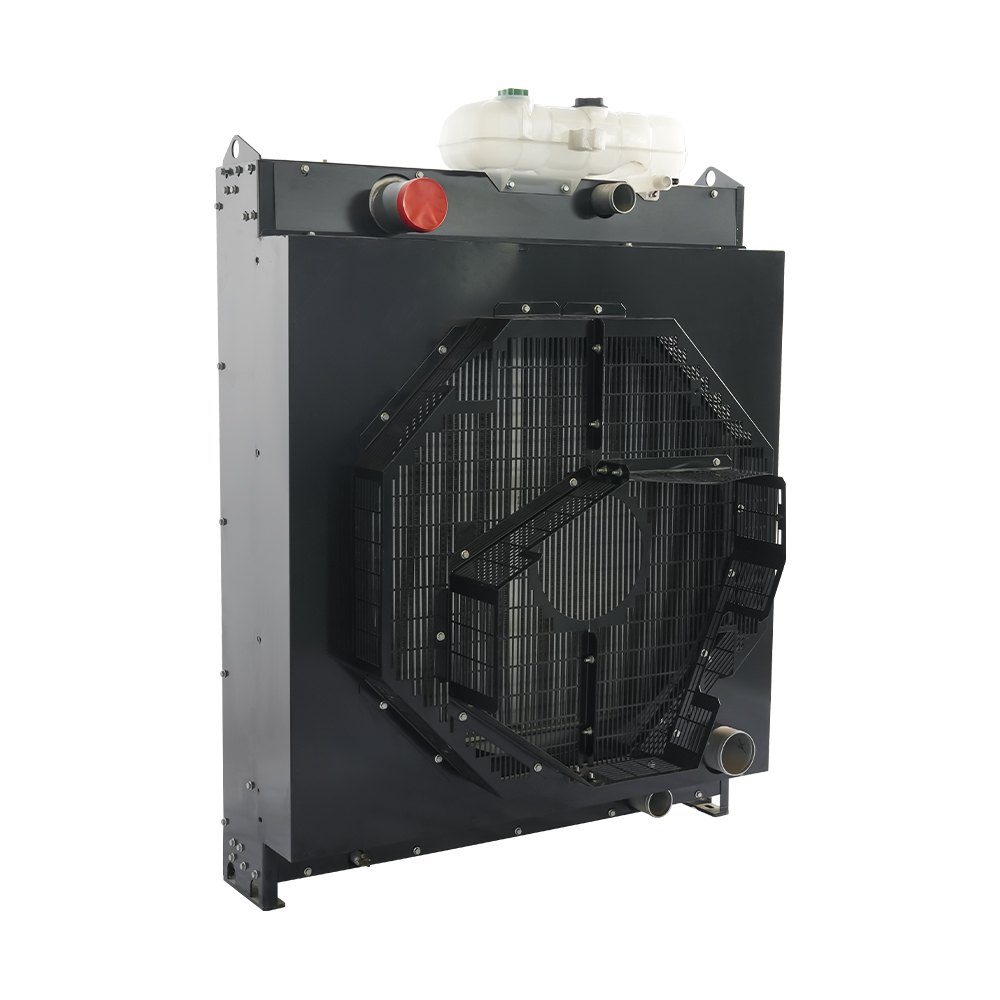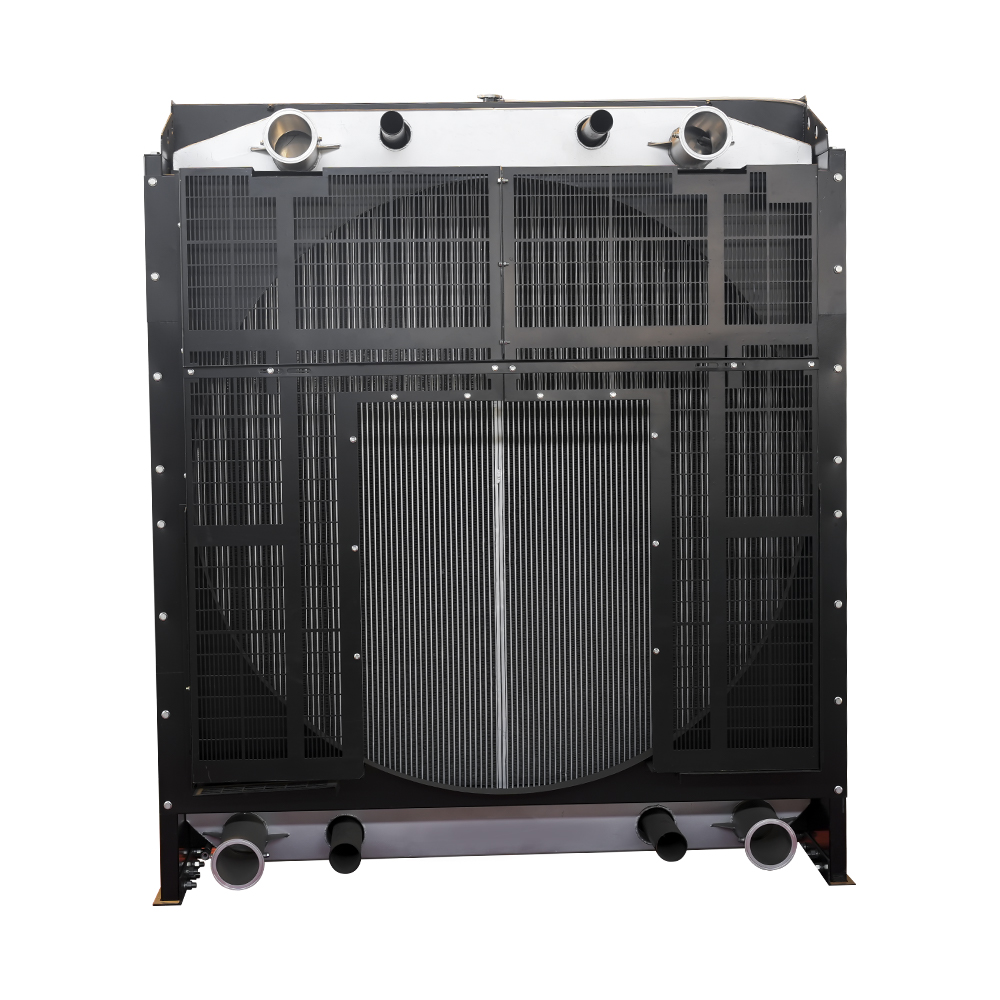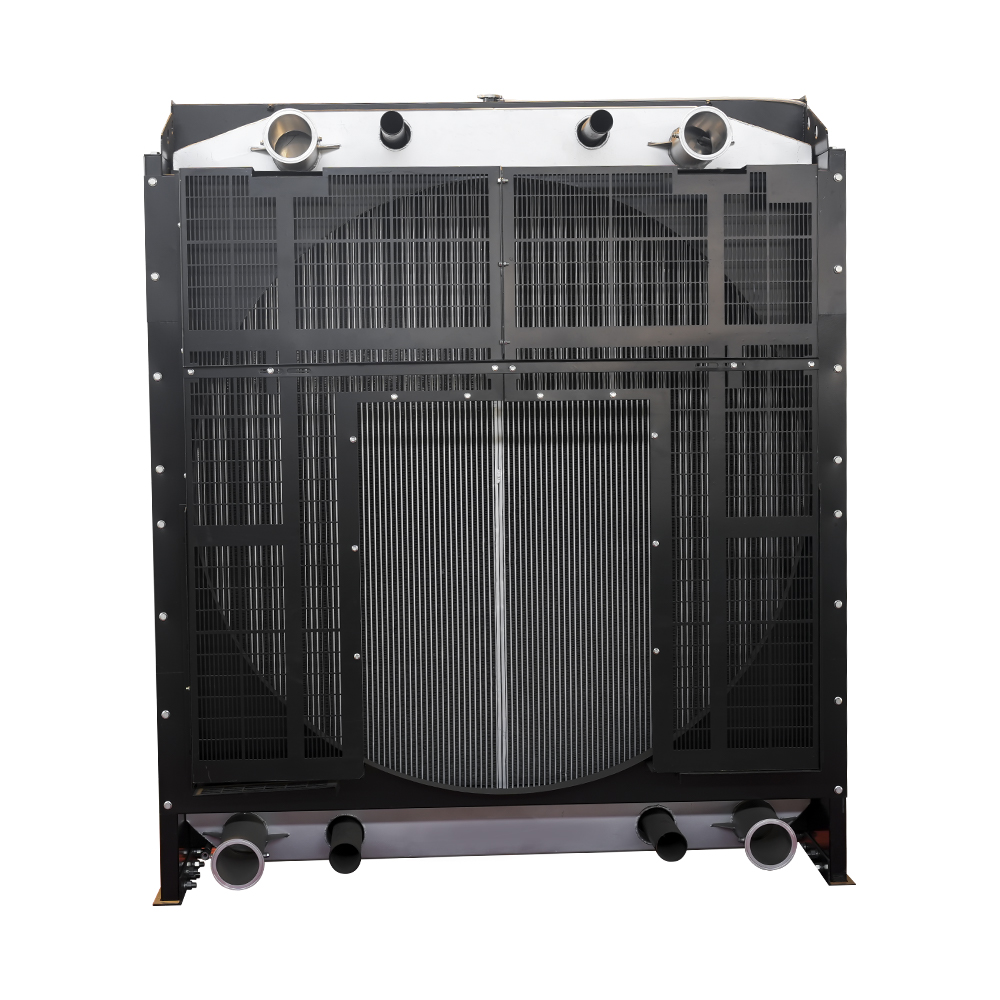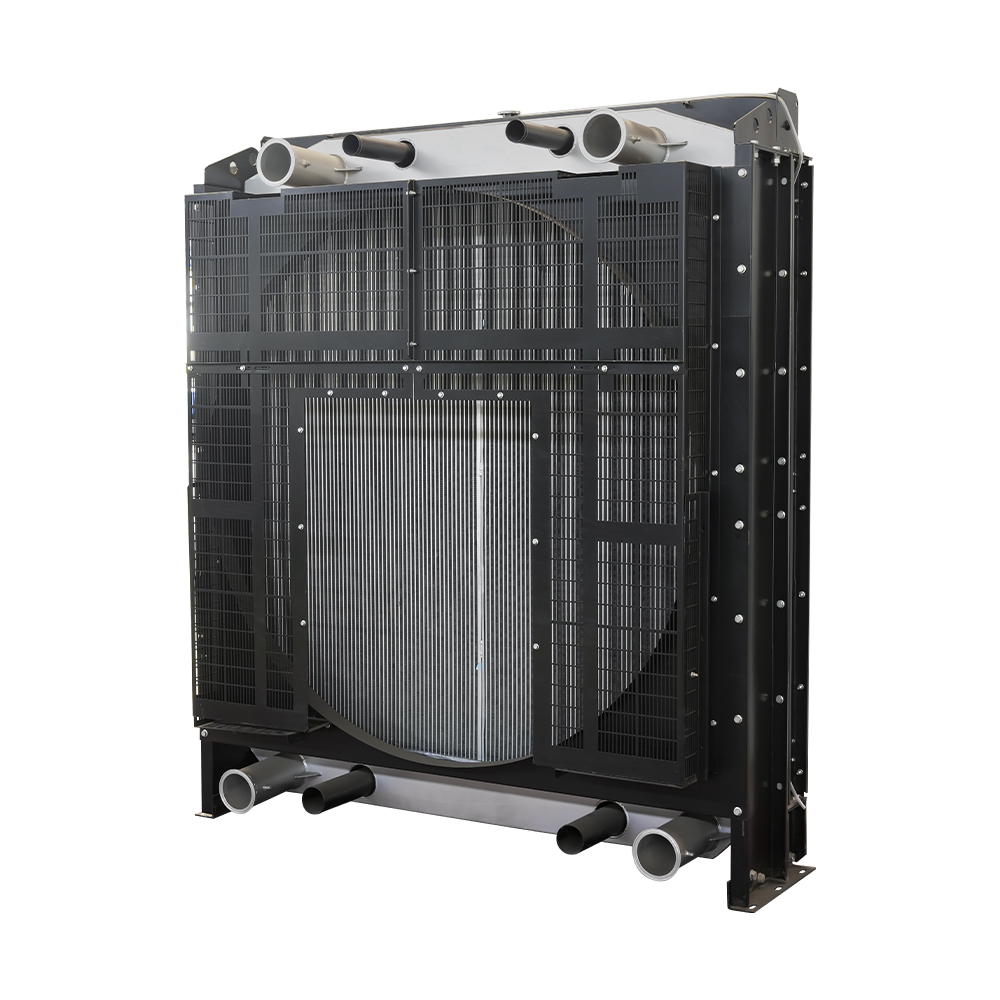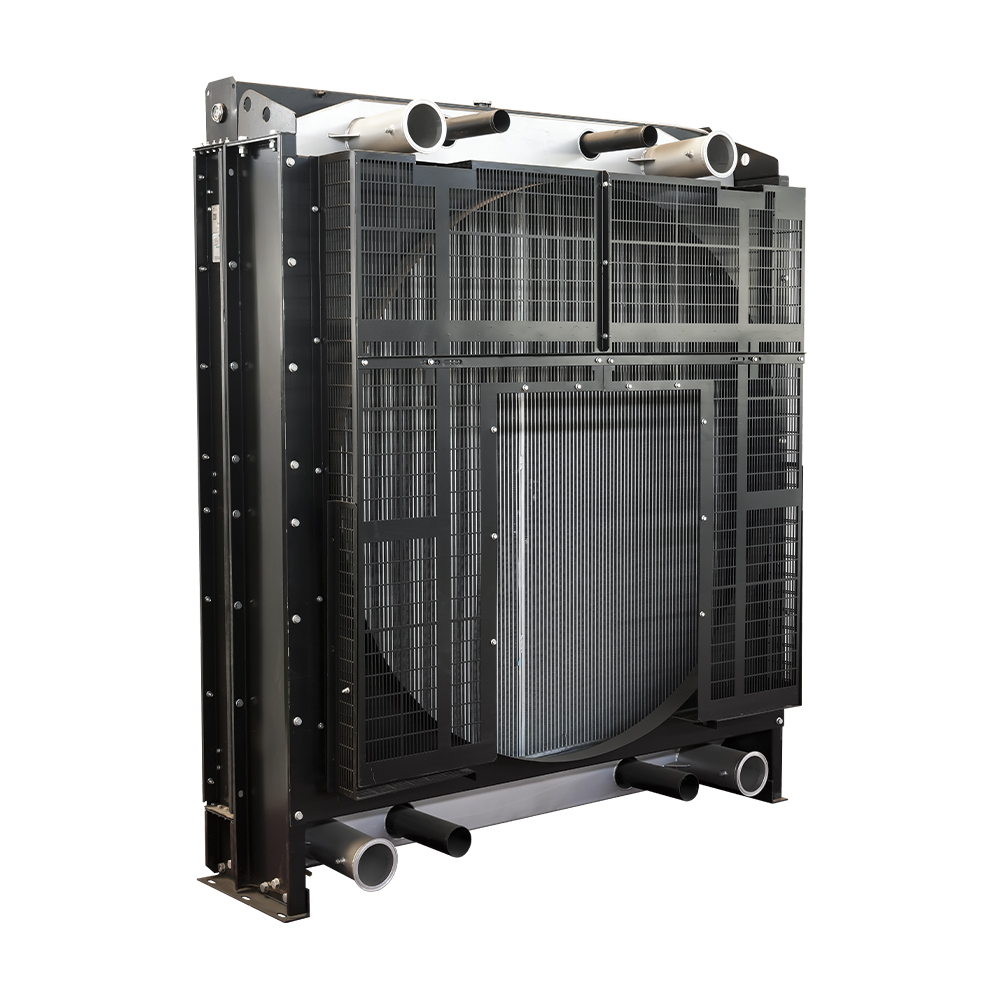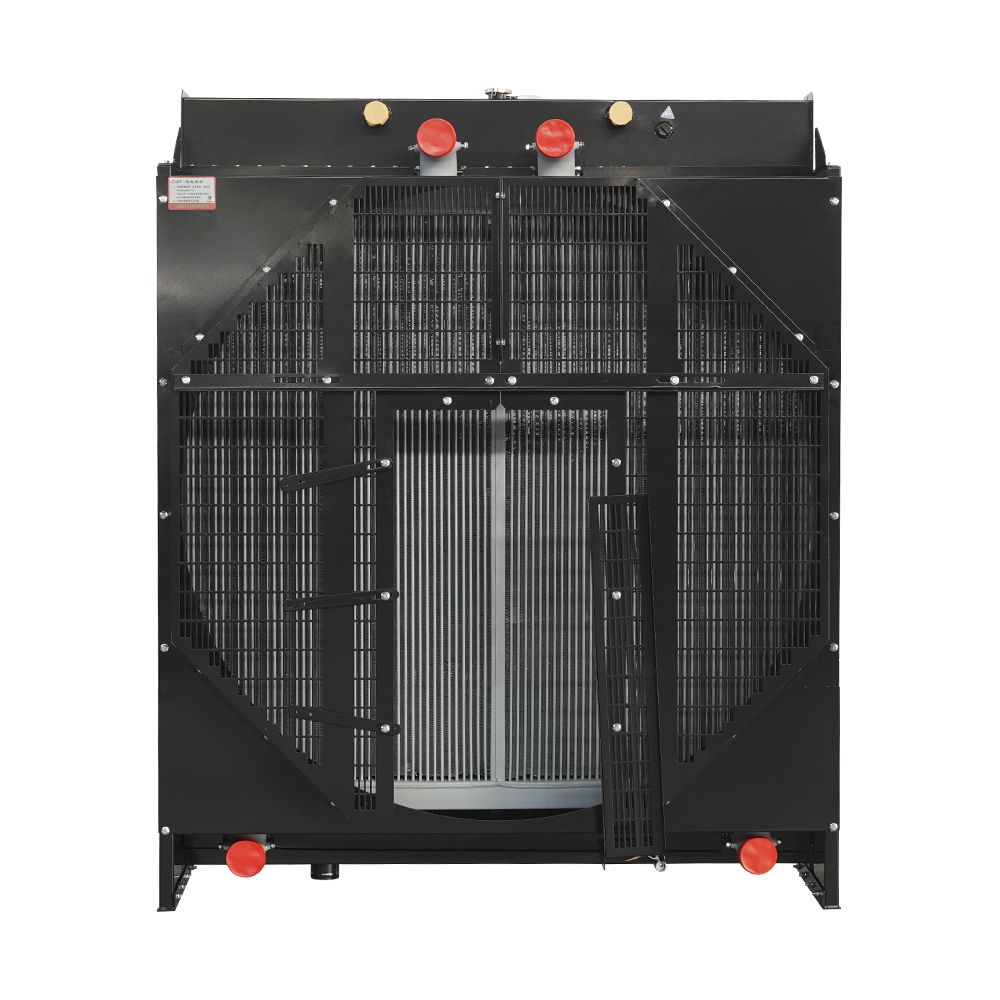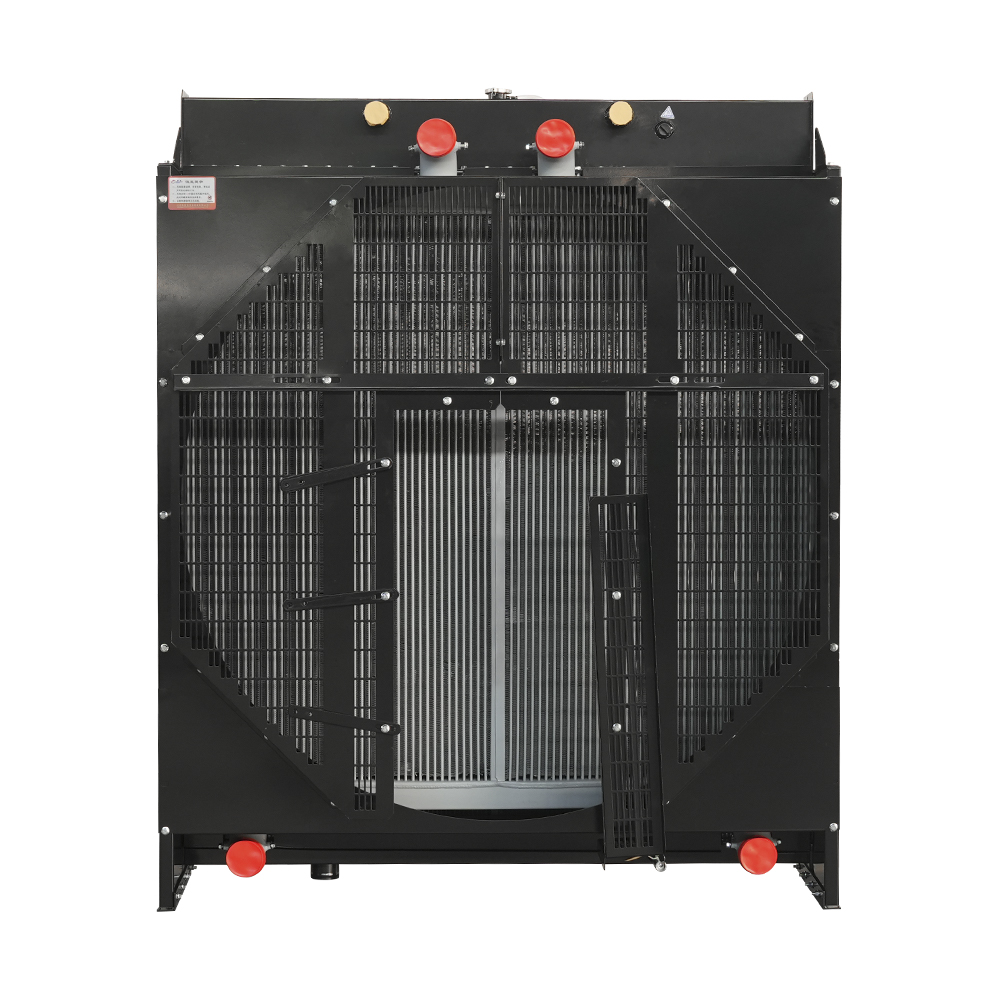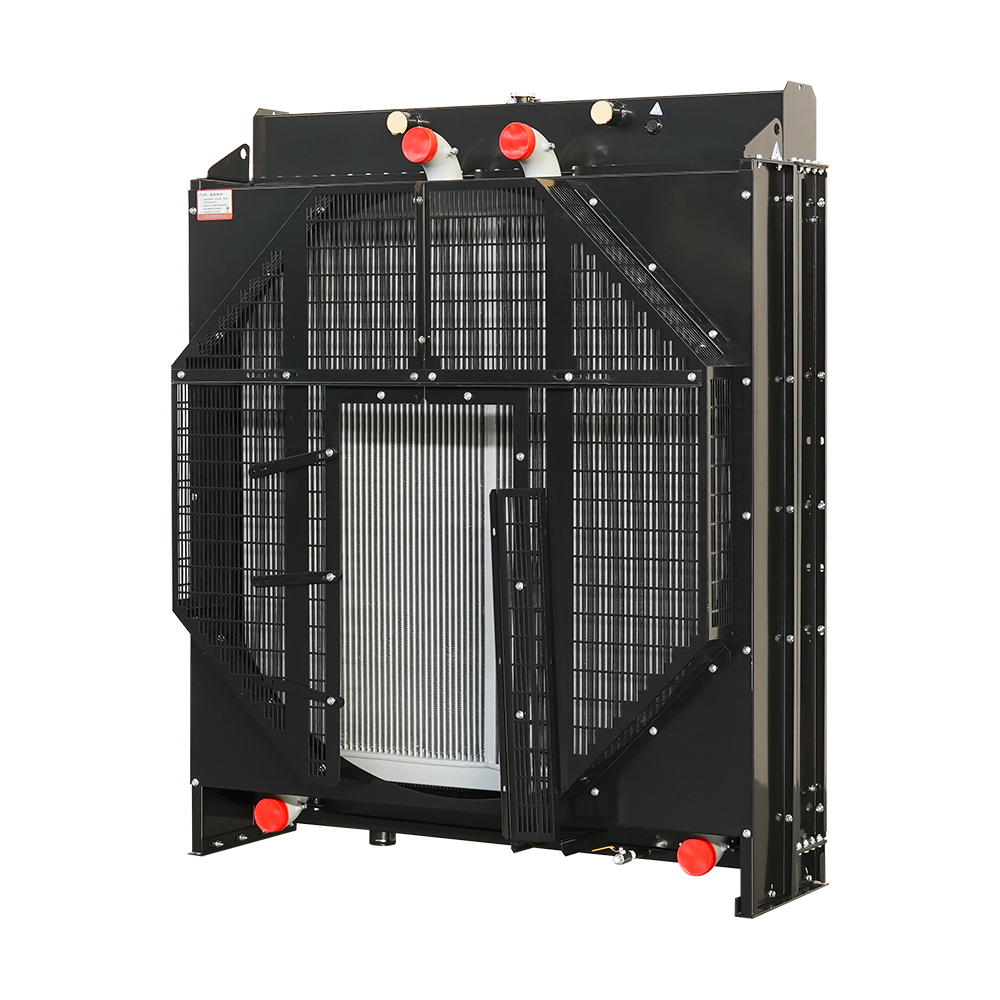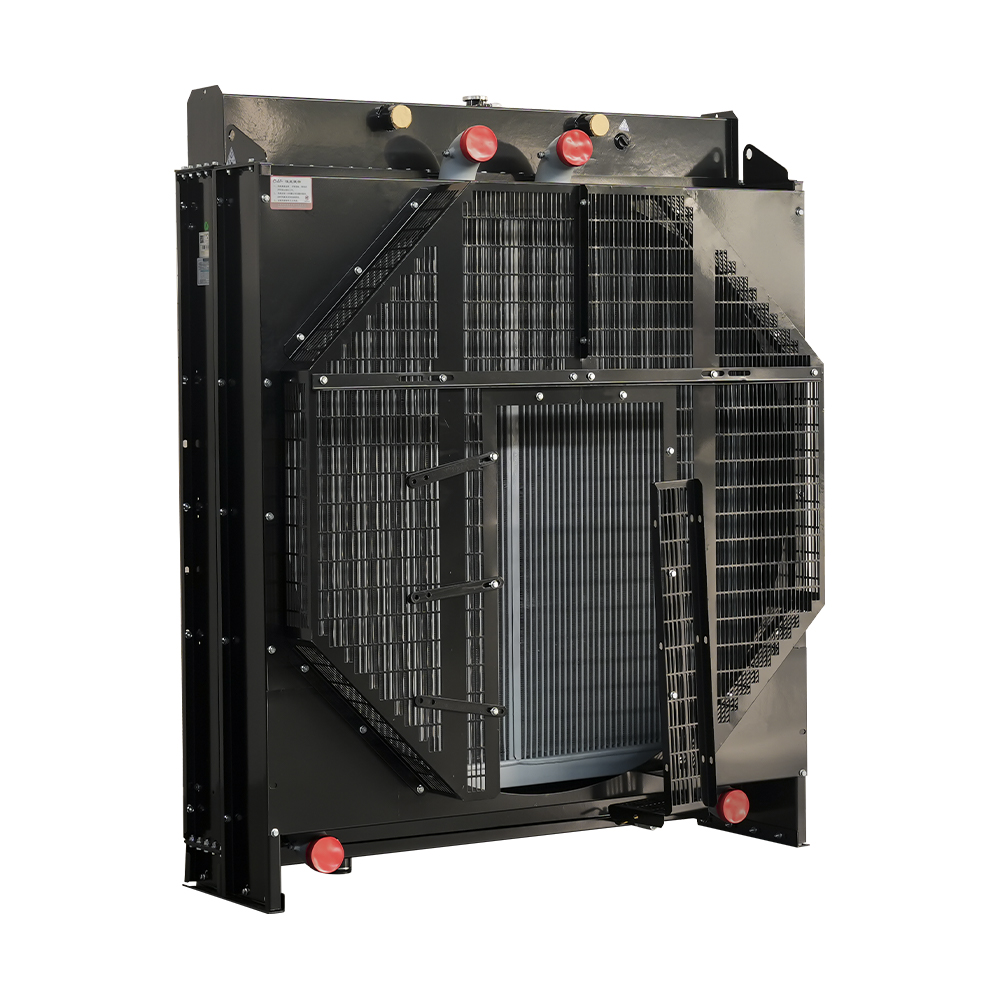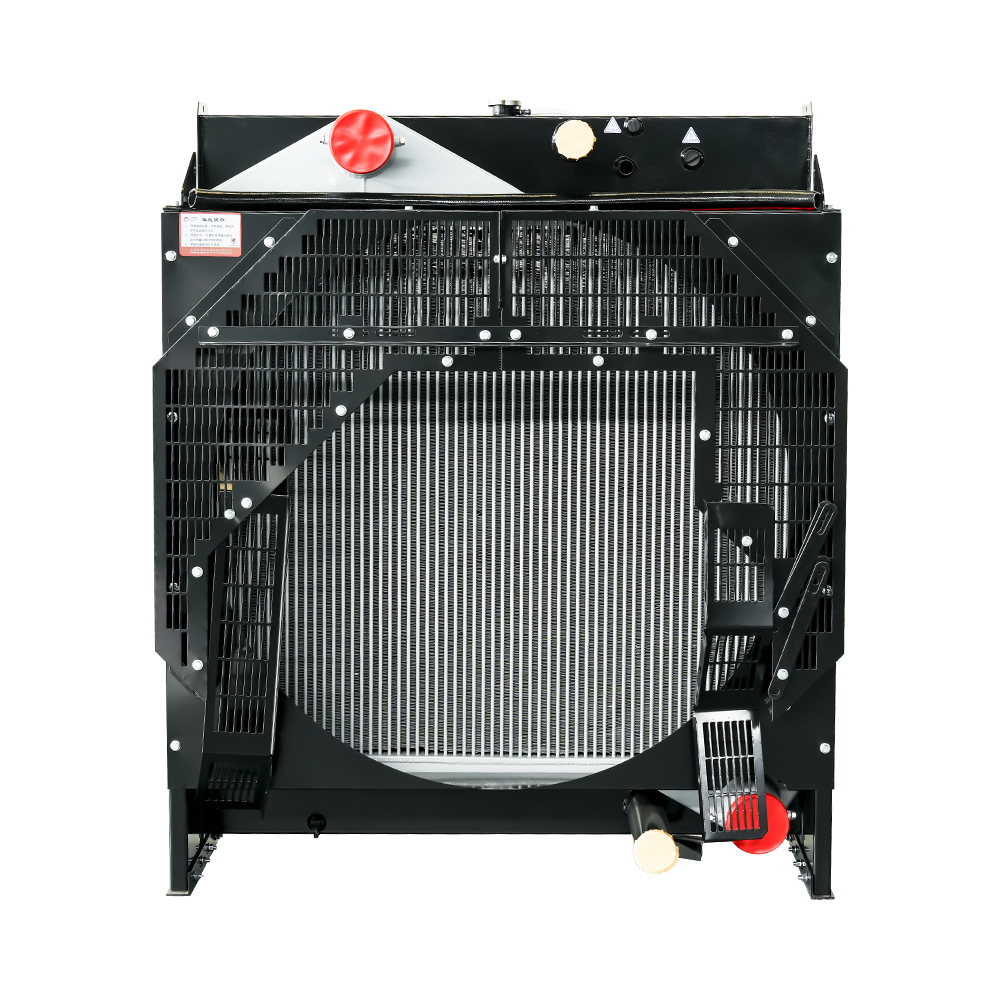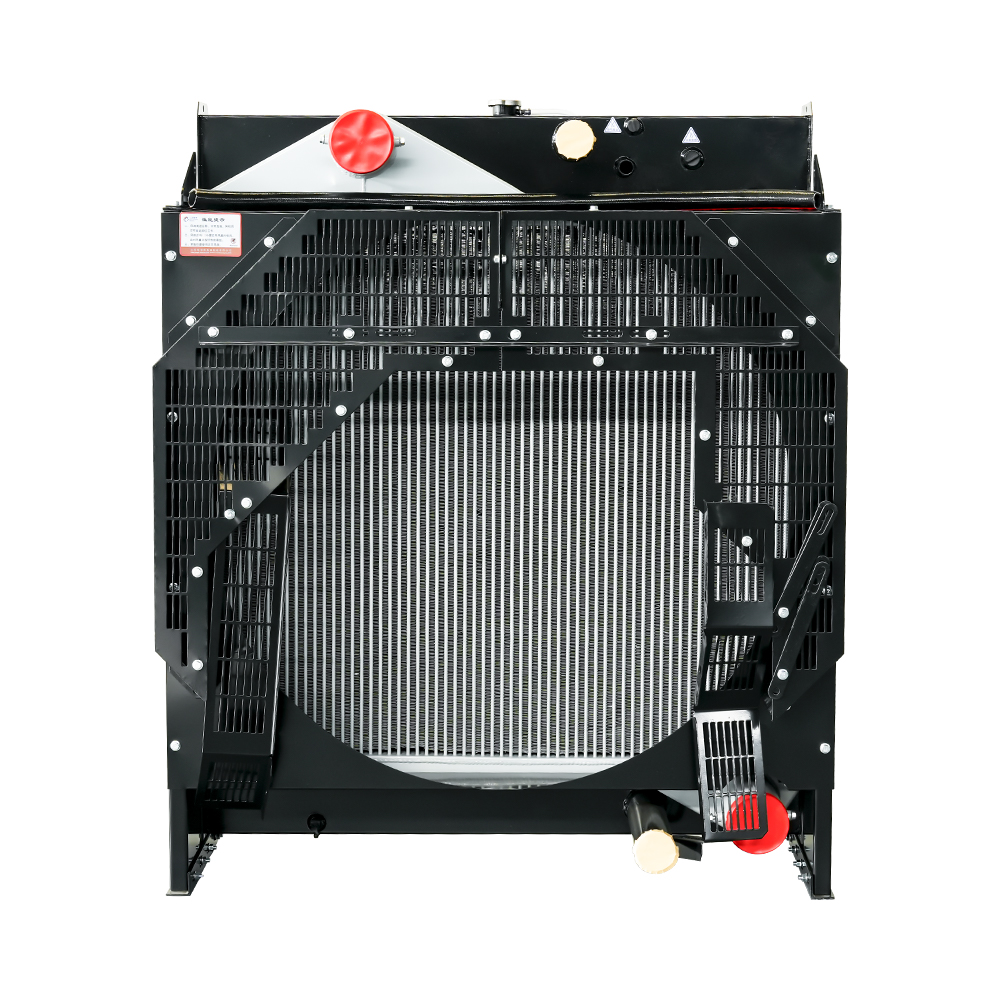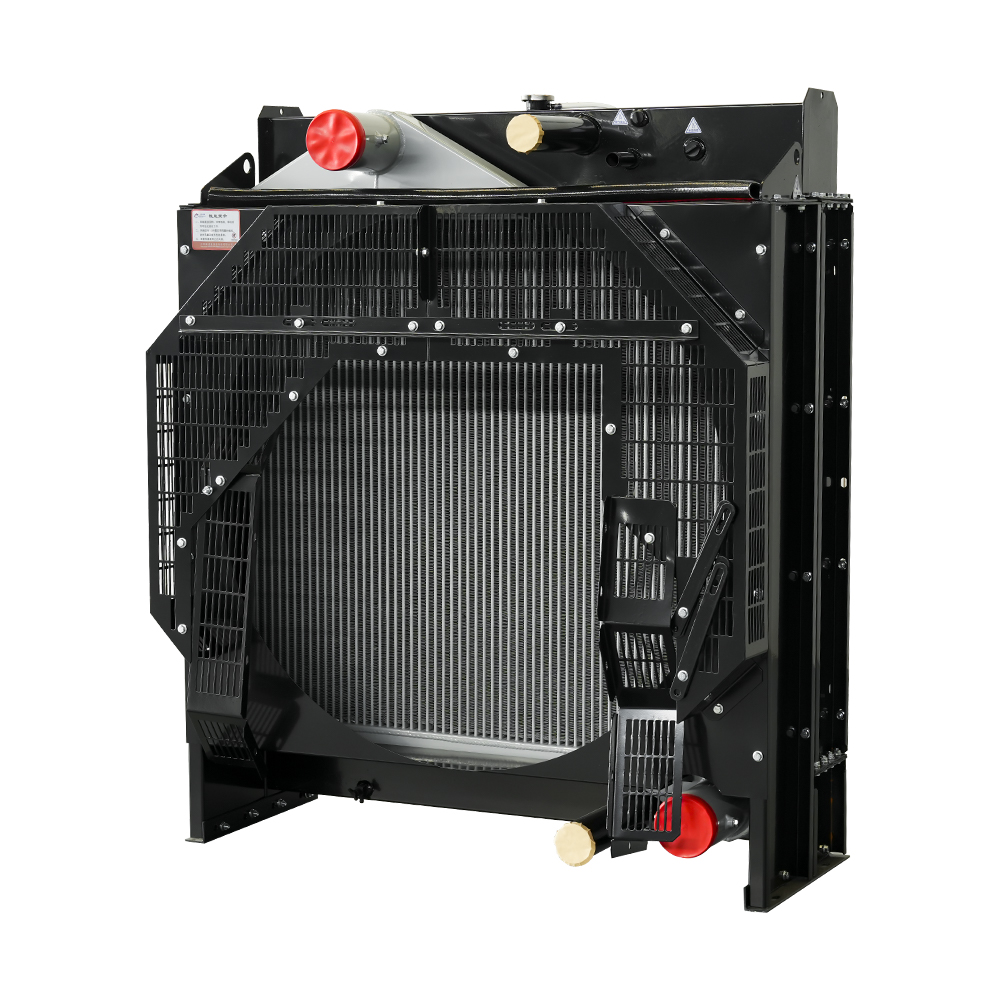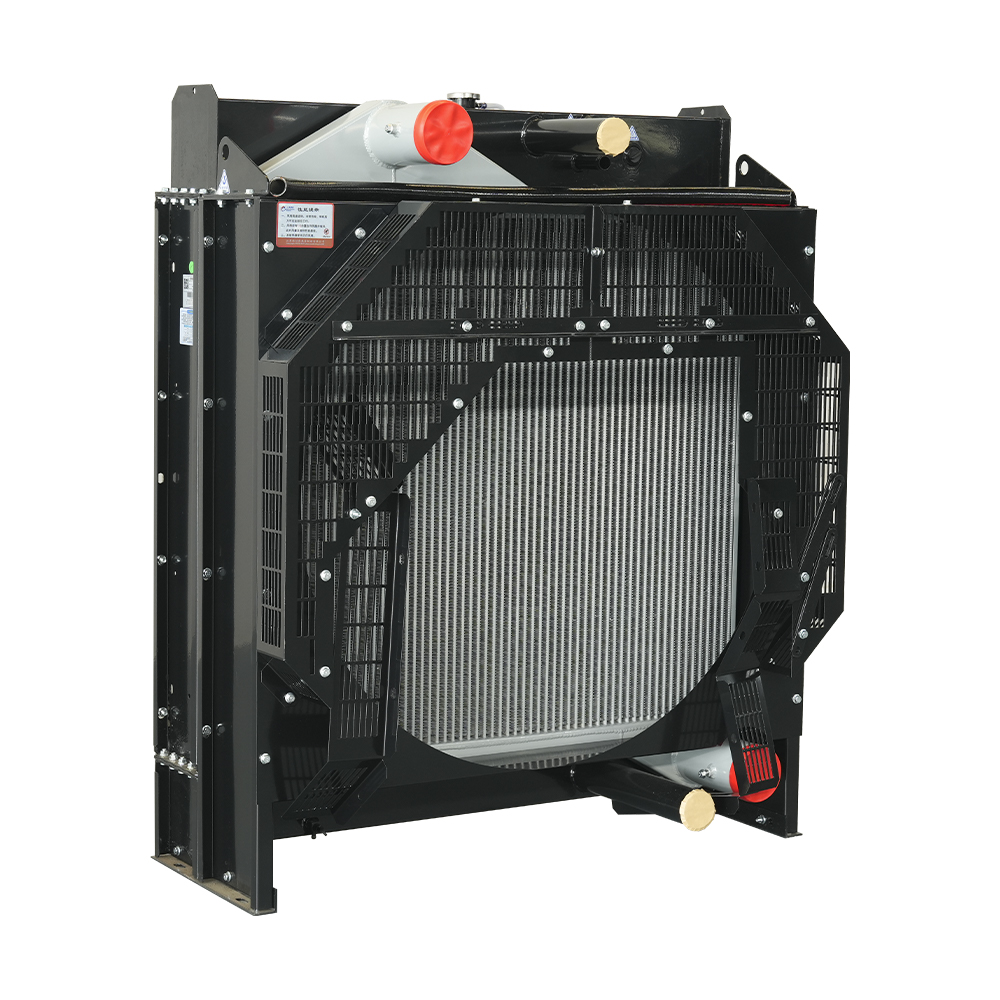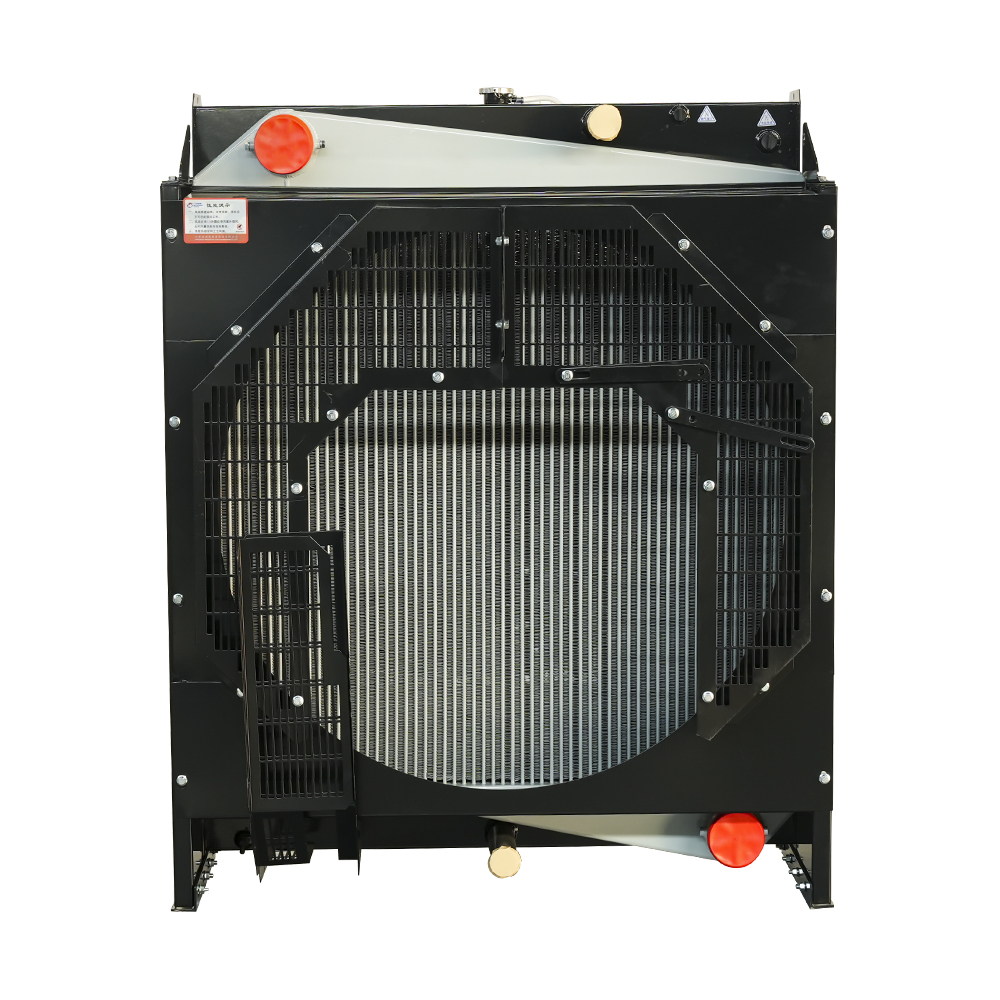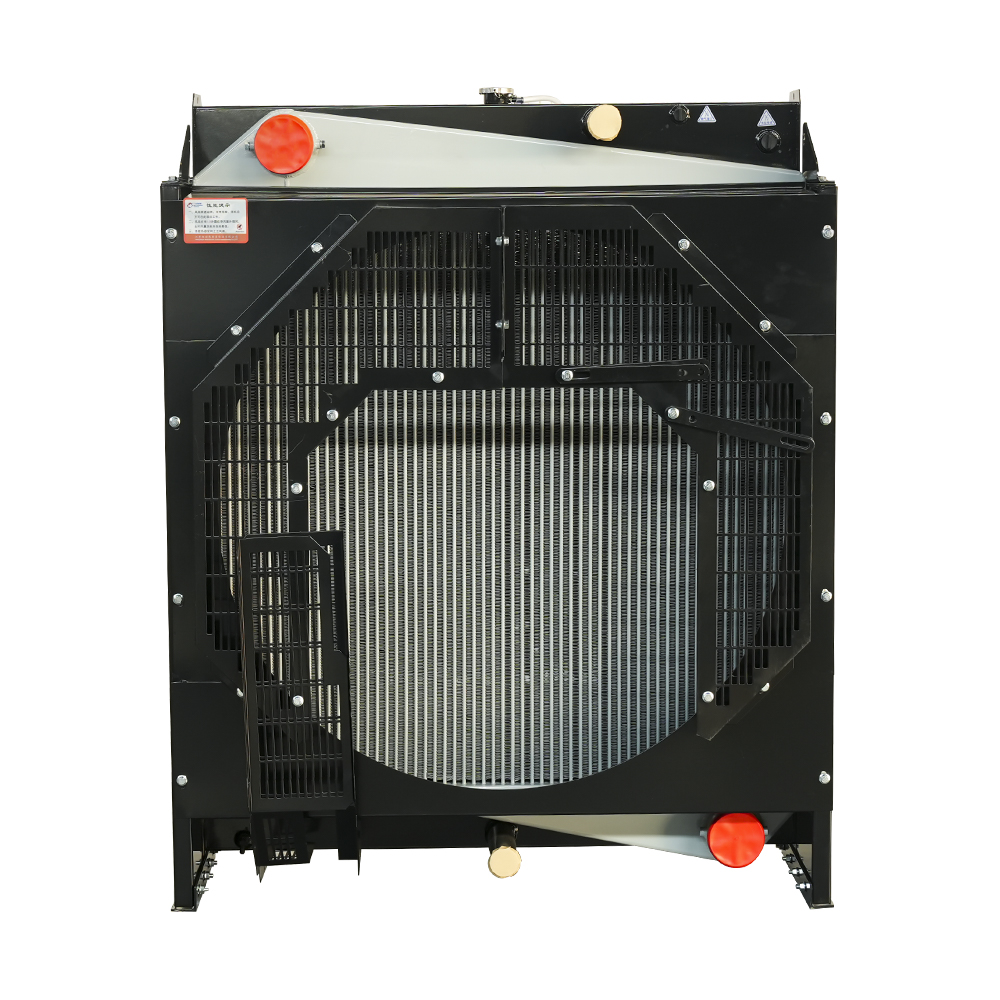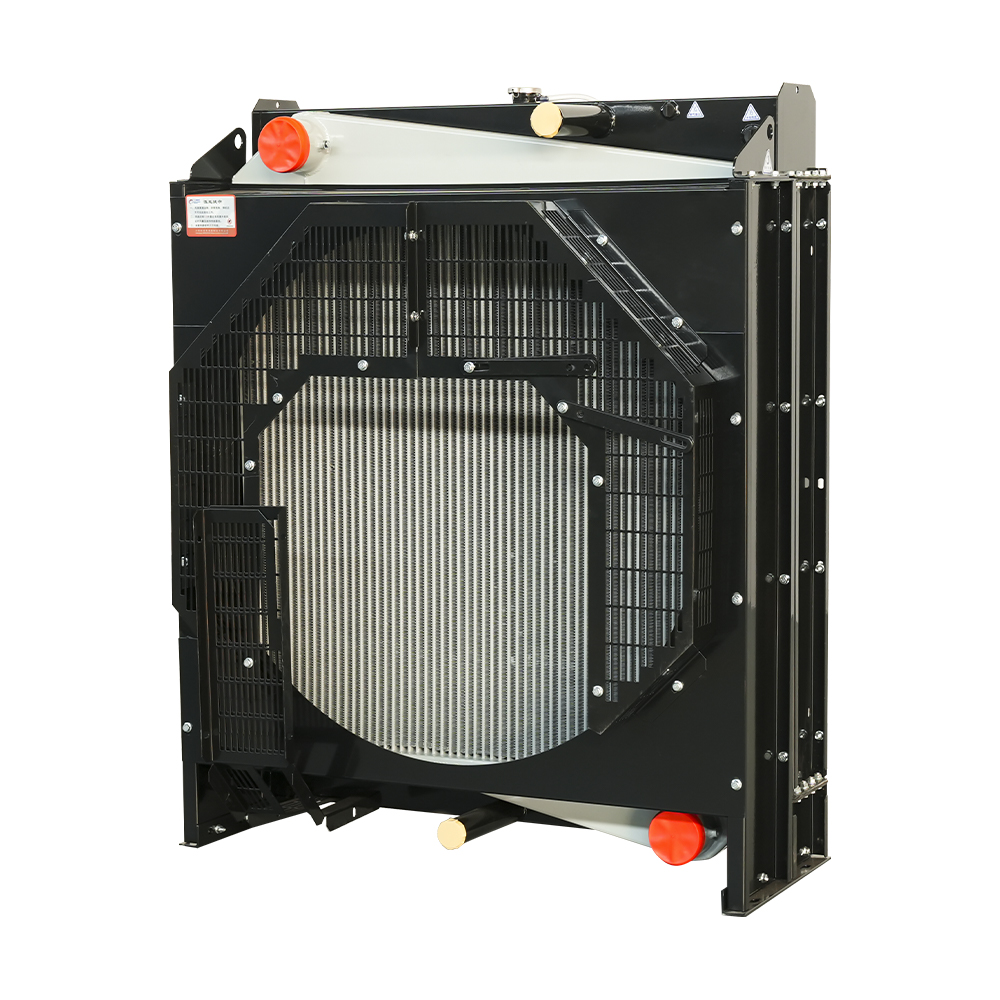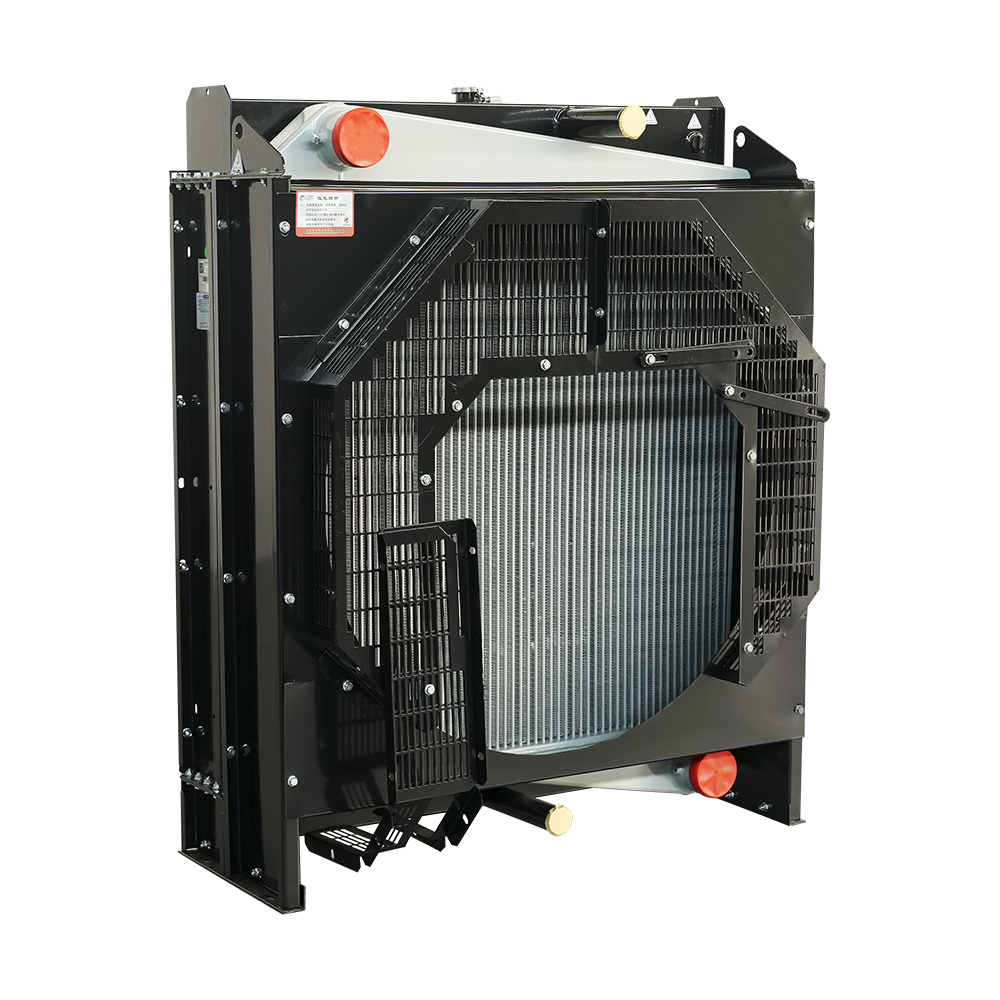

Tailored for mobile power trucks, these radiators fit compact enclosures while providing high cooling capacity. Durable cores and vibration-resistant mounts ensure performance during transport and on-site operation. Ideal for events, emergency power supply, and mobile broadcasting units.
| Core Material | Aluminum / Copper |
| Cooling Capacity | 20 kW – 2000 kW |
| Core Dimensions | Compact form for vehicle integration |
| Fin Structure | Vibration-resistant tube-and-fin |
| Operating Temperature Range | -20°C to +50°C |
| Pressure Rating | 3.0 bar |
| Surface Treatment | Anti-vibration epoxy paint |
| Mounting Options | Custom brackets for truck chassis |
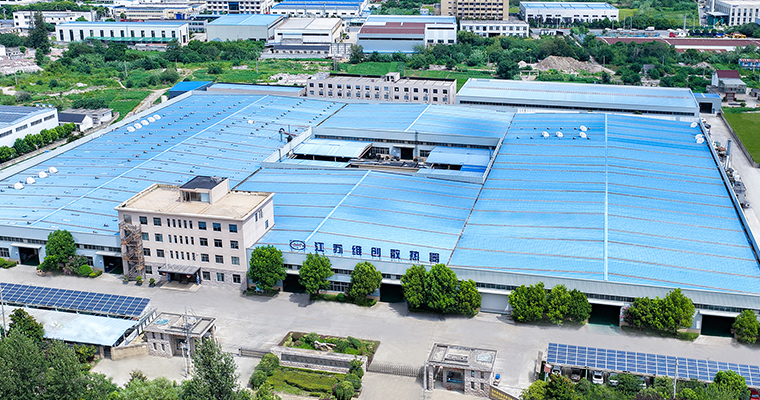
From our beginnings in generator set and radiator manufacturing in 2003, we've now expanded our business to over 30 countries with a workforce of more than 250 employees. As an established R&D and manufacturing enterprise for generator set radiators, OEM Power Truck Generator Radiators Manufacturers and Power Truck Generator Radiators Suppliers, operates two standardized production bases spanning over 60,000 square meters. With a technical team of 50+ core engineers, we have built a comprehensive industrial system covering R&D, production, and testing, achieving an annual production capacity of 150,000 units/sets. As Power Truck Generator Radiators Factory, Professional advanced sheet metal radiator manufacturing equipment to ensure the quality of the products, high efficiency and delivery guarantee.
News and Information
Industry Knowledge
A power-truck installation adds continuous vibration, shock, and torsion that stationary sets rarely see. For a Power Truck Generator Radiator, the core-to-tank joints and mounting points are typically the first fatigue locations—especially when the chassis twists on uneven roads.
When buyers tell me the truck will run long distances between sites, I always prioritize the mount strategy first—cooling capacity only matters if the core survives transport.
Many mobile applications run higher airflow variability and faster heat swings. A radiator with a 3.0 bar pressure rating helps raise the boiling point and reduces localized nucleate boiling in hot spots—useful when the truck is idling in traffic or powering a load in a tight enclosure.
If you’re specifying a power truck generator radiator for harsh duty, I recommend treating cap choice and degassing layout as part of the “core spec,” not an afterthought.
Published cooling capacity ranges look reassuring, but mobile power trucks often have compromised inlet/outlet paths. The real constraint is usually recirculation (hot discharge air being pulled back into the intake), especially with side vents and short ducting.
For mobile units, I like to see airflow verification (even a simple smoke test) before finalizing the radiator size—small duct tweaks often unlock stable temperatures.
An operating range of -20°C to +50°C is meaningful only if the system also accounts for altitude, load profile, and intermittency. Power trucks frequently cycle between transit idle and high step-load—thermal inertia and control response become part of the cooling design.
| Operating condition | Common risk | Buyer-side specification action |
|---|---|---|
| High ambient, low vehicle speed | Air recirculation, fan inefficiency | Demand shroud geometry + intake/exhaust separation details |
| Frequent step-load events | Transient overheating, control lag | Specify reserve capacity and confirm thermostat/bypass routing |
| Cold start below freezing | Overcooling, condensation, poor combustion | Confirm warm-up strategy (shutters, control logic, or heater integration) |
If you share your duty cycle (site runtime, load steps, ambient), I can usually help narrow the radiator configuration faster than guessing by nameplate kW.
Downtime costs on a power truck are rarely just “a radiator problem”—it’s the lost job slot, the emergency callout, and the logistics. A well-specified Power Truck Generator Radiator should make maintenance predictable and repair decisions obvious.
Buy for the service path, not just the first install—mobile power is unforgiving, and a radiator that’s easy to clean and swap keeps your truck earning.



 English
  русский
  Français
  Indonesia
  عربى
عربى  中文简体
中文简体