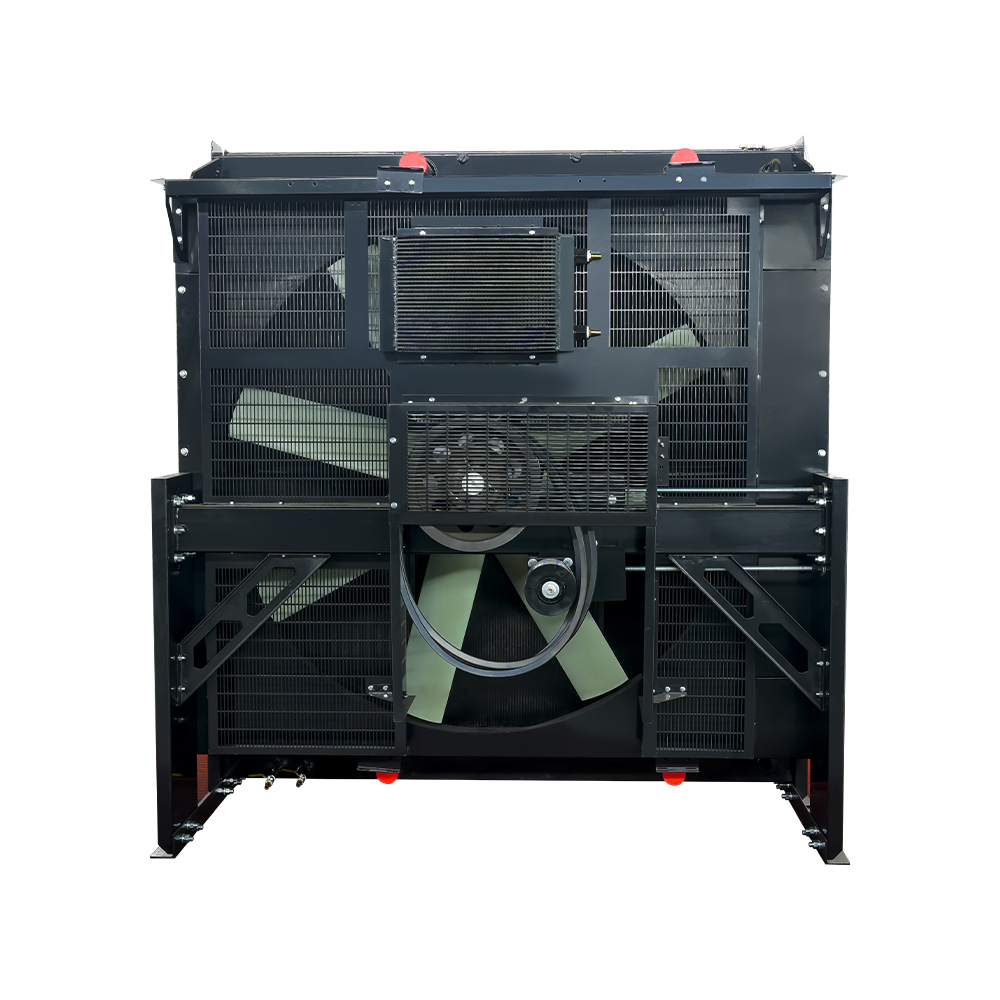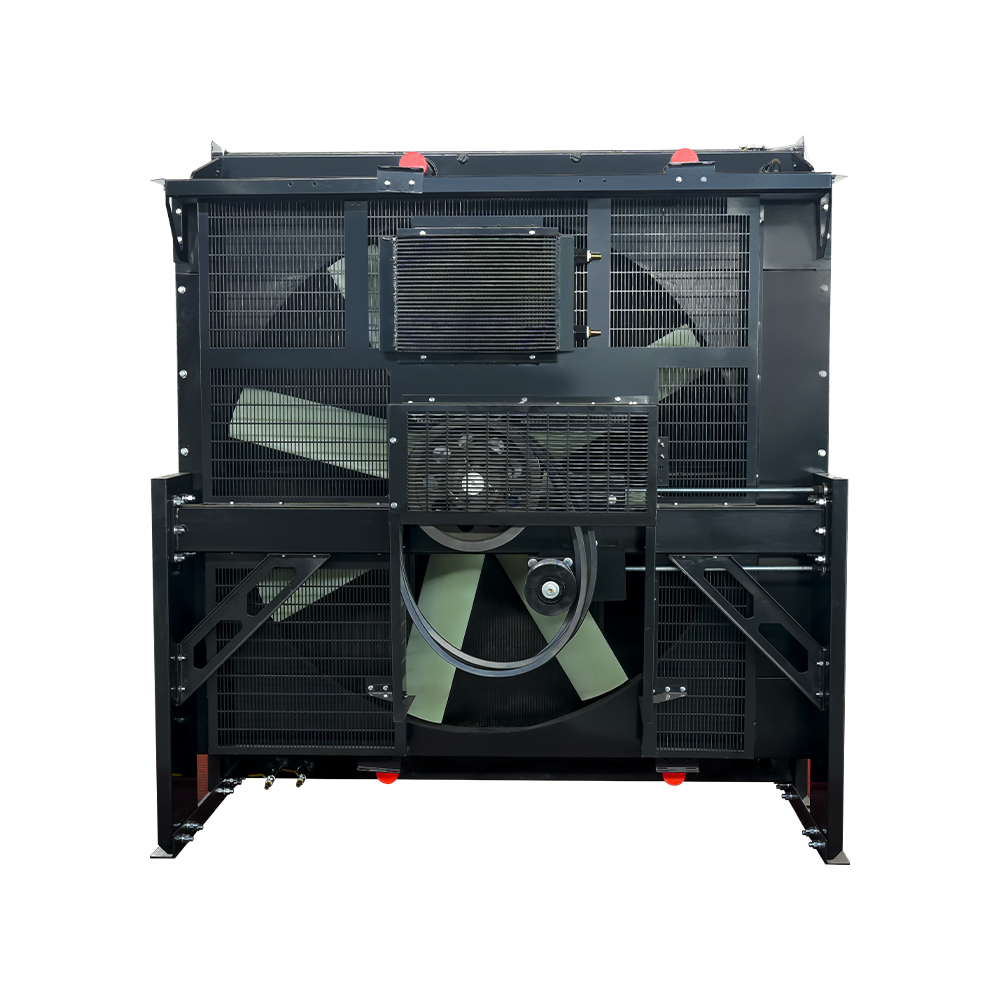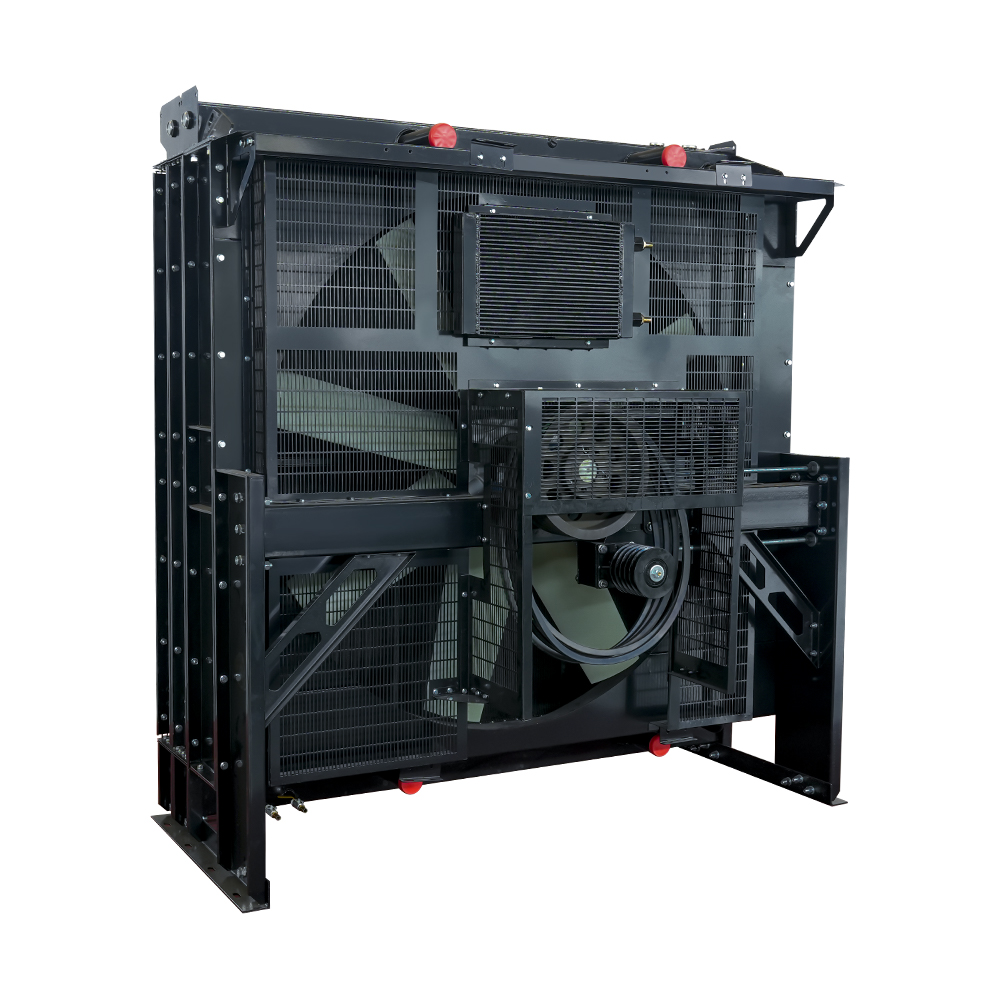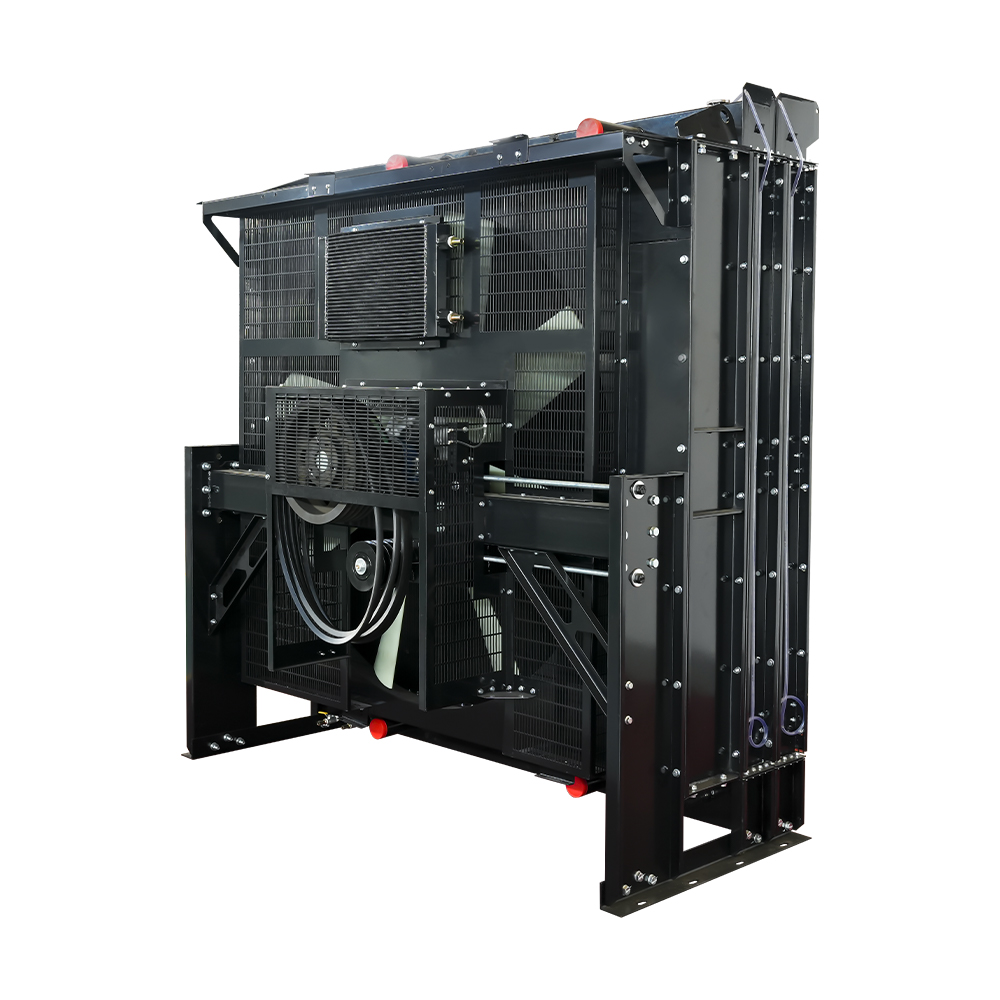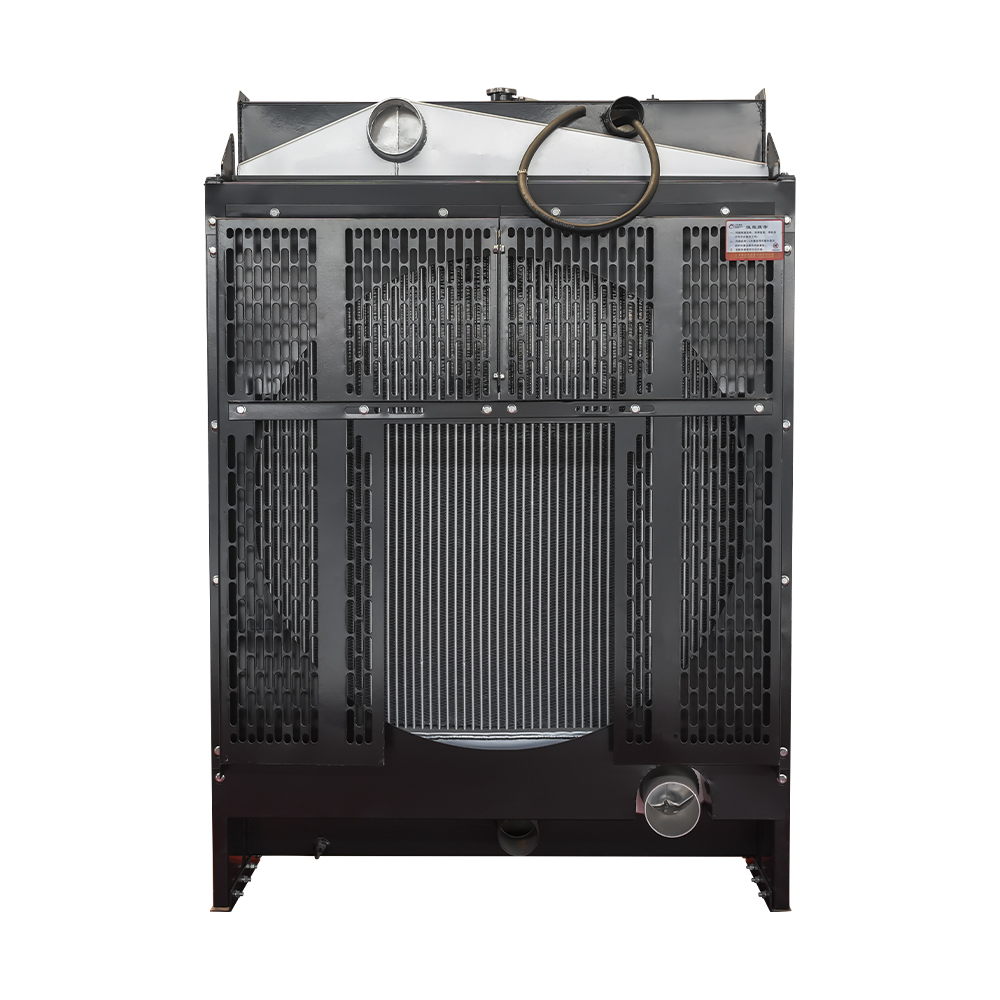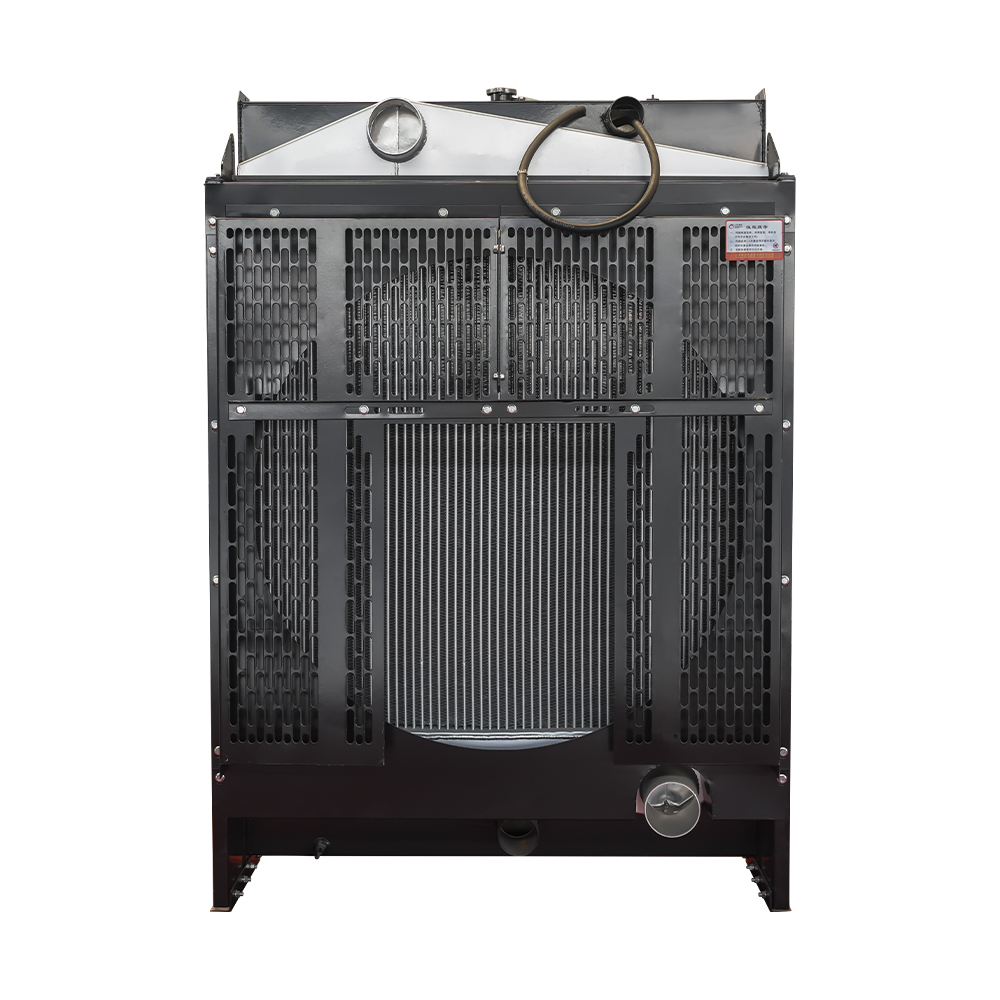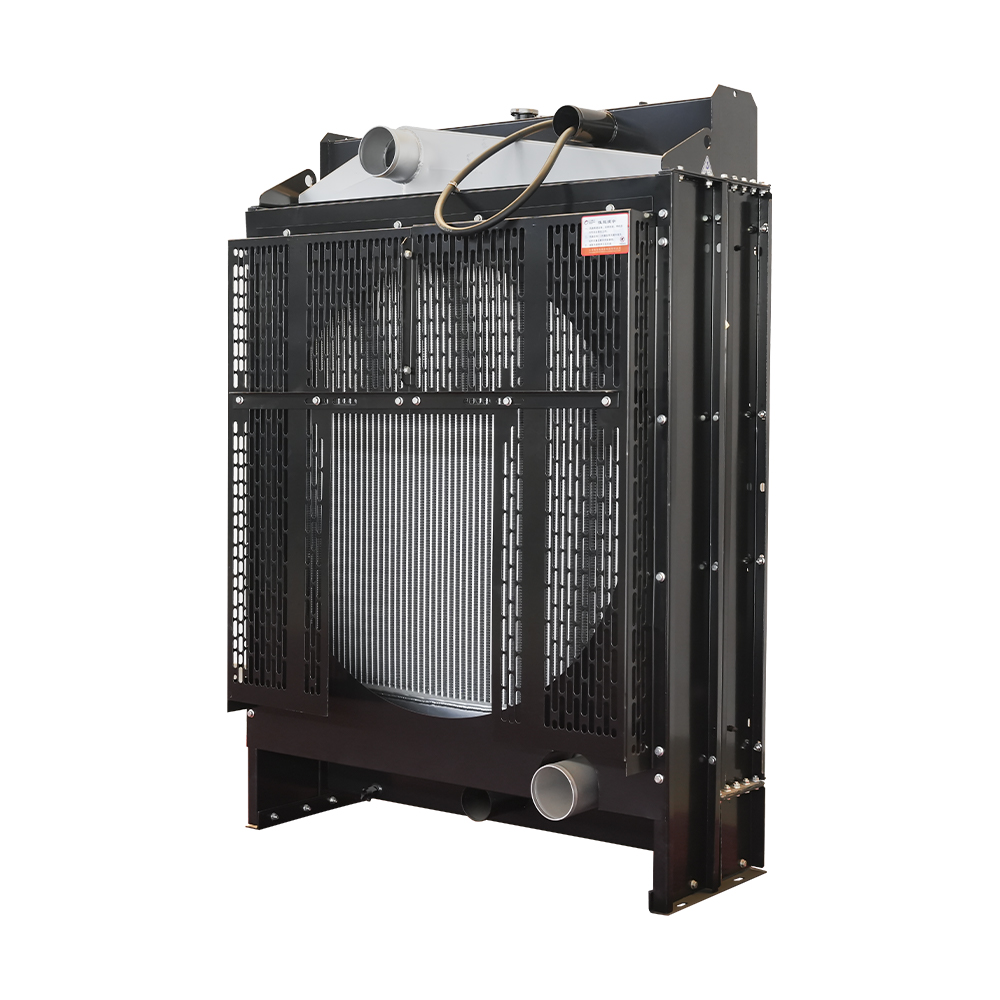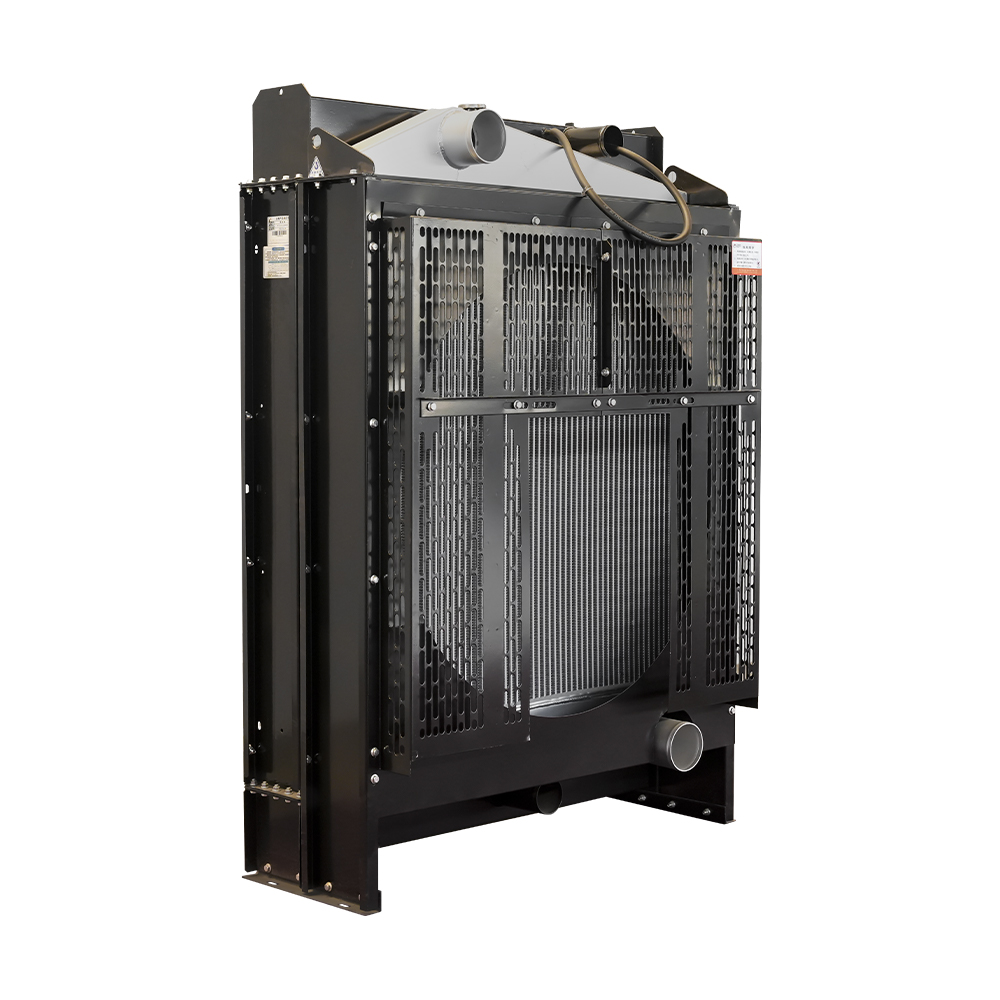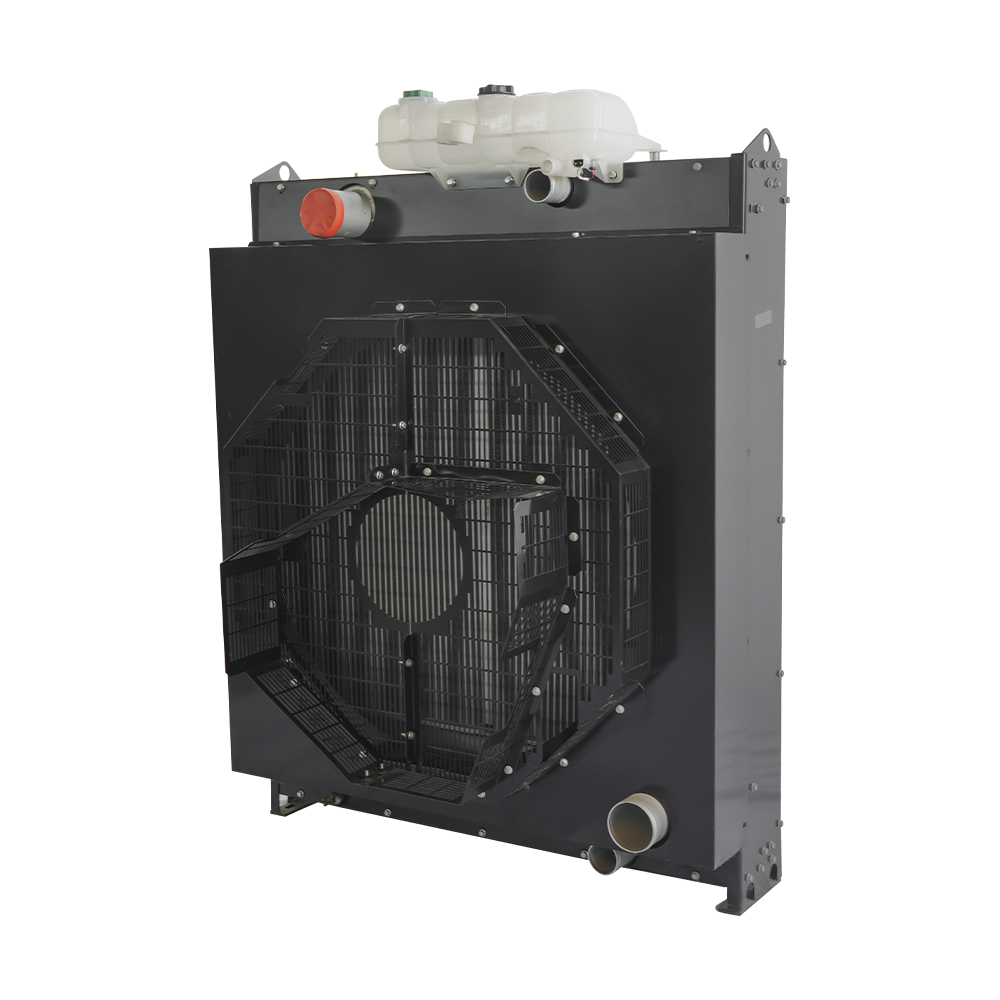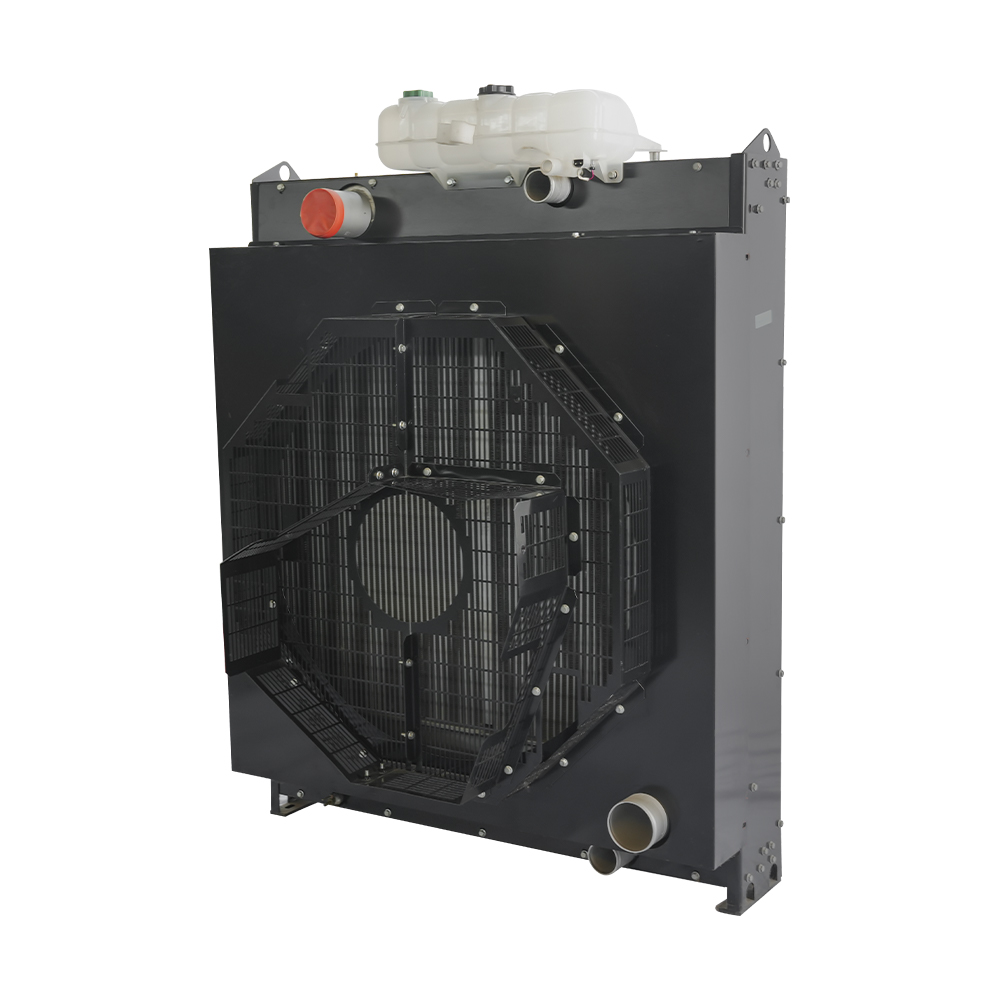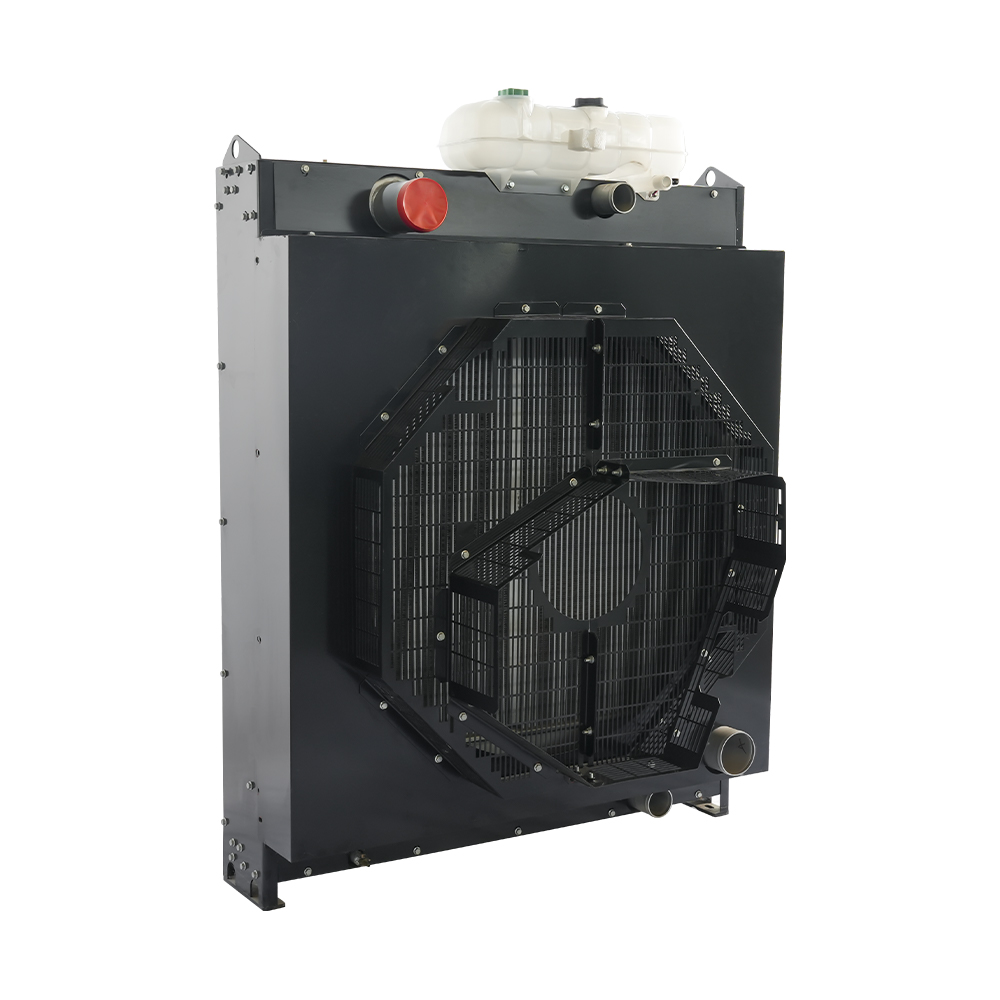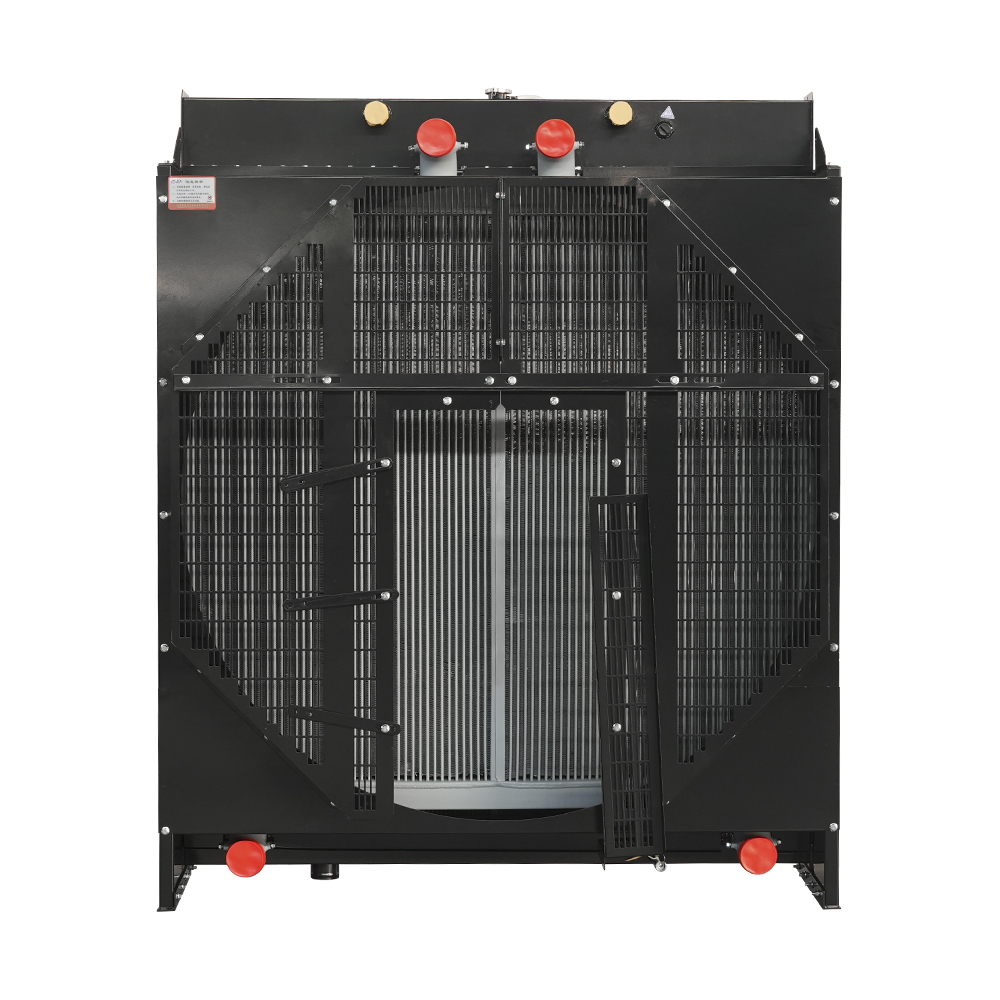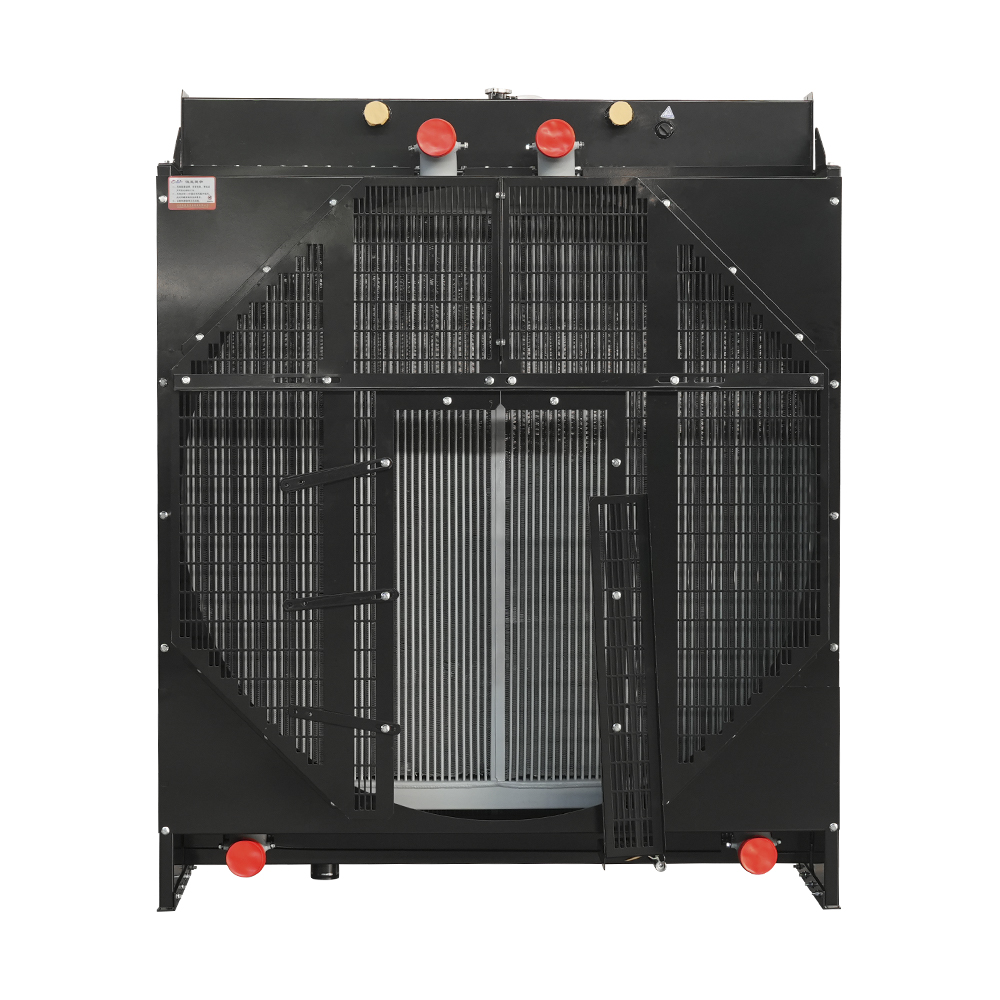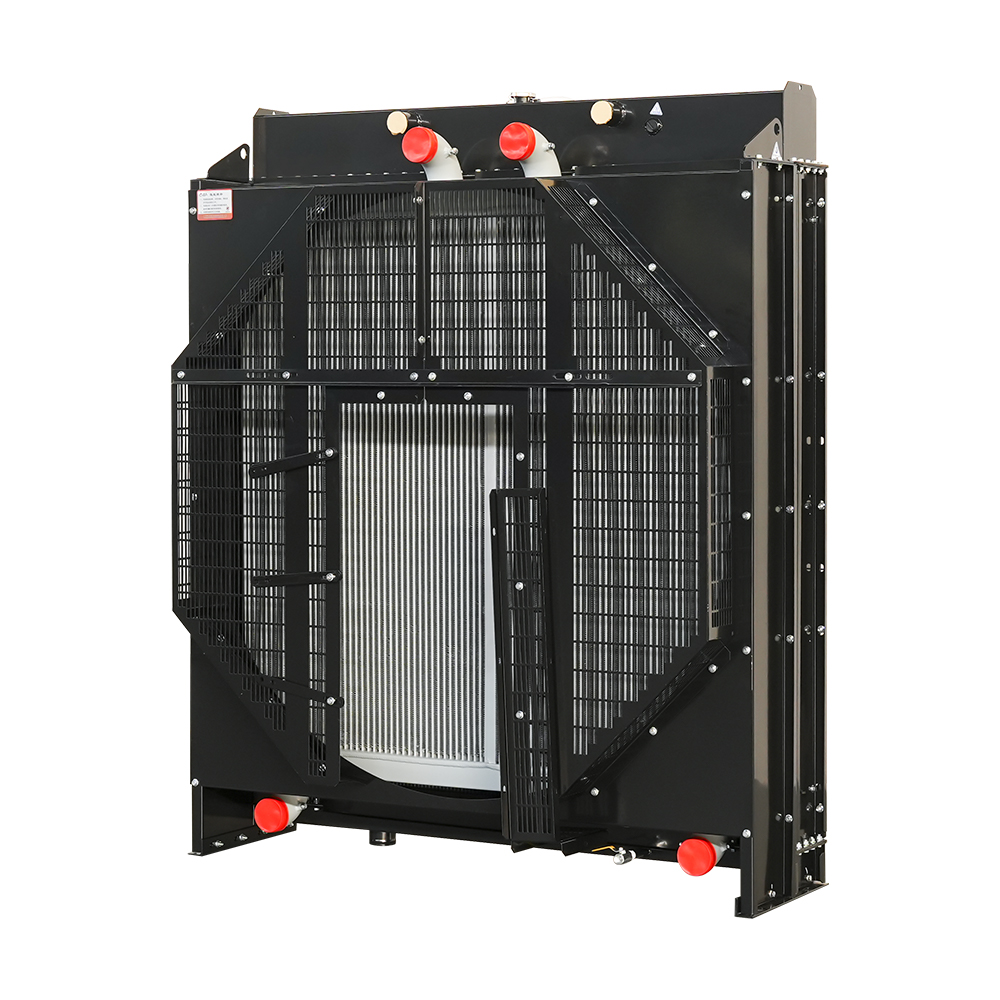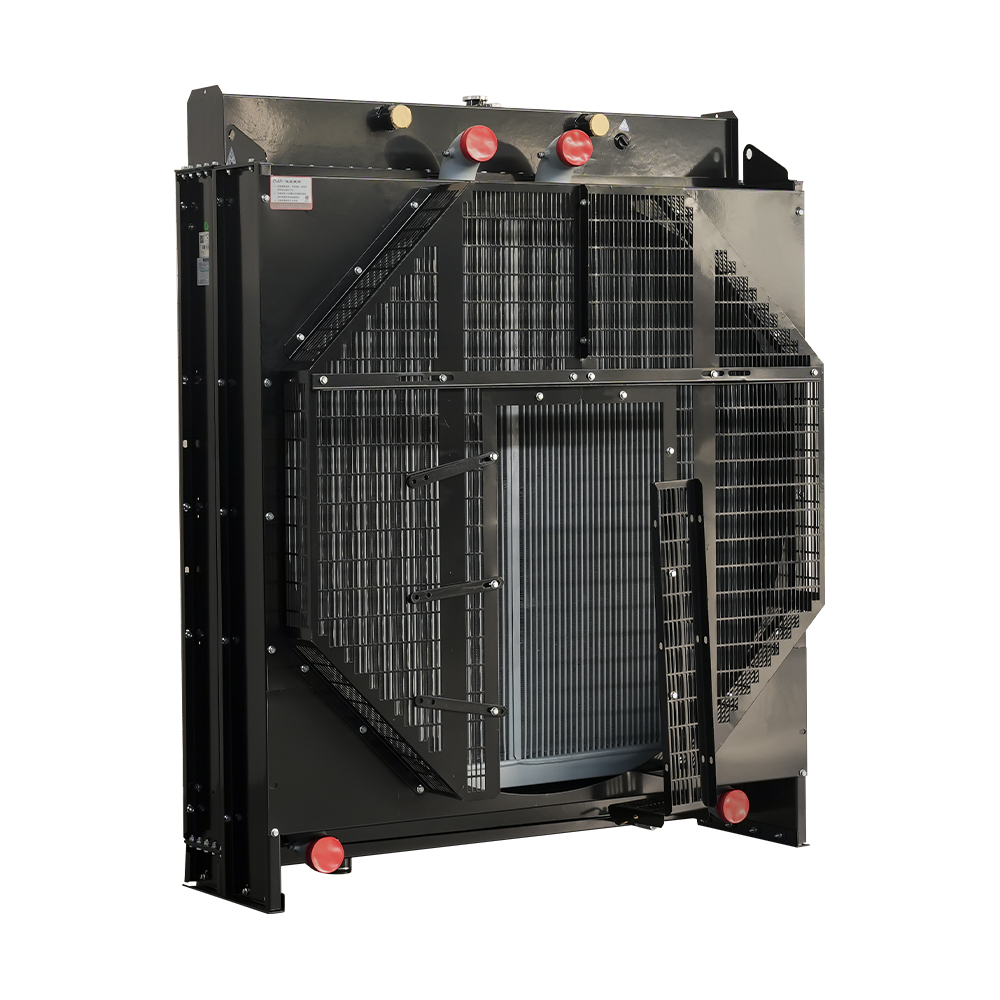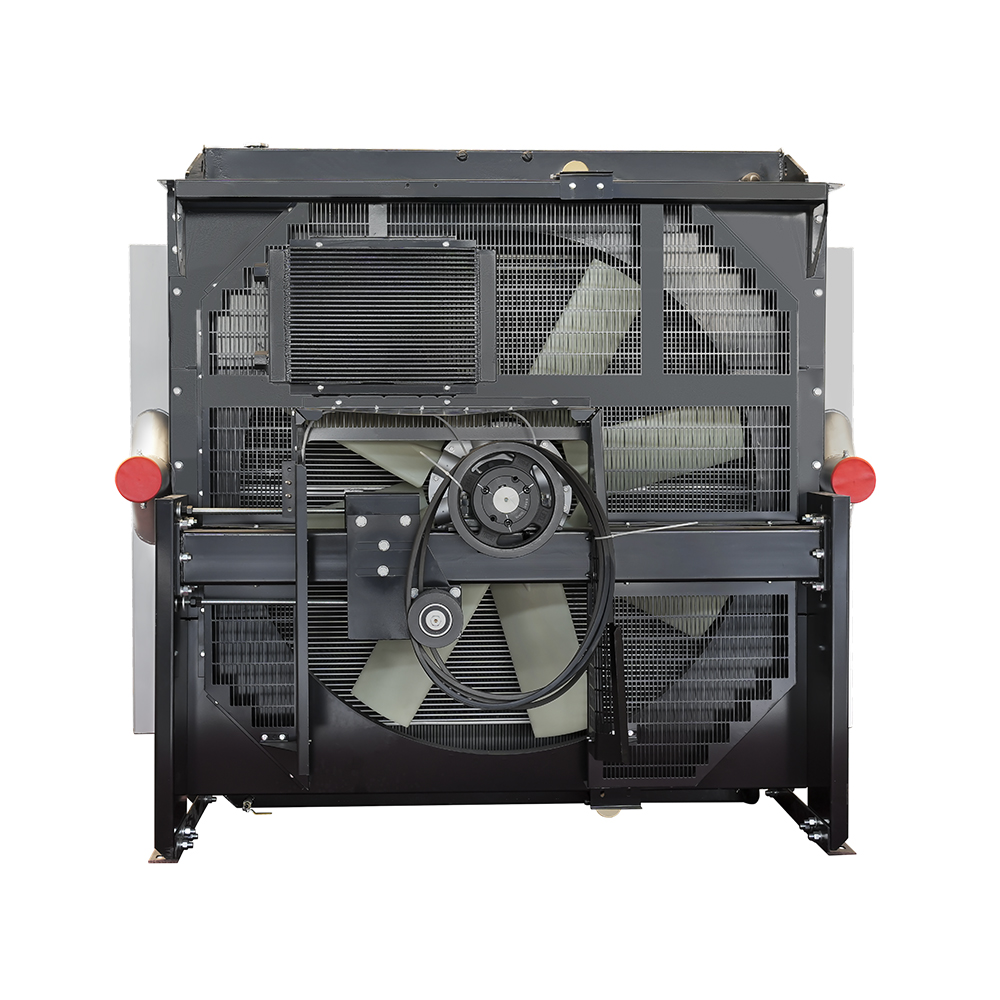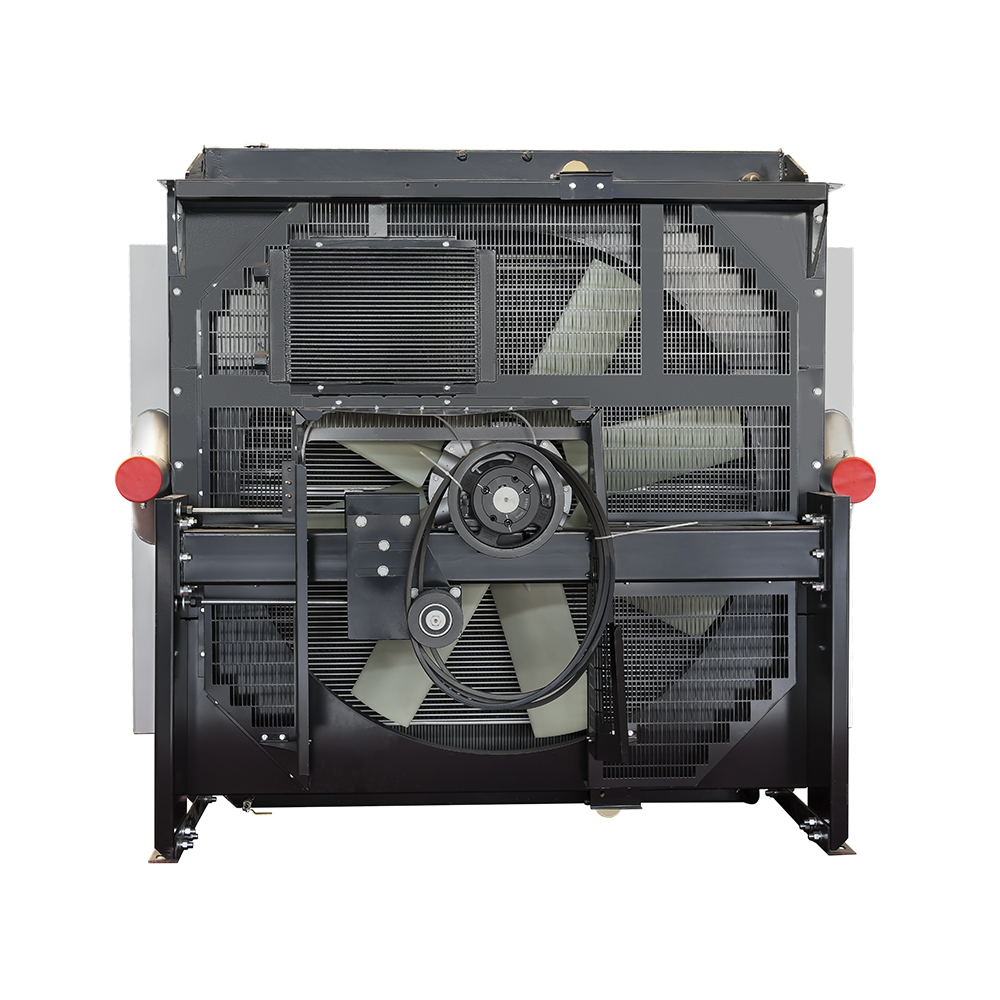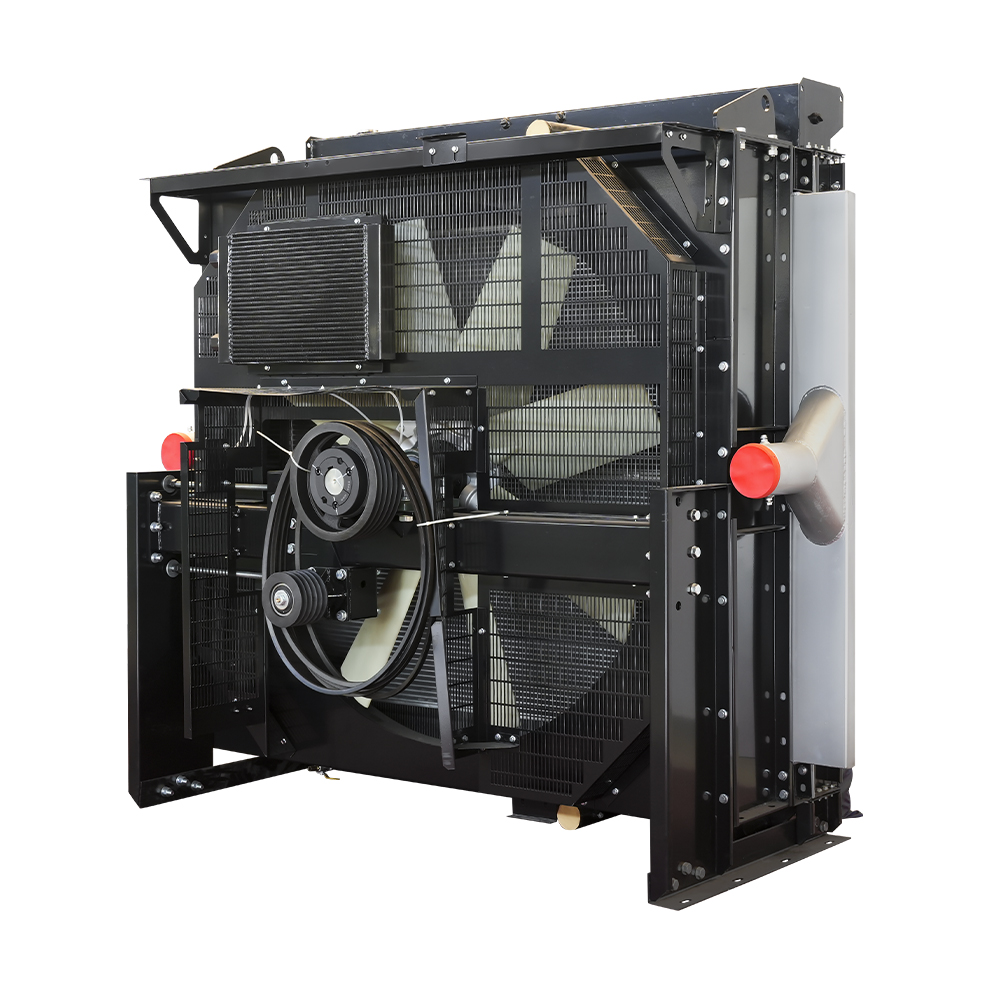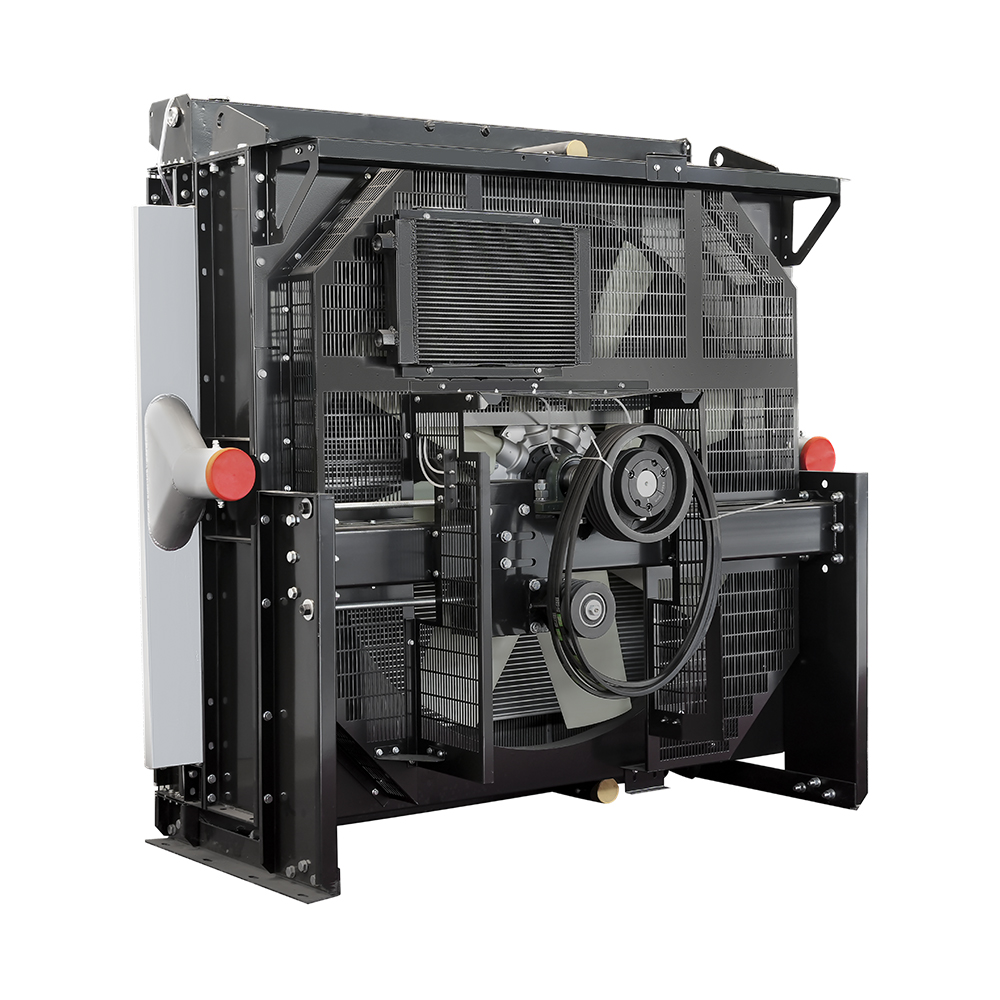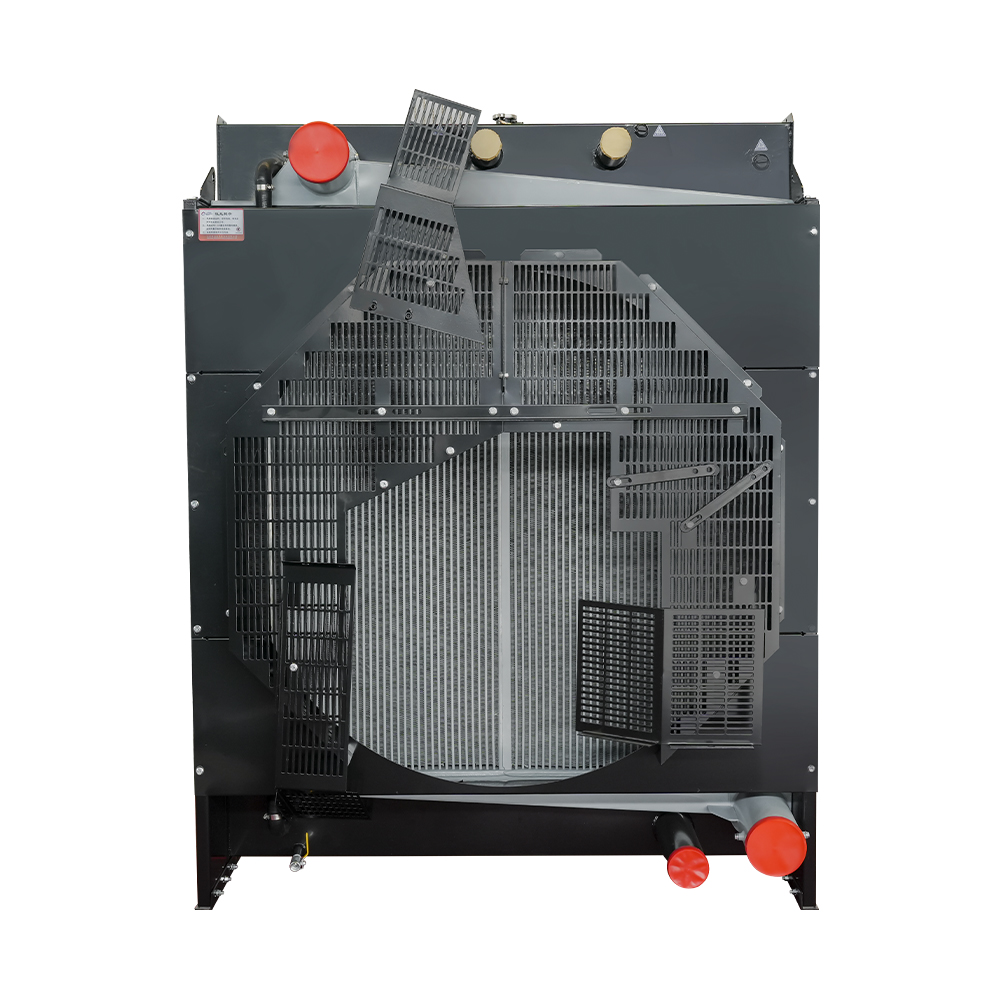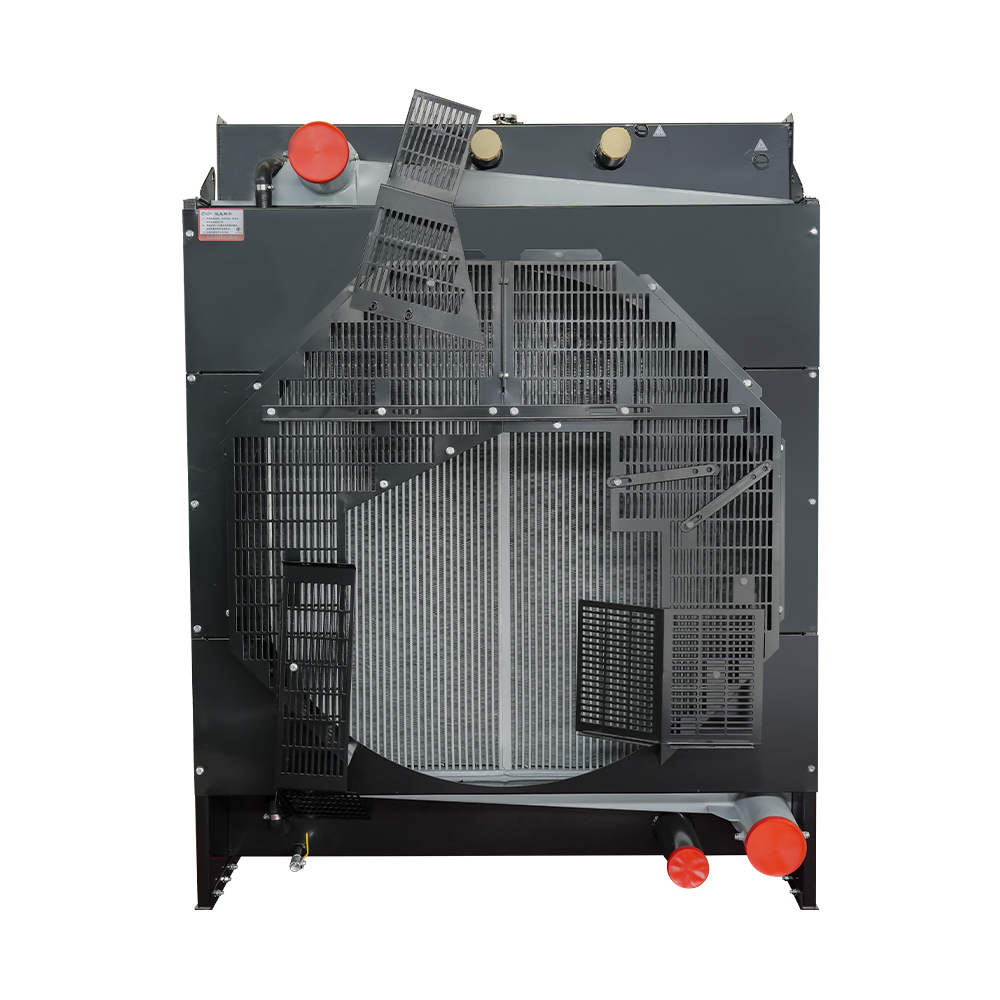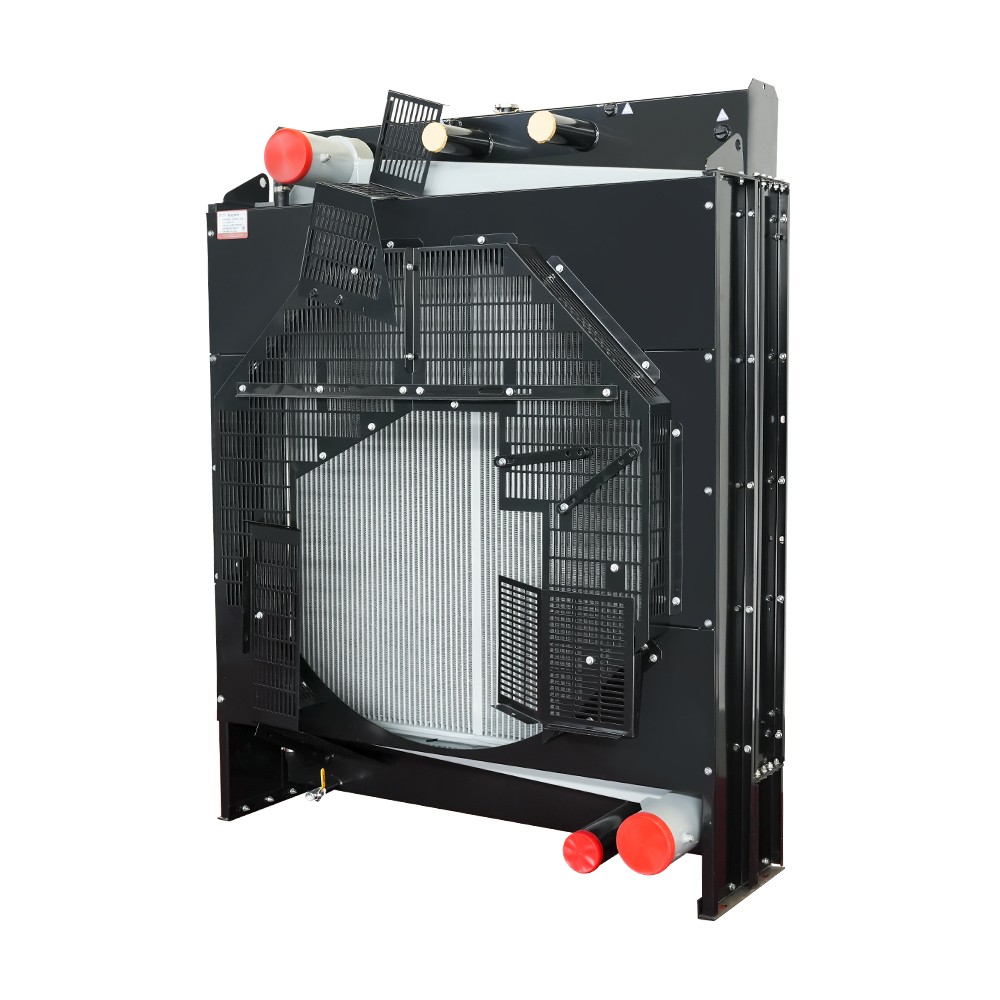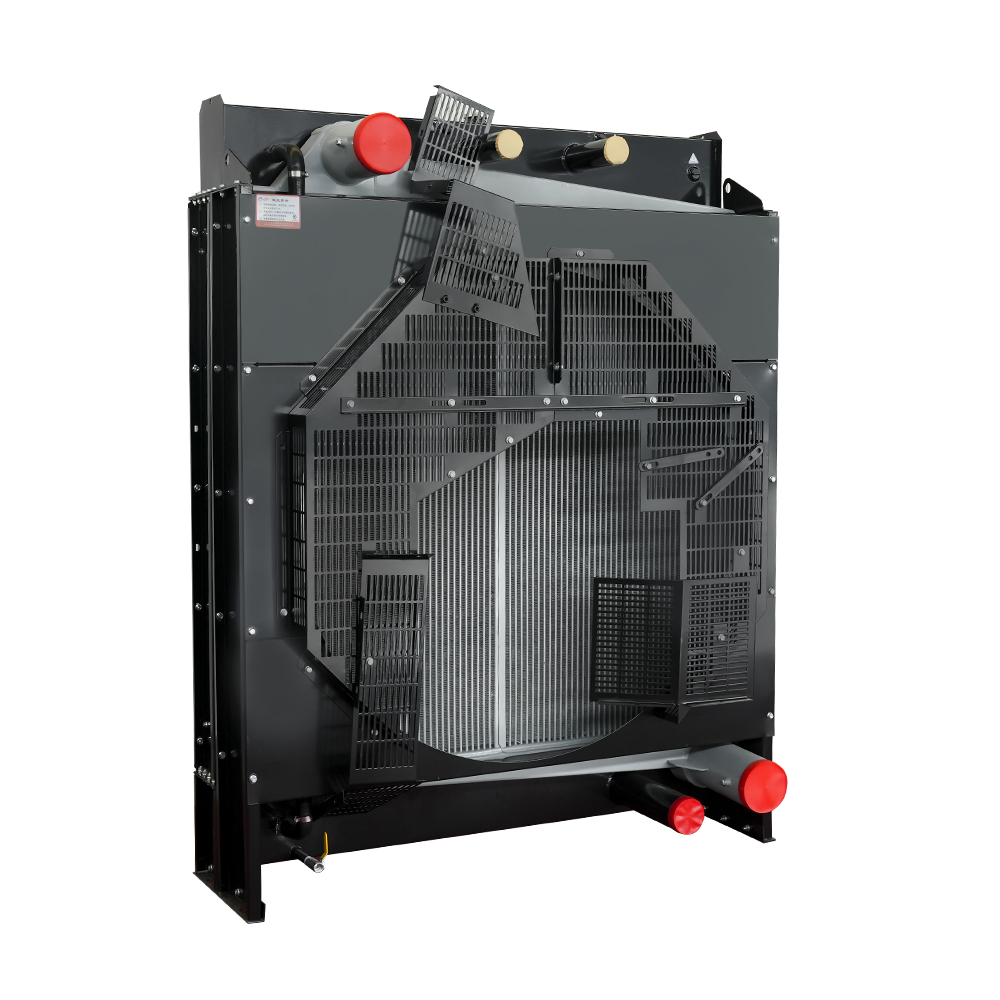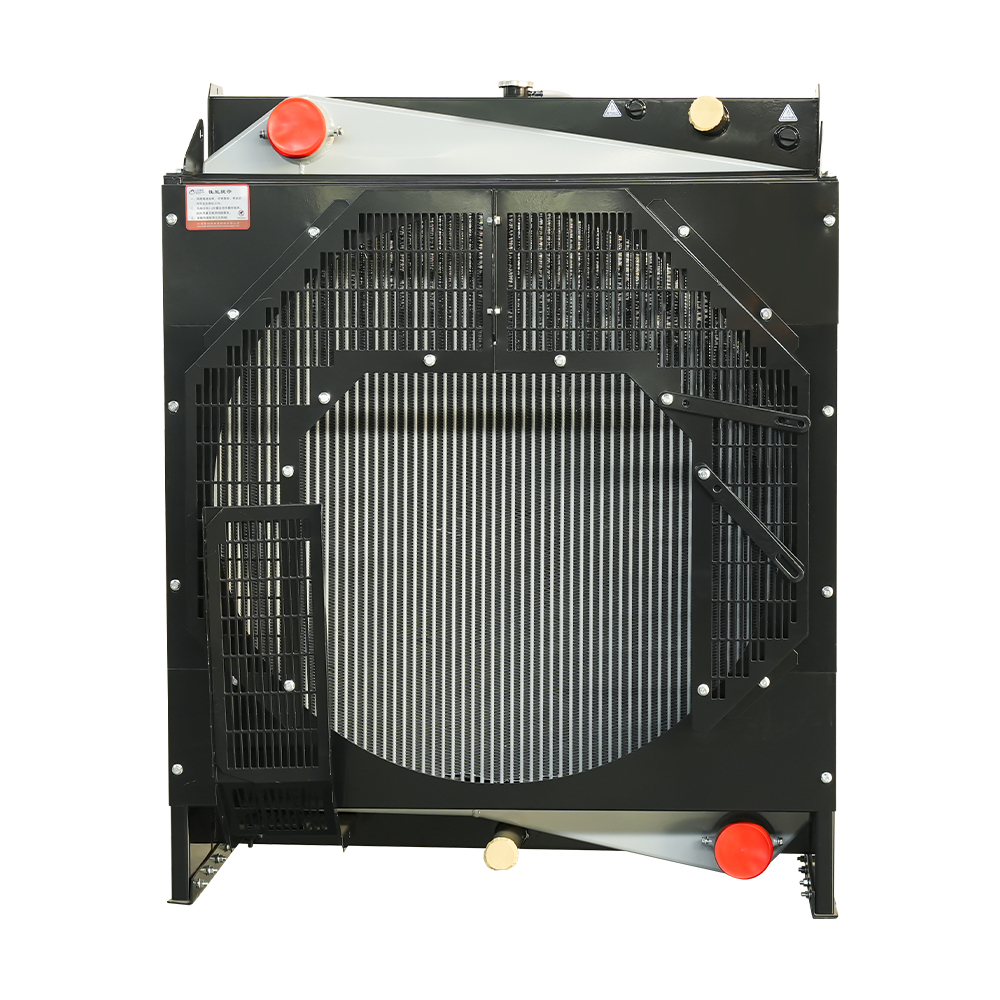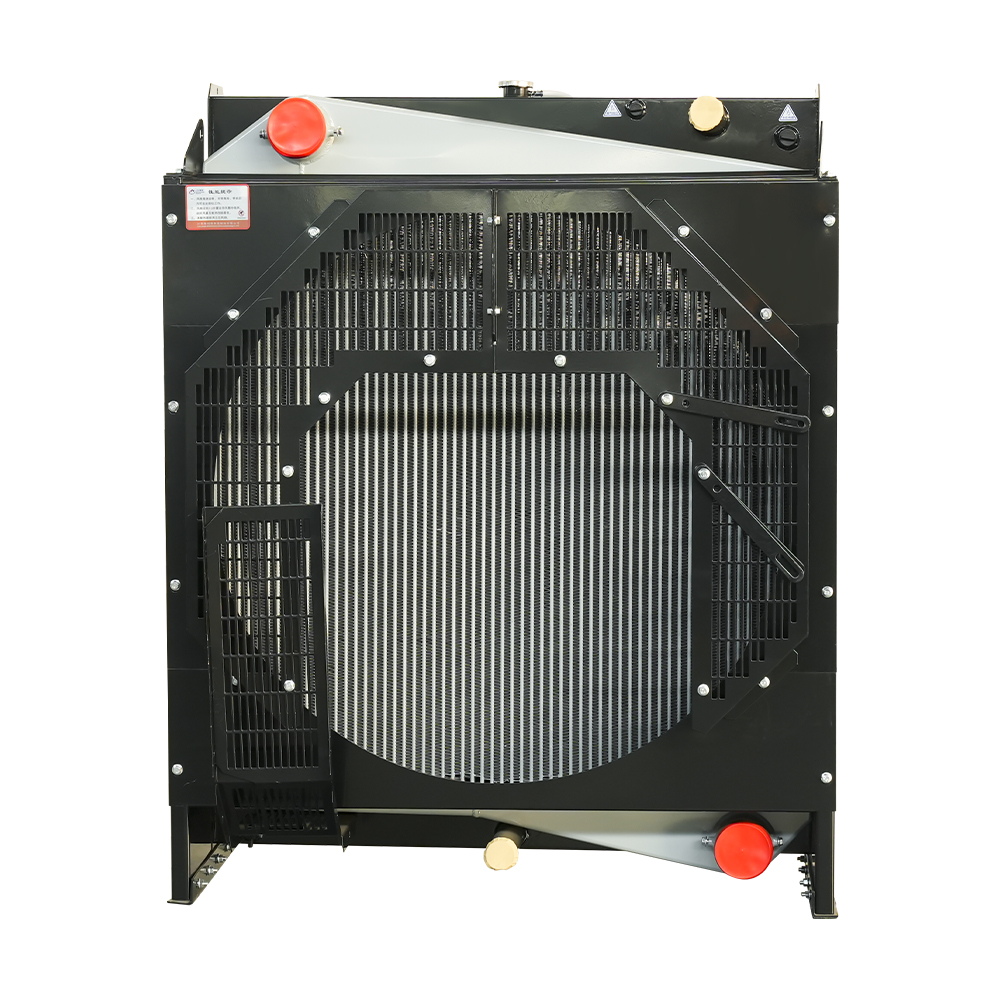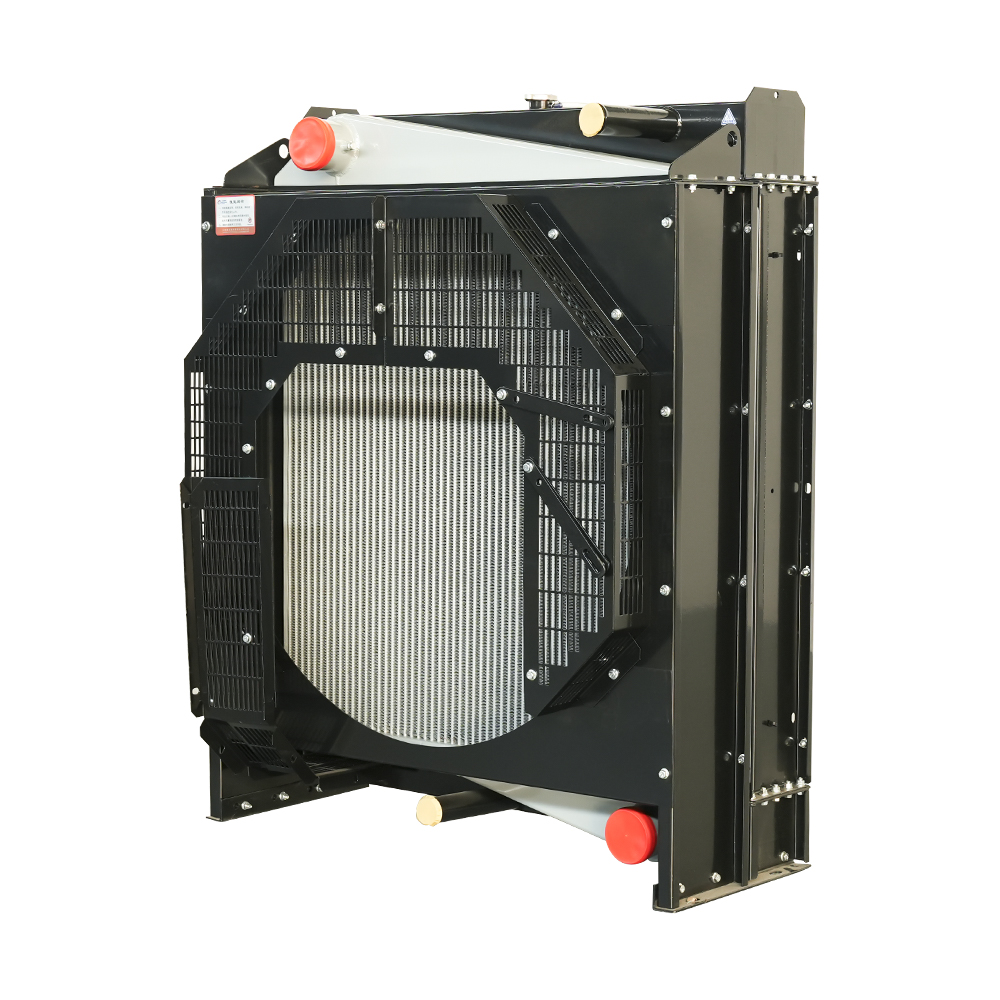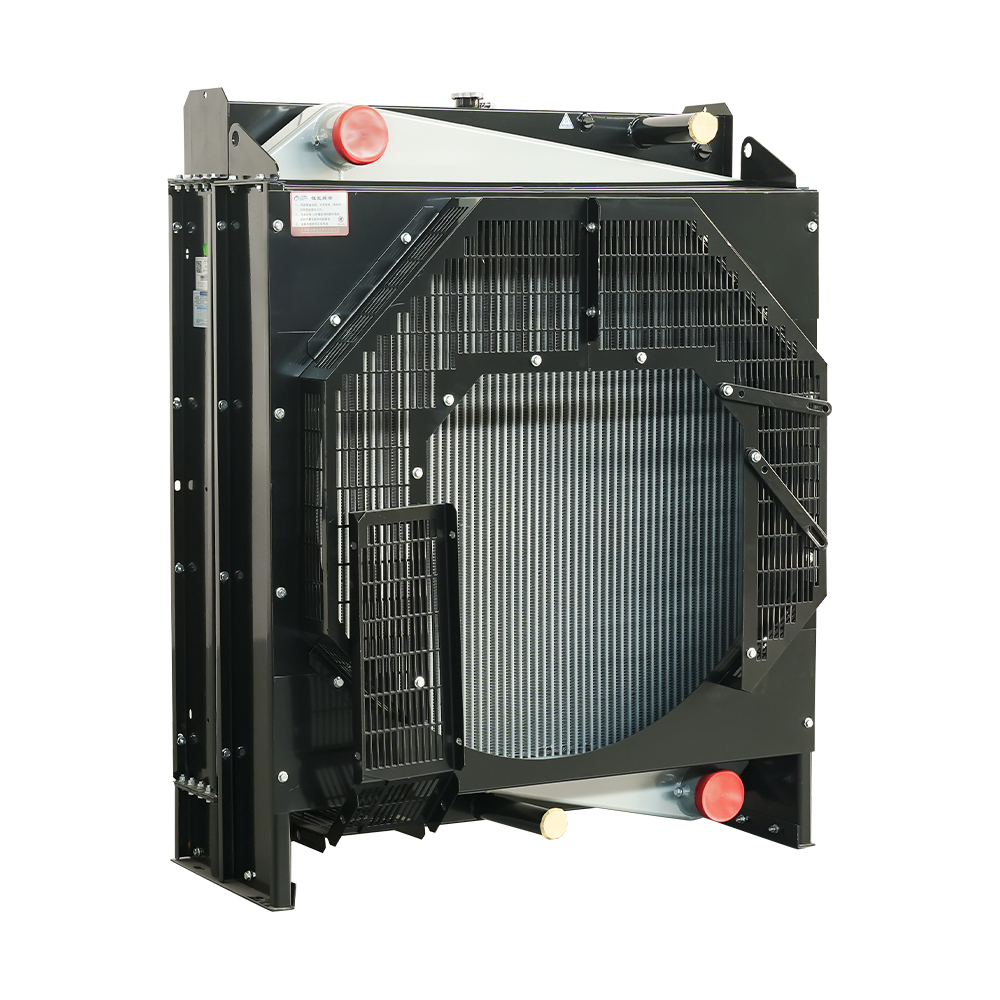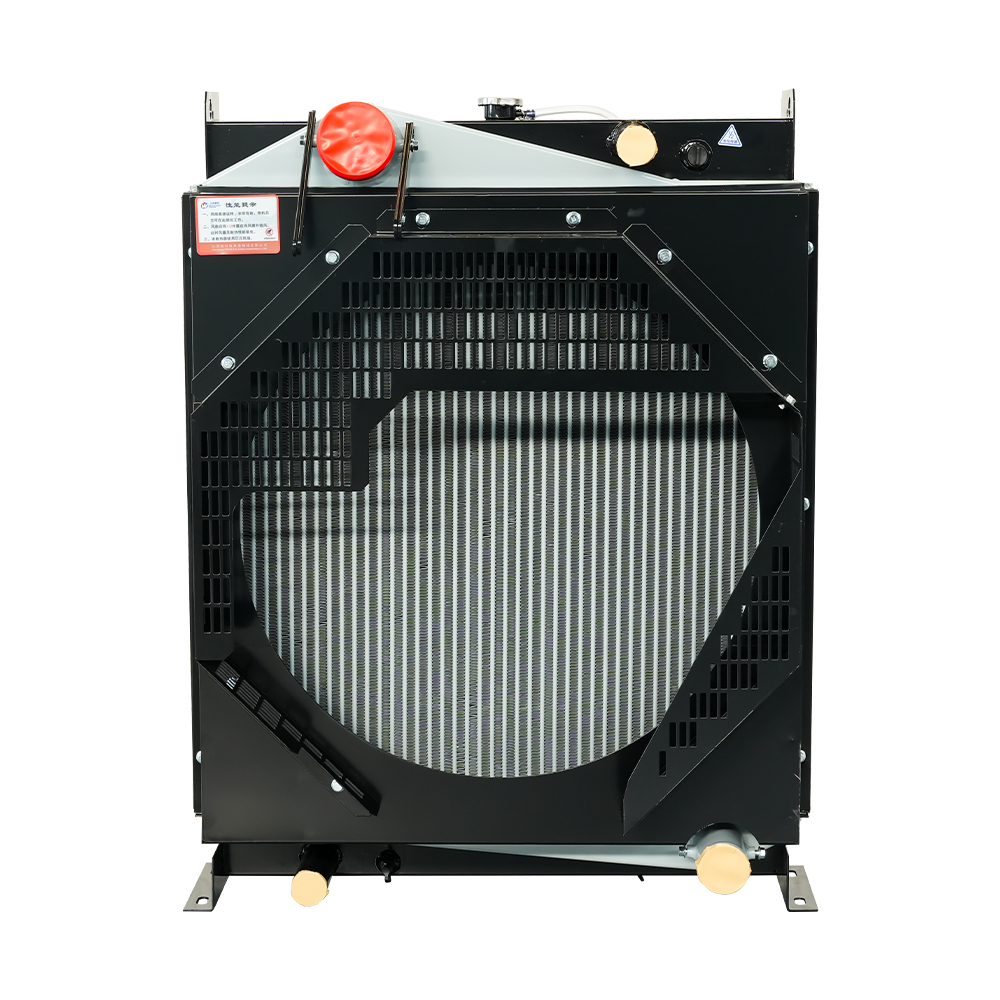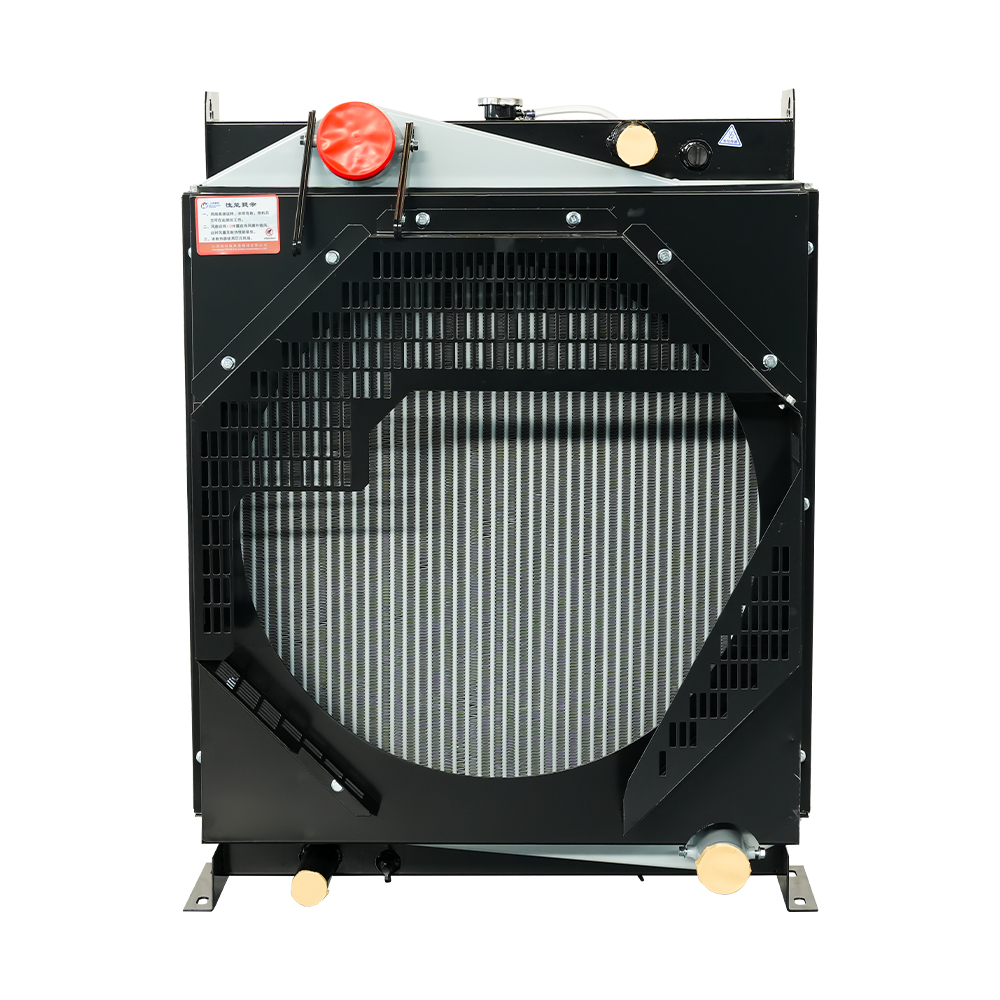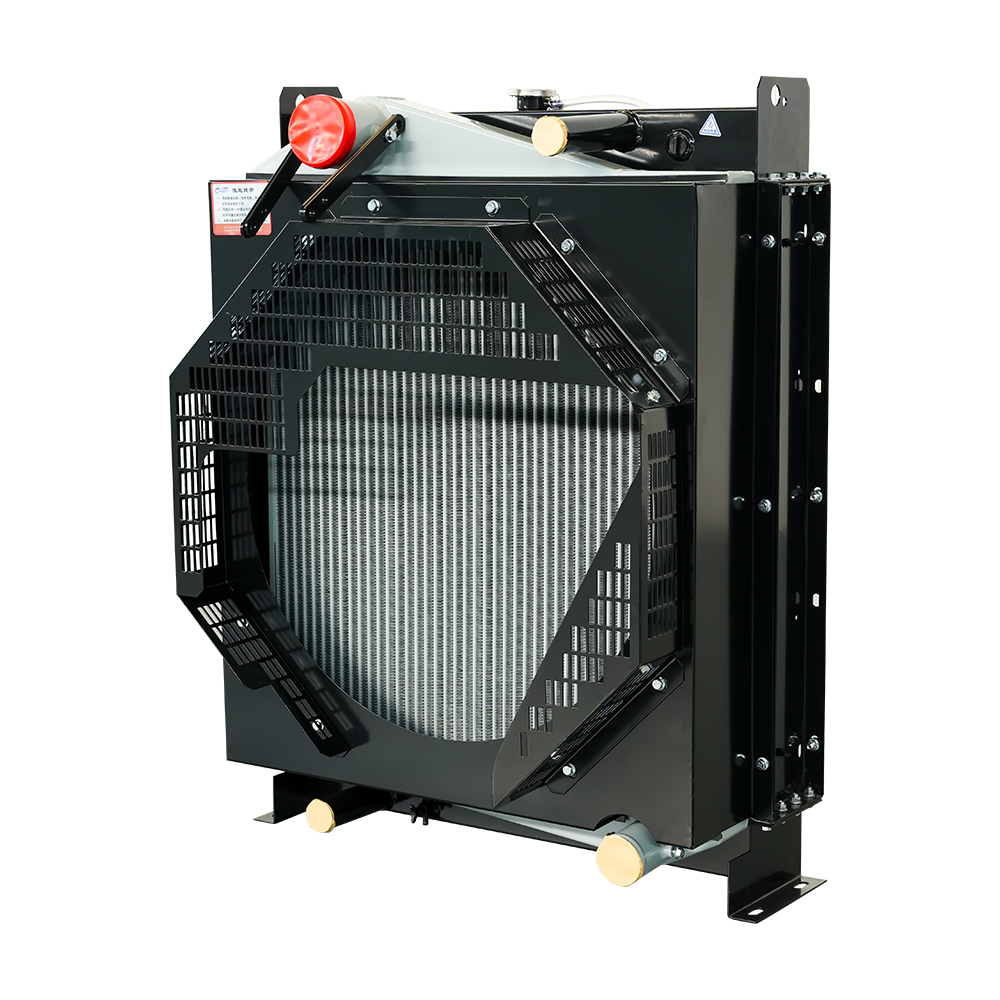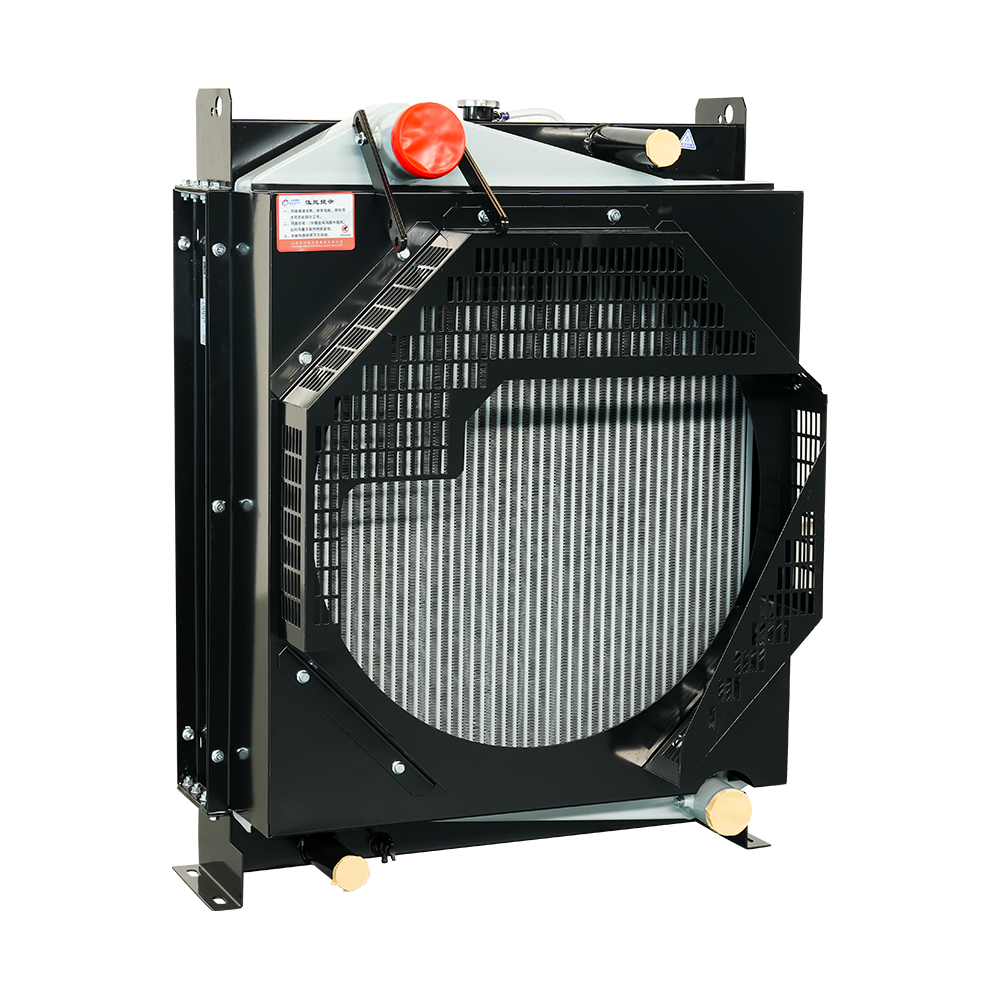

Prime Power Generator Radiators are designed for generator sets that run as the primary power source over extended periods, often in remote areas or off-grid installations. These radiators are engineered to handle continuous operation under varying loads, providing reliable cooling for diesel or gas engines. Constructed with heavy-duty aluminum or copper cores, they offer superior heat exchange and resistance to wear. Applications include mining camps, oil and gas sites, construction projects, and rural power generation. Prime power radiators minimize overheating risks, extend engine lifespan, and reduce maintenance frequency, ensuring stable power delivery in critical environments.
| Core Material | Aluminum / Copper / Hybrid for sustained performance |
| Cooling Capacity | 50 kW – 3000 kW |
| Core Dimensions | 800–2200 mm (H) × 500–1800 mm (W), customizable |
| Fin Structure | Tube-and-fin for high-efficiency airflow |
| Operating Temperature Range | -25°C to +55°C |
| Pressure Rating | 2.5–3.5 bar |
| Surface Treatment | Anti-dust and corrosion-resistant coating |
| Mounting Options | OEM replacement or integrated into prime power genset housing |
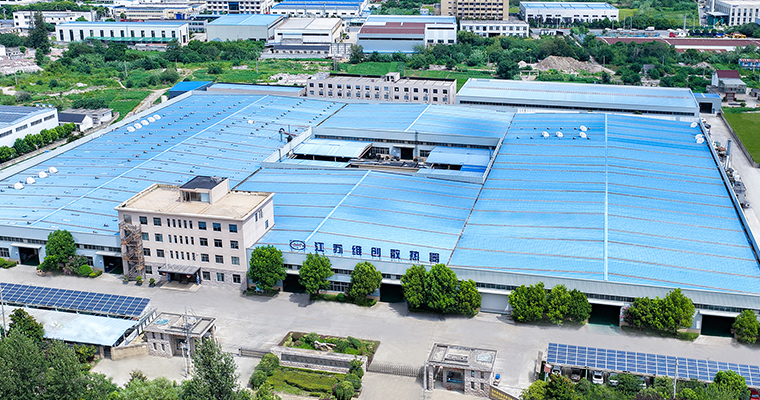
From our beginnings in generator set and radiator manufacturing in 2003, we've now expanded our business to over 30 countries with a workforce of more than 250 employees. As an established R&D and manufacturing enterprise for generator set radiators, OEM Prime Power Generator Radiators Manufacturers and Prime Power Generator Radiators Suppliers, operates two standardized production bases spanning over 60,000 square meters. With a technical team of 50+ core engineers, we have built a comprehensive industrial system covering R&D, production, and testing, achieving an annual production capacity of 150,000 units/sets. As Prime Power Generator Radiators Factory, Professional advanced sheet metal radiator manufacturing equipment to ensure the quality of the products, high efficiency and delivery guarantee.
News and Information
Industry Knowledge
Prime power generator radiators operate under sustained thermal stress, often running close to rated capacity for long hours or even around the clock. Unlike standby systems, these radiators must continuously reject engine heat without relying on cooldown periods. In real applications such as mining sites or remote industrial zones, insufficient core surface area or conservative airflow design quickly leads to elevated jacket-water temperatures and accelerated oil degradation.
From our experience manufacturing generator radiators since 2003, we’ve found that prime power projects benefit from higher fin density combined with wider tube spacing to balance heat transfer and fouling resistance. Supporting customers in over 30 countries has shown us that designing for “average load” is rarely enough—true reliability comes from sizing for peak ambient conditions with margin.
In prime power installations, airflow design directly determines radiator effectiveness. Continuous operation amplifies any inefficiency in fan performance, shroud sealing, or enclosure ventilation. Field measurements often reveal that poorly guided air bypasses the core instead of passing through it, reducing effective cooling area even when large radiators are installed.
Working with a team of more than 250 employees across manufacturing and testing, we routinely evaluate fan curves against real pressure-drop data. Personally, I’ve seen temperature stability improve simply by adding full-depth fan shrouds and sealing side gaps—small structural details that deliver measurable gains over thousands of operating hours.
Prime power generator radiators experience continuous thermal cycling as load fluctuates throughout the day. This makes tube-to-header joints and frame structures particularly vulnerable to fatigue. Aluminum cores are often favored for weight-sensitive installations, while copper-brass remains common in heavy-duty power stations where maximum heat transfer and repairability are priorities.
Since growing from a local radiator workshop into a global supplier serving more than 30 markets, we’ve learned that material choice should reflect not only climate but also service accessibility. In remote regions, we often recommend thicker tubes and reinforced frames to extend service intervals—an approach that aligns with our long-standing focus on practical reliability.
| Core Material | Typical Prime Power Site | Operational Advantage |
| Copper-Brass | Mining, power stations | High heat transfer, repairable |
| Aluminum | Commercial or modular plants | Lightweight, corrosion resistant |
For generators running continuously, coolant chemistry becomes a performance factor rather than a maintenance detail. Improper inhibitor levels lead to scale buildup inside tubes, reducing effective heat transfer area. Expansion tank sizing is also critical, as undersized tanks accelerate air ingress and promote oxidation during long operating cycles.
Across projects we’ve supported since 2003, we consistently advise routine coolant analysis and proper deaeration design. From our perspective as a manufacturer that started with generator sets and radiators and now serves global clients, disciplined coolant management often delivers more uptime than simply installing a larger core.
Prime power applications demand proactive radiator maintenance because there is rarely an opportunity for extended shutdown. Effective service planning includes online fin cleaning, vibration inspection of fan hubs, and infrared scanning of core surfaces to detect blocked sections. Designing radiators with accessible drain points and removable screens simplifies these tasks while the generator remains operational.
With a workforce of over 250 people supporting production and after-sales service, we always encourage operators to integrate radiator checks into their routine engine inspections. In my experience supporting international prime power projects, consistent airflow cleaning and having spare fan motors on site do more to protect continuous output than any single hardware upgrade—principles that reflect the innovative spirit and core values that have guided our growth since 2003.



 English
  русский
  Français
  Indonesia
  عربى
عربى  中文简体
中文简体