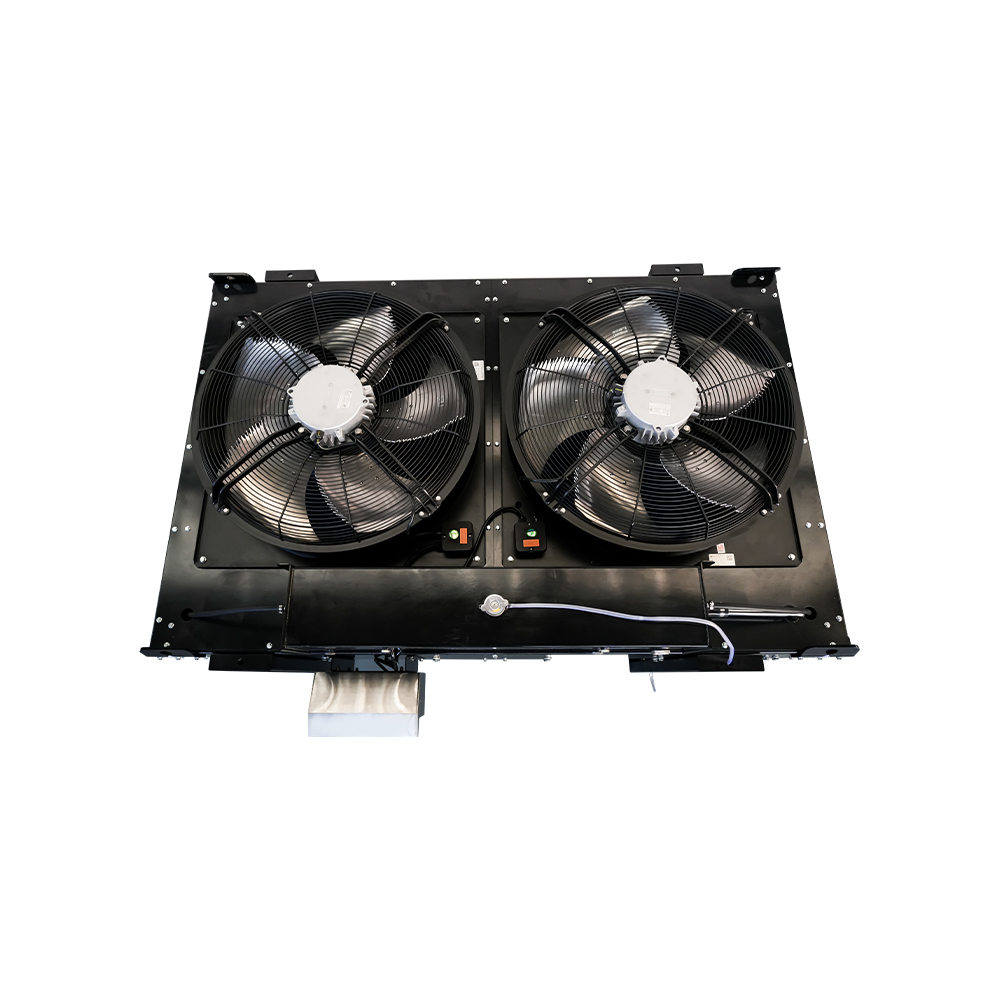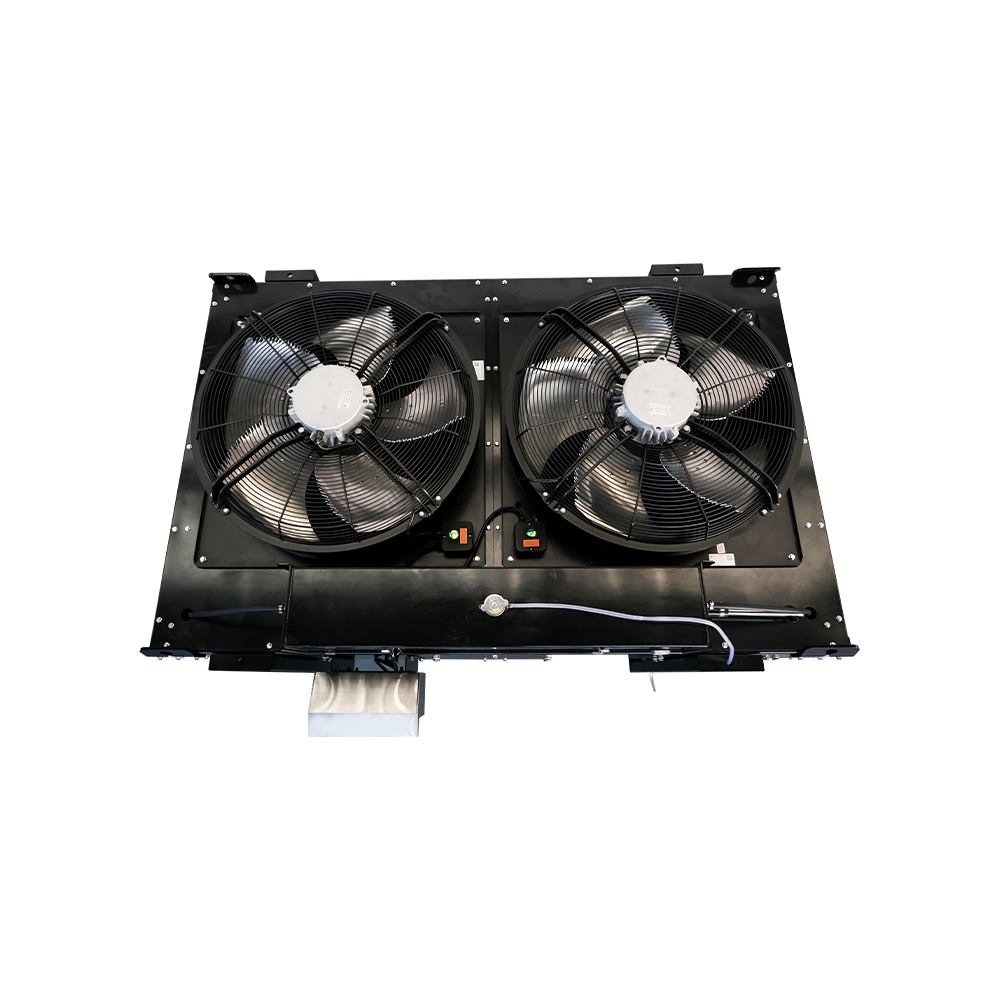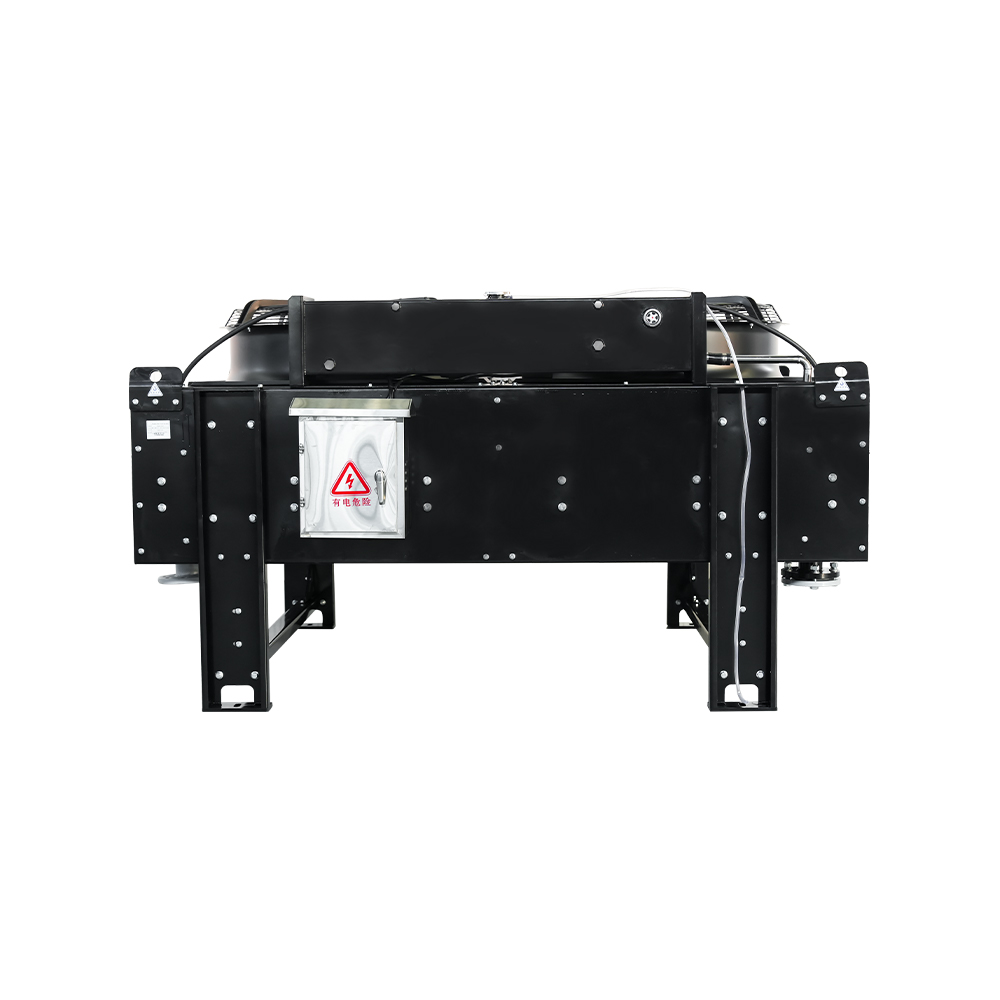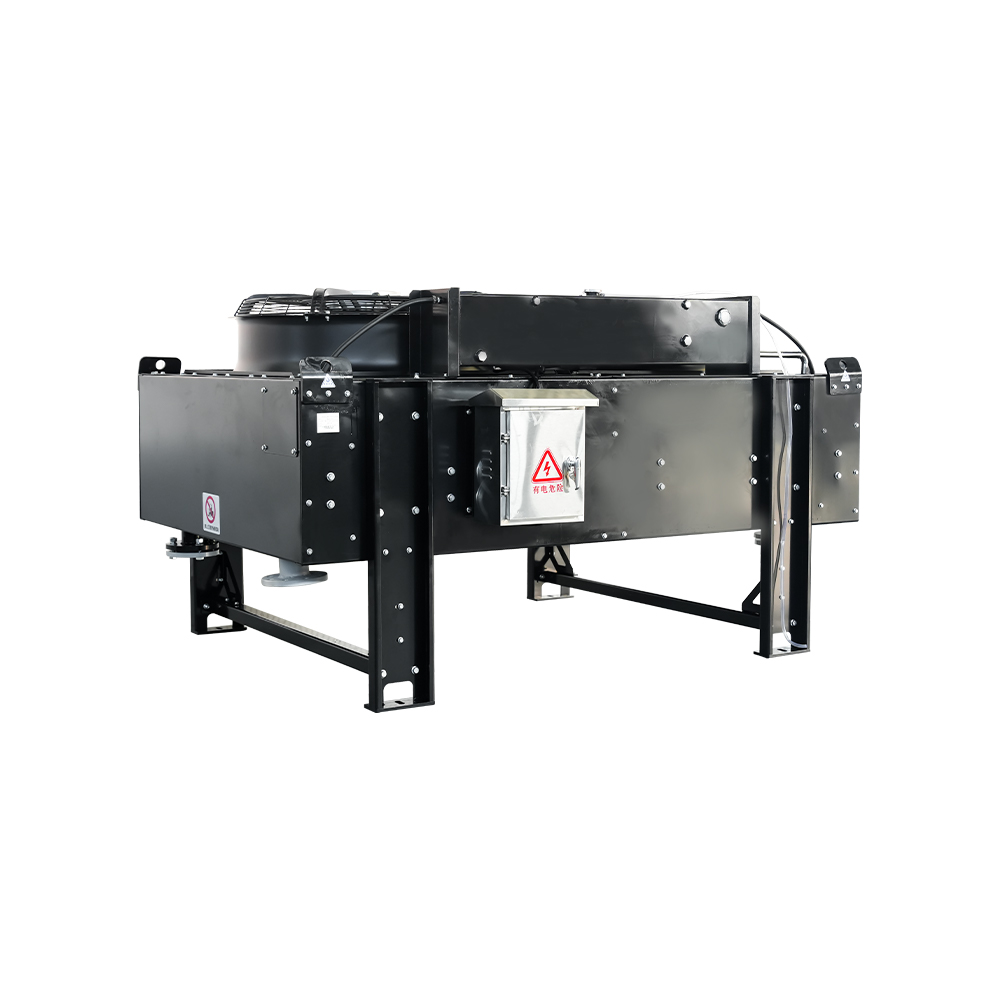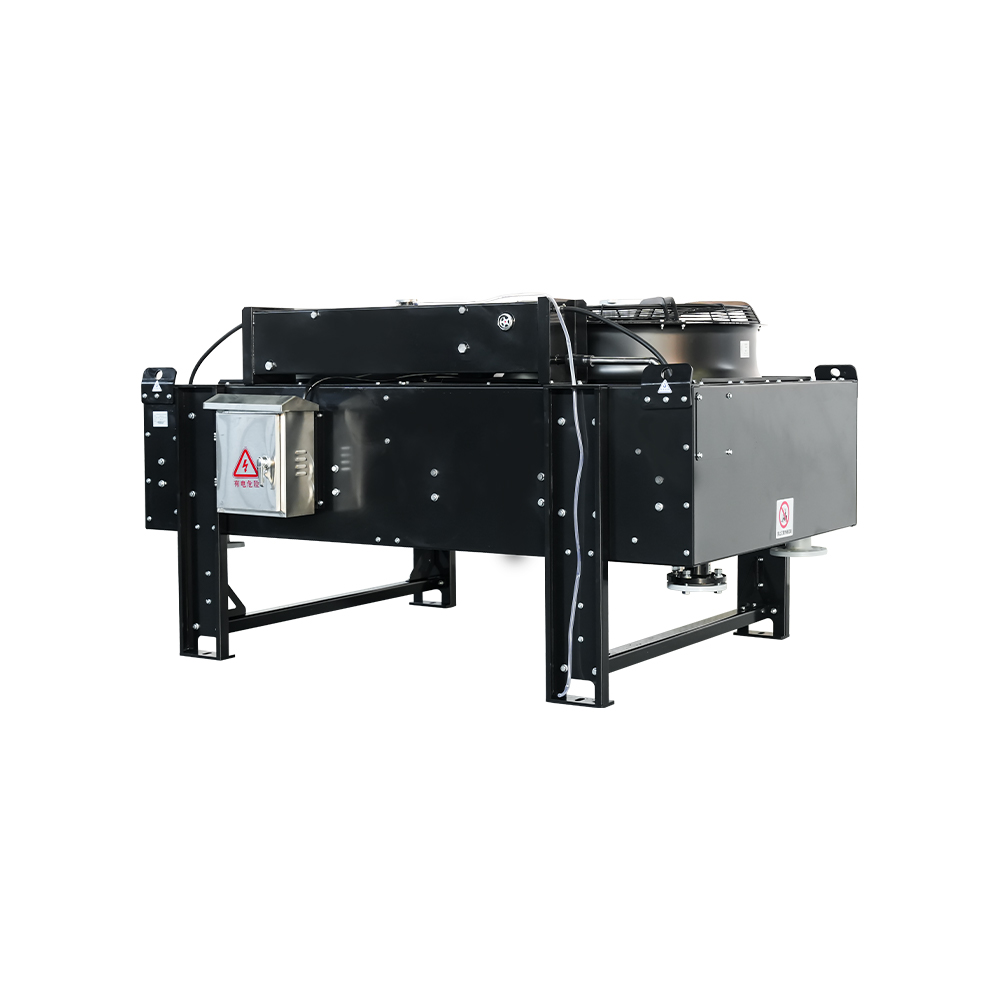
Remote radiators are designed to be installed away from the generator set, connected via coolant piping, to allow flexible installation in constrained or acoustically sensitive areas. Ideal for indoor generator rooms, they remove heat efficiently while keeping noise and exhaust outside the building. Available in multiple core sizes and airflow configurations to suit diverse site conditions.
| Core Material | Aluminum / Copper for flexible installation requirements |
| Cooling Capacity | 30 kW – 2500 kW |
| Core Dimensions | Custom-built to suit remote mounting spaces |
| Fin Structure | High-airflow plate-and-fin for long-distance cooling efficiency |
| Operating Temperature Range | -25°C to +50°C |
| Pressure Rating | 2.5–3.0 bar |
| Surface Treatment | Outdoor-grade anti-rust coating |
| Mounting Options | Skid-mounted, wall-mounted, or frame-mounted |
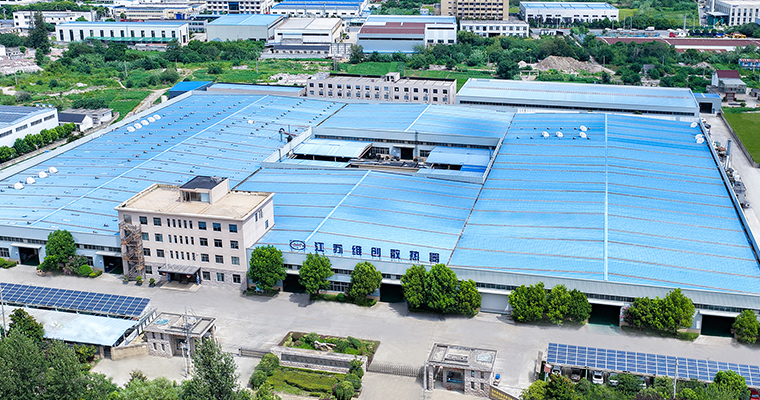
From our beginnings in generator set and radiator manufacturing in 2003, we've now expanded our business to over 30 countries with a workforce of more than 250 employees. As an established R&D and manufacturing enterprise for generator set radiators, OEM Remote Type Generator Radiators Manufacturers and Remote Type Generator Radiators Suppliers, operates two standardized production bases spanning over 60,000 square meters. With a technical team of 50+ core engineers, we have built a comprehensive industrial system covering R&D, production, and testing, achieving an annual production capacity of 150,000 units/sets. As Remote Type Generator Radiators Factory, Professional advanced sheet metal radiator manufacturing equipment to ensure the quality of the products, high efficiency and delivery guarantee.
News and Information
Industry Knowledge
In remote type generator radiator systems, physical layout matters more than many engineers expect. Unlike skid-mounted radiators, remote configurations introduce additional variables such as pipe length, elevation difference, airflow routing, and ambient temperature gradients. A common practical approach is rooftop or outdoor-frame mounting, which helps remove heat directly from enclosed generator rooms, but this also increases coolant circuit resistance and requires careful pump sizing.
From our own production and field feedback since 2003, we’ve seen that projects succeed when installers plan radiator placement together with piping paths, not as separate steps. At Weichuang, we often recommend keeping total equivalent pipe length within design limits and avoiding sharp elbows wherever possible. After supplying radiator solutions to more than 30 countries, these small layout optimizations consistently translate into lower operating temperatures and longer engine life.
Remote type generator radiators rely heavily on balanced coolant flow. As distance increases between engine and radiator, pressure drop rises, often requiring auxiliary pumps or upgraded engine-driven pumps. Engineers also need to account for static head when radiators are mounted above generator level, which can significantly affect startup circulation.
In practice, flow instability is one of the most overlooked issues. We usually advise incorporating expansion tanks with proper deaeration and using flexible connectors near the engine to absorb vibration. With over 250 employees supporting manufacturing and testing, our team regularly validates flow performance under simulated site conditions before shipment—something we quietly take pride in as part of our legacy.
Material selection directly affects the lifespan of a remote type generator radiator. Copper-brass cores provide excellent thermal conductivity but may require more maintenance in aggressive environments. Aluminum cores offer lighter weight and corrosion resistance, making them suitable for coastal or humid regions. Frame materials also matter—powder-coated steel is common, while stainless steel is preferred for chemical plants or marine installations.
Having evolved from a generator radiator workshop into a global manufacturer since 2003, we’ve learned that matching materials to site conditions reduces total ownership cost far more than simply choosing the lowest upfront price. In our own projects, we often suggest customized fin density and tube thickness based on dust load and ambient heat.
| Core Material | Typical Application | Key Advantage |
| Copper-Brass | Industrial power stations | High thermal efficiency |
| Aluminum | Commercial buildings | Lightweight, corrosion resistant |
Modern remote radiator installations increasingly integrate with generator controllers. Temperature sensors, fan inverters, and alarm outputs allow operators to fine-tune cooling performance in real time. Instead of running fans at full speed continuously, staged or variable control reduces energy consumption and acoustic output.
Across the international projects we’ve supported, smart cooling strategies typically cut auxiliary power usage while improving temperature stability. From our perspective as a manufacturer serving global clients, these integrated solutions are becoming standard expectations rather than optional upgrades.
Remote type generator radiators demand a different maintenance mindset compared with close-coupled systems. Access platforms, washable filter screens, and drain points should be considered during design, not after commissioning. Routine inspection of hose joints and expansion tanks helps prevent gradual coolant loss that often goes unnoticed until overheating occurs.
Drawing on experience built with a dedicated workforce of over 250 people, we always encourage clients to establish seasonal cleaning schedules and keep spare fan motors on hand. These practical habits, more than any single component choice, keep generator cooling systems dependable year after year—and they reflect the long-term thinking that has guided our growth from a local factory to a trusted supplier worldwide.



 English
  русский
  Français
  Indonesia
  عربى
عربى  中文简体
中文简体