


 English
  русский
  Français
  Indonesia
  عربى
عربى  中文简体
中文简体


Diesel Generator Components: Engine, Alternator, Cooling, Sizing, and Maintenance Guide
Content
- 1 What Counts as a Diesel Generator Component
- 2 Engine and Fuel Path Components
- 3 Alternator, Excitation and Control Components
- 4 Cooling System Components and How They Fail
- 5 Matching Components to Ambient and Site Conditions
- 6 Enclosure, Airflow and Mobile Applications
- 7 Cross-Referencing and Replacing Components
- 8 Maintenance Intervals for the Components That Matter Most
- 9 Frequently Asked Questions
A 500 kVA standby set at a municipal pumping station can log 14,000 running hours without a mechanical failure, then lose three weeks of readiness because the replacement radiator arrived with its inlet 15 mm off centre. Diesel generator components behave that way: each part looks simple on its own, and the set only performs when the parts match each other.
Only about a third of the energy in a litre of diesel leaves a generator as electricity. The rest becomes heat, and that heat must be carried away from the engine and the alternator by components sized for a specific ambient temperature, a specific load profile and a specific number of running hours per year.
Key point: a diesel generator is a matched assembly. The engine sets the torque, the alternator turns that torque into electrical power, and the cooling package decides how long both will survive on site.
This guide groups diesel generator components by function, by the failure signals they produce, and by the specification details that decide whether a replacement part actually fits.
What Counts as a Diesel Generator Component
Diesel generator components fall into seven functional groups: engine, alternator and excitation, fuel delivery, cooling, exhaust, control and protection, and the structural baseframe and enclosure.
A diesel generator set (genset) is a packaged assembly in which a compression-ignition engine drives a synchronous alternator at 1500 rpm for 50 Hz power or 1800 rpm for 60 Hz power, delivering a controlled voltage and frequency.
The table below maps each group to its job and to the first symptom that appears when it starts to fail.
| Component group | Primary function | Early warning sign |
| Engine and rotating assembly | Turns fuel energy into shaft torque | Rising oil use, blue exhaust, knock under load |
| Alternator and excitation | Turns torque into electrical output at rated voltage | Voltage drift, higher excitation current, hot windings |
| Fuel delivery | Stores, filters and meters fuel to the injectors | Hard starting, derate under load, blocked filters |
| Cooling system | Rejects engine and alternator heat to the air stream | Coolant loss, high temperature alarm, belt squeal |
| Exhaust system | Vents combustion gas and controls noise | Rising backpressure, soot at joints, hotter gas |
| Control and protection | Holds voltage and frequency, trips the set on fault | Nuisance trips, fail-to-start, sensor drift |
| Baseframe and enclosure | Aligns the drivetrain, guides airflow and sound | Vibration, corrosion, restricted air path |
One number ties the list together. A 400 kWe engine at full load rejects roughly 100 to 130 kW into the coolant circuit, and the radiator has to move that heat into air at the hottest ambient temperature the site will ever see, not the temperature on the day the set was ordered.
Engine and Fuel Path Components
Engine and fuel components set the ceiling on how much load the set picks up in one step and how cleanly it runs at part load.
Fuel delivery
- Storage tank, vent and bund sized for 8 to 24 hours of running
- Day tank, transfer pump and level switches
- Primary filter and water separator at 10 to 30 micron
- Secondary filter at 2 to 5 micron, high-pressure pump and injectors
A 400 kWe set burns about 90 to 100 litres of diesel per hour at full load, so tank volume and filter capacity are load questions, not plumbing details.
Lubrication and intake
The oil pump, full-flow filter, oil cooler, turbocharger and air filter keep the rotating assembly alive. Intake restriction above 25 mbar costs 2 to 4 percent of rated power and shows up first as black smoke under load, while oil sampling every 500 hours catches bearing wear long before the pressure gauge moves.
Rule of thumb: if a set hunts under load and smokes white at start-up, check the fuel-side restriction gauge before pulling the injectors. A primary filter sitting at 0.5 bar of vacuum is the cheapest fault on the list.
Alternator, Excitation and Control Components
The alternator, its excitation system and the controller turn engine torque into stable power and shut the set down before an electrical fault becomes a mechanical one.
Alternator and AVR
A brushless exciter with rotating diodes and an automatic voltage regulator holds output within about plus or minus 1 percent from no load to full load. Class H insulation with a class F temperature rise leaves thermal headroom for a 40 C site, and sealed bearings commonly run 20,000 to 40,000 hours, while regreasable bearings need service every 2,000 to 4,000 hours.
Control and protection
- Over and under voltage, overcurrent and short circuit
- Low oil pressure and high coolant temperature
- Over-speed, under-speed and fail-to-start
- Automatic transfer switch logic and battery charger status
A set that trips on high coolant temperature is not misbehaving. The sensor is doing exactly its job, and the fault is usually two metres away: a core packed with dust or a belt running 15 mm of deflection instead of 10.
Cooling System Components and How They Fail
Cooling components carry the largest single block of waste heat in a genset and cause more unplanned downtime than any electrical part.
The coolant path
- Water pump, drive belt and tensioner
- Thermostat and bypass circuit
- Radiator core in tube-and-fin, plate-and-fin or all-aluminium construction
- Pressure cap, typically 0.9 bar, which lifts the boiling point of a 50/50 glycol mix to about 120 C
- Expansion tank, hoses, clamps and block heater
Suppliers such as Jiangsu Weichuang Radiator Manufacturing Co., Ltd. (Weichuang) build the same cooling package as an open radiator or as a sealed heat exchanger for marine and offshore units, where seawater replaces the air stream.
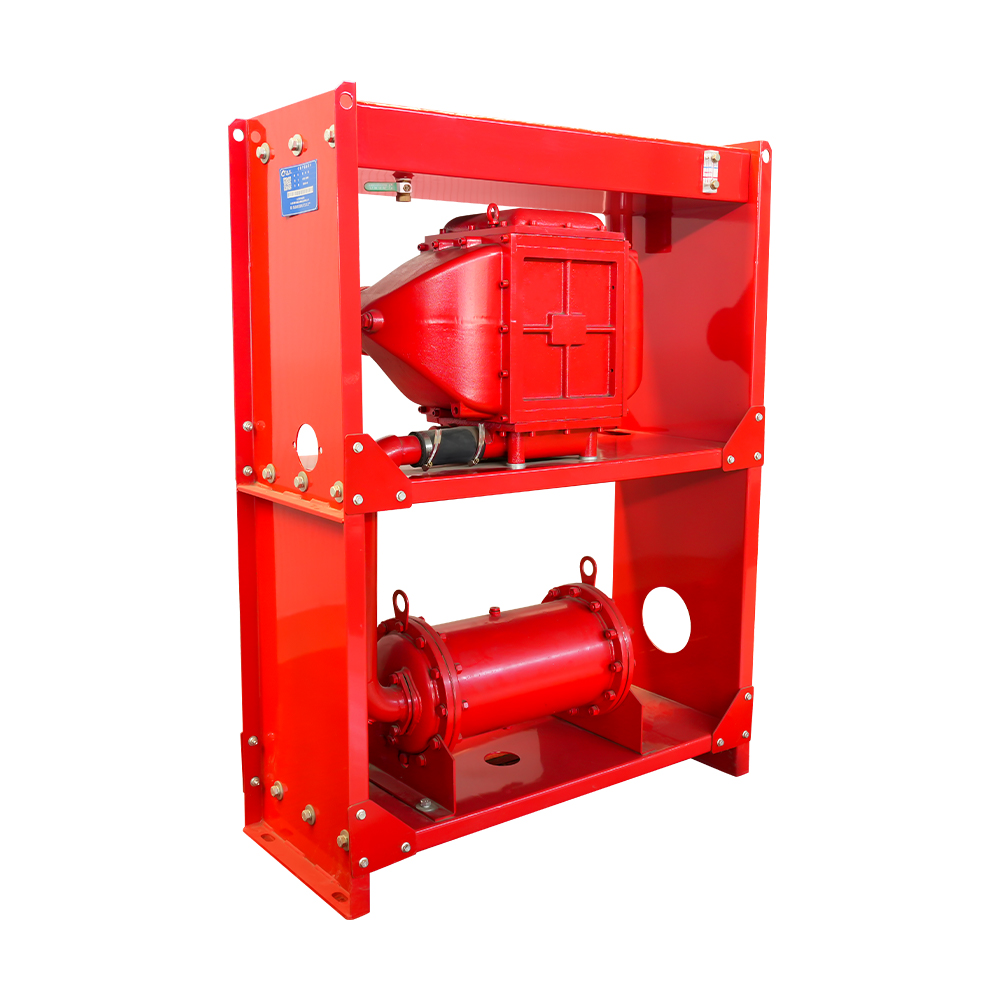 Heat Exchanger ManufacturersDesigned for liquid-to-liquid cooling, these units transfer heat from the engine coolant to an external water source, such as a cooling tower or raw water system. Idea...View Product →
Where the heat actually goes
Radiator capacity follows air mass flow, not core dimensions alone. A core that is 15 percent smaller but sees clean air at 6 m/s outperforms a larger core starved by a louvre panel sitting 200 mm in front of it.
Matching Components to Ambient and Site Conditions
Ambient temperature, altitude, salt and dust change component selection more than engine brand does.
Standard radiators are sized for a 40 C design ambient at sea level. At 2,000 m, air density falls by roughly 20 percent, so the fan moves less mass and radiator capacity drops before the engine derates. Turbocharged engines lose about 2 percent of rated power for every 300 m above 1,000 m, and the cooling package has to be re-sized separately.
- Epoxy or polyurethane coating on the core
- Stainless fasteners, clamps and fan guards
- Core wash-down every 500 hours
- Sacrificial anodes in seawater circuits
- 50 C design ambient with an oversized core
- Fin pitch widened to 2.5 to 3.5 mm to slow dust blockage
- Sealed fan bearings and heavy-duty belt tensioner
- Dust pre-cleaner ahead of the air filter
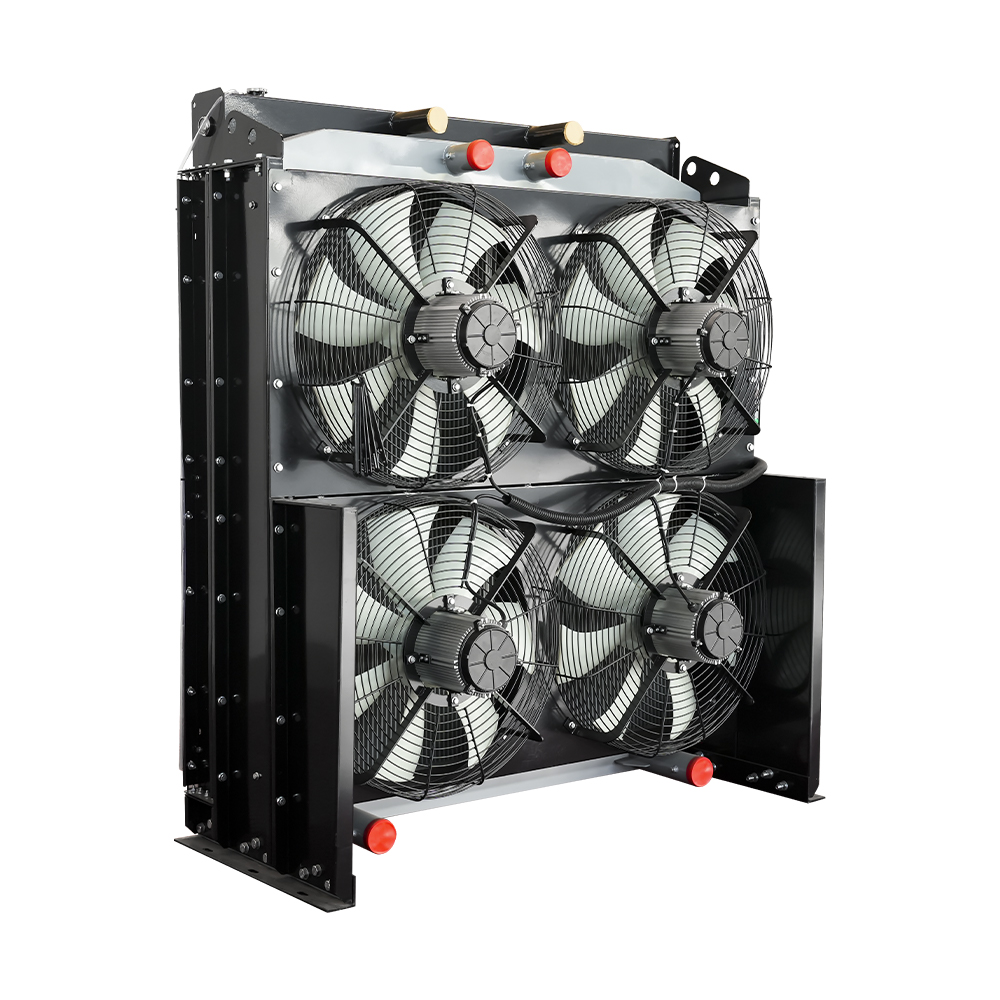 Desert High-Temperature Generator Radiators ManufacturersDesigned for extreme heat, these radiators feature enlarged cores, high-capacity fans, and special heat-resistant coatings. They maintain stable engine temperatures in...View Product →
Specify the cooling package against the hottest week of the year on site, not the annual average. A 5 C underestimate on ambient can remove 8 to 10 percent of a set's usable rating and put the high coolant temperature alarm within reach on the first hot afternoon.
Enclosure, Airflow and Mobile Applications
Enclosures, skids and mobile platforms change cooling requirements more than most buyers expect.
A canopy that removes 10 dB(A) of noise typically cuts radiator airflow by around 20 percent. Silent packages answer that with a larger core, a lower-speed fan with more blades, or a remote radiator mounted outside the acoustic envelope.
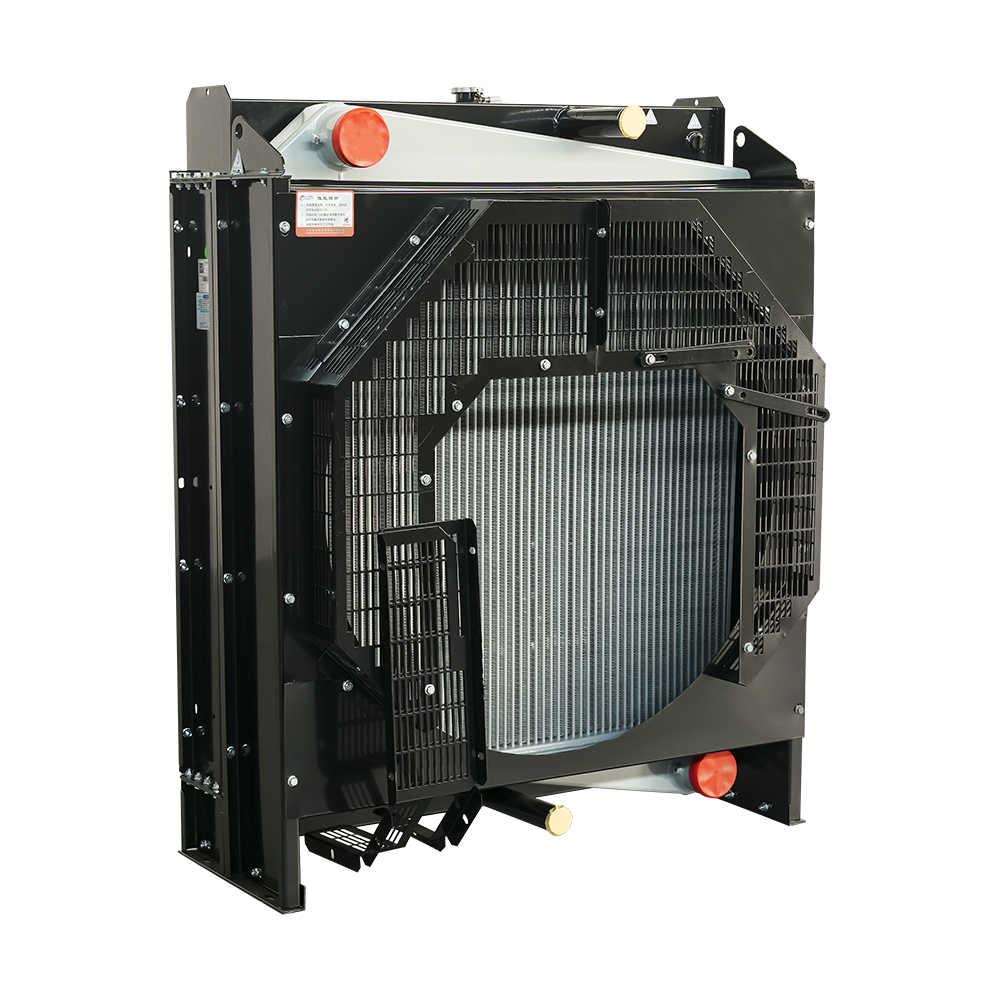 Silent Generator Radiators ManufacturersSilent Generator Enclosure Radiators are integrated cooling solutions designed for soundproofed generator sets. These radiators maintain optimal engine temperatures wh...View Product →
When a set is re-rated inside an enclosure, the engine stays the same and the cooling package has to grow. A standard radiator mounted behind an acoustic baffle is the most common cause of overheating complaints reported by rental fleet operators.
Cross-Referencing and Replacing Components
Replacement radiators are matched by dimensions and connection points, not by part numbers.
- Core size: height, width and depth in millimetres
- Inlet and outlet diameter, position and angle
- Tank material and header plate thickness
- Fin pitch and number of tube rows
- Mounting bracket hole pattern and overall frame width
- Fan shroud diameter and fan-to-core clearance, normally 15 to 25 mm
- Pressure cap rating and thread type
An OEM part number is a starting point for a cross-reference, never a confirmation. Two radiators can share a part number family and still differ by 20 mm in core width, which is the difference between dropping into the base frame and cutting it.
Confirm the structure type before ordering as well, because plate-and-fin and tube-and-fin cores trade heat rejection per unit of volume against dust tolerance and repairability. This guide to generator radiator structures and material types compares both designs side by side.
Ask for a dimensional drawing with the quotation. A 15 mm offset on the inlet will not line up with a moulded hose, and a core that is 20 mm too wide will not sit between the base frame rails.
Maintenance Intervals for the Components That Matter Most
Cooling and fuel components usually fail on a schedule you can predict; electrical components often fail without warning.
- 250 hours: check the cold coolant level, belt deflection (about 10 mm on a 300 mm span) and debris on the core face.
- 500 hours: sample coolant for glycol concentration and inhibitor level, replace fuel filters, check fan bearing play.
- 1,000 hours: pressure-test the cap, wash the core from the fan side, inspect hoses and clamp torque.
- 2,000 hours or two years: replace coolant, test the thermostat opening temperature and inspect the water pump seal.
- 10,000 to 12,000 hours: plan a recore or replacement. Cores in dusty or coastal service rarely reach 20,000 hours without a rebuild.
Coolant is a chemistry, not a consumable to top up. Once the inhibitor package is spent, the same fluid that protected the cylinder liner becomes the reason the water pump seal starts weeping at 4,000 hours.
Diesel generator components are a matched system, and the cooling package is where mismatches appear first: a core sized for a mild climate, a fan starved of air inside an enclosure, or a cap rated below the system pressure. Weichuang builds genset radiators by engine brand, by application, by structure and by special-use environment, and supports replacement projects alongside OEM supply, so dimensions and duty cycle can be checked before the order is placed.
Bottom line: buy the component that matches the site, not the one that matches the part number. Ambient temperature, air quality and duty cycle decide more of a generator's working life than the badge on the engine.
Frequently Asked Questions
What are the main components of a diesel generator?
A diesel generator combines seven functional groups: engine, alternator and excitation, fuel delivery, cooling, exhaust, control and protection, and the baseframe and enclosure. The engine and alternator produce the power; the fuel, cooling and control components determine how reliably it is delivered.
Which diesel generator component causes the most breakdowns?
The cooling system. Radiators, belts, hoses, thermostats and pressure caps account for the majority of unplanned generator downtime because they sit in the dirtiest and most vibration-heavy part of the package.
How much heat does a generator radiator have to remove?
Roughly 25 percent of the fuel energy entering the engine leaves through the coolant circuit. On a 400 kWe set at full load that is about 100 to 130 kW, which the radiator must reject at the design ambient temperature of the site.
Can I replace a radiator with one from a different manufacturer?
Yes, if core dimensions, inlet and outlet positions, fan shroud clearance, mounting pattern and cap rating all match the original. Check each of those seven measurements against a dimensional drawing before ordering, because a part number alone does not guarantee a fit.
Send the engine model, the site ambient temperature and a photo of the existing core mounting. Those three details resolve most radiator cross-reference questions before any drawing is issued.

- Product Categories
- Contact Us
-
- wcradiator@jswcsrq.com
- +86-514-400-180-4088
- +86-15152759383
- +86-15152759383
- No. 6 Road, Shaobo Industrial Concentration Zone, Jiangdu District, Yangzhou City, Jiangsu Province, China

