


 English
  русский
  Français
  Indonesia
  عربى
عربى  中文简体
中文简体


Boat Diesel Generator Cooling Guide: Sizing Marine Radiators and Heat Exchangers
Content
- 1 What a Boat Diesel Generator Demands From Its Cooling System
- 2 Heat Load Math: Why a Marine Genset Is Not a Truck Engine
- 3 Raw-Water, Keel-Cooled or Closed-Loop: Three Circuits, Three Radiator Answers
- 4 Salt Spray, Vibration and the Real Cost of Corrosion
- 5 Sizing and Cross-Referencing a Replacement Radiator
- 6 Frequently Asked Questions About Boat Diesel Generator Cooling
A 40-foot trawler running a 20 kW genset for eight hours of refrigeration duty pushes about 13 kW of jacket-water heat into its cooling circuit every hour it runs. That heat does not care that the engine room is already at 48 degrees Celsius, that the seawater outside is 31 degrees Celsius in late summer, or that the louvered vent in front of the radiator is half blocked by a spare fender. It still has to leave the boat.
Most cooling failures on small and mid-size vessels are specification failures rather than engine failures: a radiator or heat exchanger chosen from a catalogue by kilowatt rating alone, mounted where air cannot reach it, coated for inland duty, then asked to survive a decade of salt spray and constant vibration.
What a Boat Diesel Generator Demands From Its Cooling System
A boat diesel generator must hold rated coolant temperature at continuous load inside an enclosed, humid, salt-laden machinery space, and cooling is therefore one of the most common causes of marine genset shutdowns after fuel and electrical faults.
The duty profile is the first real difference from any road application. A standby unit in a marina may run 50 hours a year, while the same 20 kW machine on a working fishing boat can log 4,000 hours, and heat soak, vibration cycles and salt exposure accumulate at that rate.
- Ambient air at the core face: an engine room on a hot day reaches 48 to 52 degrees Celsius, so the core works with a far smaller temperature difference than its catalogue rating assumes.
- Airflow path: louvers, a bend in the duct or a nearby exhaust outlet can cut effective airflow by 20 to 30 percent.
- Space: engine rooms cap fan diameter and core thickness, so face area, fins per inch and tube type decide performance more than nominal kilowatt rating.
- Corrosion: a hot core dries salt crystals onto the fins, and every aluminium-to-steel joint becomes a galvanic couple once the coating is scratched.
- Service access: a core that cannot be cleaned in place is cleaned too late or not at all.
Numbers worth remembering: a 20 kW genset at rated load rejects roughly 13 kW through the jacket water circuit and another 5 kW through the charge-air aftercooler. Moving 18 kW of heat with a fan the size of a dinner plate is the actual design brief.
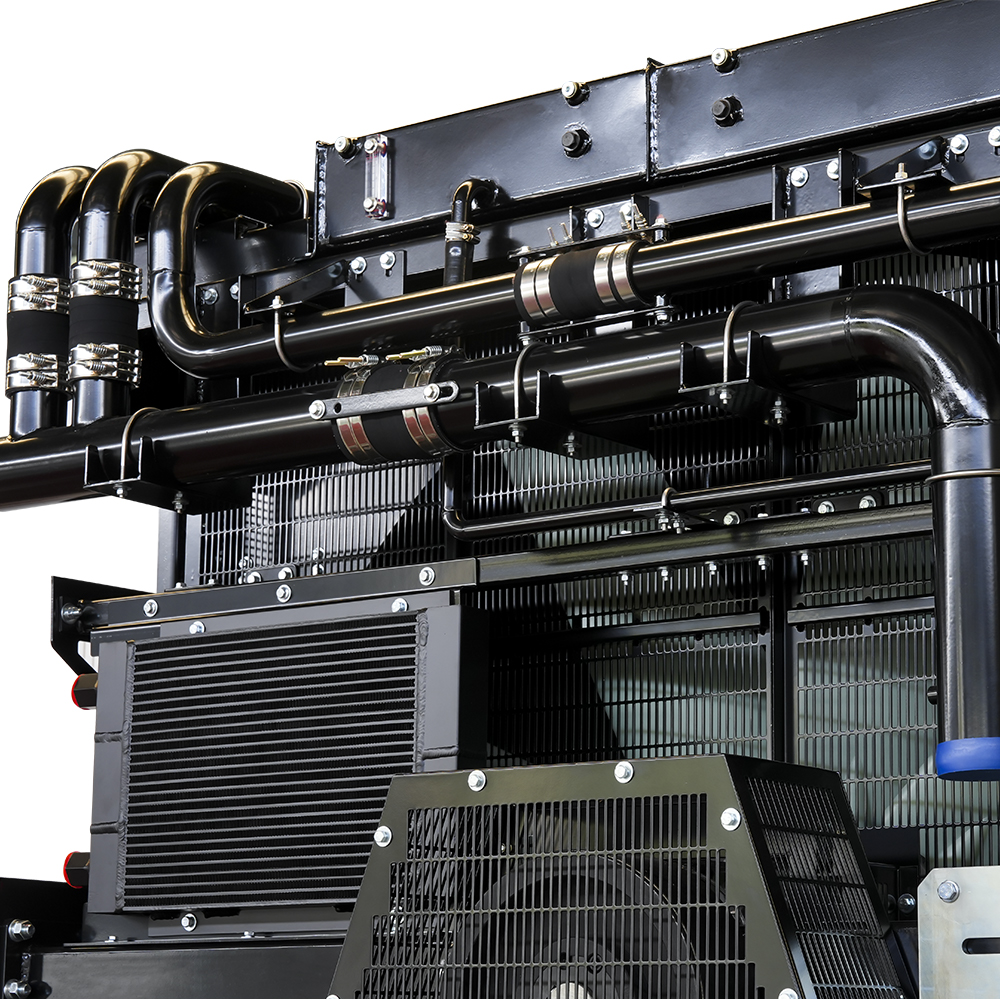 Coastal/Offshore Diesel Generator Radiators ManufacturersBuilt for harsh marine environments, this radiator resists saltwater corrosion and high humidity. Using marine-grade aluminum or copper alloys with protective coatings...View Product →
Vessels that work coastally or offshore need the whole cooling package specified for that environment, from core coating and frame material to fan hub and fasteners, rather than the radiator alone.
Heat Load Math: Why a Marine Genset Is Not a Truck Engine
Only about a third of the energy in diesel fuel leaves a marine genset as electricity; roughly another third leaves with the exhaust gas, and the remainder has to be removed by the coolant circuits through a radiator or a heat exchanger.
A 150 kW marine genset at rated load puts roughly 95 kW into the jacket water circuit and about 38 kW into the charge-air aftercooler. A truck engine of the same power sees highway airflow across a large core and spends most of its life at part load; the marine unit runs at fixed speed, near full load, in still air, often for thousands of hours a year.
The sizing rule that prevents most overheating complaints: calculate heat rejection at rated load, add the aftercooler duty, then check the core against the highest engine room air temperature the vessel will ever see, never against an average.
Units that look generous on paper often fail at exactly this point, because a core rated at 25 degrees Celsius ambient air loses a fifth or more of its capacity in a 50 degree engine room.
Raw-Water, Keel-Cooled or Closed-Loop: Three Circuits, Three Radiator Answers
A marine diesel generator dumps its heat through one of three circuits, and the circuit chosen decides what the core must be built from, how much airflow it needs and how often it must be cleaned.
Raw-water heat exchanger
Seawater passes through a tube bundle and carries heat overboard while the engine side stays on treated coolant with glycol. It is compact, needs no large fan and suits hulls where the engine sits low and seawater flow is reliable. Its enemies are fouling, blocked strainers, tube corrosion and freezing during winter layup.
Keel cooling
Heat leaves through a grid of tubes bonded to the hull, so no raw water enters the boat at all. Workboats that stay afloat all year favour it, but the hull grid needs protection and an annual inspection, and the long pipe runs add coolant volume the pump has to move.
Closed-loop radiator with fan
A conventional core, usually remote mounted or ducted, rejects heat into engine room air. It keeps seawater out of the machinery space and works when the vessel is stored ashore, but it demands genuine vent area, disciplined ducting and a fan able to pull air through a tight space.
| Circuit | Heat path | Core construction | Typical maintenance |
| Raw-water heat exchanger | Seawater absorbs heat, then discharges overboard | Tube bundle in a bronze or cupronickel shell | Annual cleaning, tube inspection every 2 to 3 years |
| Keel cooler | Heat passes through the hull grid into surrounding water | Heavy-wall tube grid, no fan required | Annual zinc and hull inspection |
| Closed-loop radiator with fan | Heat enters engine room air and leaves through a vent | Tube-and-fin or plate-and-fin core, often remote mounted | Core cleaning every 500 to 1000 running hours |
Choose it when the engine sits low in the hull, seawater flow is reliable and the vessel is afloat most of the year. You gain a smaller footprint, no hot air discharge into the engine room and no fan load, but you accept fouling risk, strainer attention and a winter drain routine.
Choose it when the vessel is often ashore, when seawater plumbing is unwelcome, or when glycol protection matters more than fan power. You gain clean coolant and no internal salt attack, but you must provide ducted airflow, vent area and acceptable fan noise.
Commissioning check: measure actual seawater flow and actual air velocity at the core face before accepting the installation. Those two numbers, not the drawing, decide whether the unit holds temperature at full load.
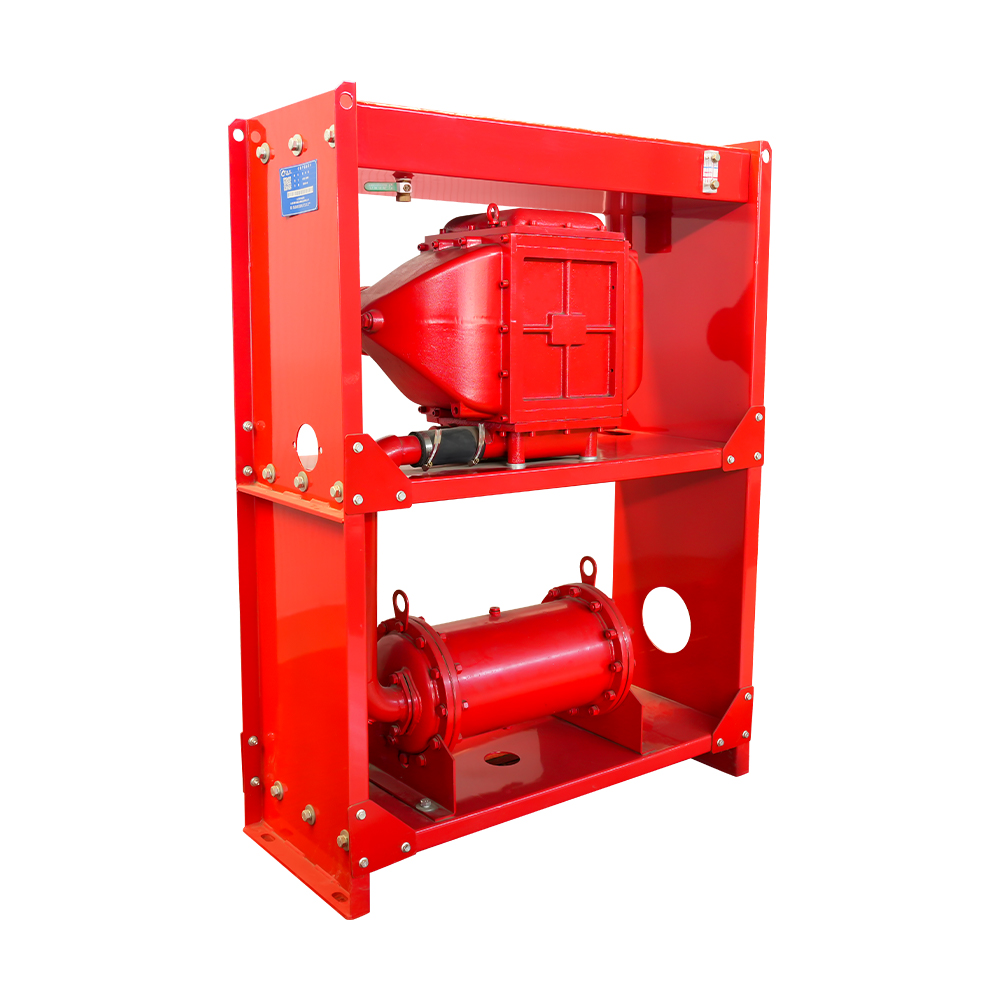 Heat Exchanger ManufacturersDesigned for liquid-to-liquid cooling, these units transfer heat from the engine coolant to an external water source, such as a cooling tower or raw water system. Idea...View Product →
Salt Spray, Vibration and the Real Cost of Corrosion
Coating and core material decide whether a marine radiator reaches its twelfth season or fails in its third, and the difference in purchase price is usually a fraction of the cost of one unplanned haul-out and a lost charter day.
Salt mist settles on hot fins, dries into crystals and attacks any bare aluminium or steel edge. Tube-to-header joints and tank seams bring dissimilar metals together, and engine torsional vibration works those joints until fatigue cracks open and coolant weeps into the fins.
Lightly painted steel frame, standard tube wall, 8 to 10 fins per inch, a modest salt-spray rating, and cleaning once a year or every 1,000 running hours.
Coated or stainless frame, coated core with a 720-hour-plus salt-spray rating, 10 to 12 fins per inch, sealed dissimilar-metal interfaces, cleaning every 500 hours plus an annual coating inspection.
| Coating system | Dry film thickness | Salt-spray resistance | Best suited to |
| Epoxy primer with epoxy topcoat | 120 to 180 microns | 720 to 1000 hours | Coastal and offshore duty, hot core surfaces |
| Polyurethane topcoat | 80 to 120 microns | 500 to 800 hours | Mixed inland and coastal use with UV exposure |
| Polyester powder coat | 60 to 100 microns | 400 to 700 hours | Inland duty and sheltered engine rooms |
Coating is a specification line on the drawing, not a finishing preference. For a detailed breakdown of epoxy, polyurethane and powder coat behaviour on marine cores, read this guide to coating selection for marine radiators.
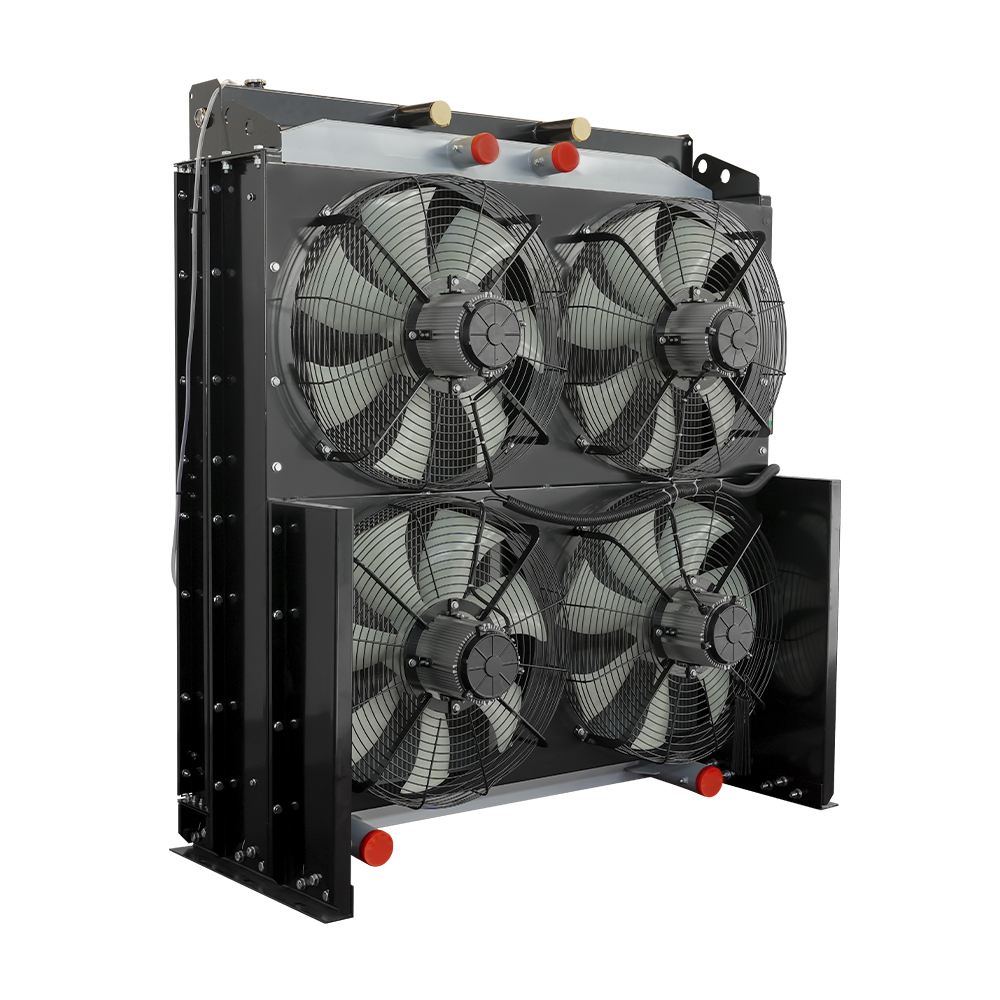 Coastal Environment Generator Radiators ManufacturersBuilt with anti-salt corrosion materials and protective coatings, these radiators provide long-lasting performance in humid, saline environments. Ideal for ports, seas...View Product →
Construction matters just as much. Aluminium-plastic cores with crimped tanks resist vibration well but depend entirely on crimp and gasket quality, while all-aluminium cores braze the tank to the header and tolerate thermal cycling better when the brazing process is properly controlled.
Sizing and Cross-Referencing a Replacement Radiator
A like-for-like replacement is decided by five measurements and a material check, never by the part number stamped on the old tank.
Supply risk to watch: mixing an aluminium core with a copper-brass tank, or an uncoated aluminium core with a coated steel frame, creates galvanic couples that show up at the header within two seasons.
Jiangsu Weichuang Radiator Manufacturing Co., Ltd. builds generator set radiators in tube-and-fin, plate-and-fin, aluminium-plastic and all-aluminium construction, and supplies both OEM assembly lines and replacement programmes, which means the same factory can answer with a standard cross-reference or a custom core built against a drawing.
Frequently Asked Questions About Boat Diesel Generator Cooling
How much heat does a boat diesel generator radiator have to remove?
As a working figure, the jacket water circuit carries about 0.6 to 0.7 kW of heat for every kilowatt of electrical output at rated load, and the charge-air aftercooler adds roughly 0.25 kW per kilowatt on turbocharged units. A 60 kW genset therefore asks its cooling system to shed around 50 kW.
Can I fit an automotive radiator to a marine genset?
No. Automotive cores are sized for road airflow and intermittent load, use different tank and mounting arrangements, and are not coated for constant salt exposure. The unit will run acceptably at the dock and overheat under sustained load in a hot engine room.
Why does my genset overheat only at anchor?
Because both airflow and seawater flow fall when the vessel stops. Hot air recirculates to the core face, seaweed and debris load the strainer, and the raw-water pump loses prime. Measure air velocity and seawater flow before replacing any hardware.
How often should a marine generator radiator be cleaned?
Every 500 to 1000 running hours for coastal duty, with an annual coating inspection and a coolant chemistry check. Units in dusty or offshore service should be inspected at the shorter end of that range.
Final check before you buy: if the core is clean, the coolant chemistry is correct and the unit still runs hot, the fault is almost always airflow or circuit design. Measure those two variables before ordering a larger radiator.

- Product Categories
- Contact Us
-
- wcradiator@jswcsrq.com
- +86-514-400-180-4088
- +86-15152759383
- +86-15152759383
- No. 6 Road, Shaobo Industrial Concentration Zone, Jiangdu District, Yangzhou City, Jiangsu Province, China

