


 English
  русский
  Français
  Indonesia
  عربى
عربى  中文简体
中文简体


How Do You Prevent Corrosion in a Heat Exchanger? A Practical Guide for Generators
Content
A 500 kW standby genset passed every monthly no-load start until a full-load test raised the high-coolant-temperature alarm. The radiator was leaking from a pinhole near the bottom header. It had not failed suddenly; corrosion had been working in a stagnant low-flow zone for years.
Corrosion in a heat exchanger is not a mystery. Once you identify the mechanism and control the environment around the metals, most failures can be prevented. The actions that matter most are material selection, water chemistry, flow design, coatings, and scheduled inspection.
Why Heat Exchangers Corrode
Corrosion is an electrochemical process that returns a metal to its natural oxide state. In a heat exchanger, the coolant is the electrolyte, and the tube, tank, and fin materials are the electrodes. Four mechanisms account for most field failures: galvanic corrosion, pitting, erosion-corrosion, and stress corrosion cracking. The table below summarizes what causes each one and where the main defense lies.
| Mechanism | Typical trigger | Main prevention |
|---|---|---|
| Galvanic corrosion | Dissimilar metals connected in the same coolant path | Use compatible material pairs or dielectric isolation |
| Pitting | Chlorides and low-flow zones attack the passive film | Lower chloride concentration, add inhibitor, improve flow |
| Erosion-corrosion | High velocity or turbulence removes the protective layer | Stay within design flow range, clean strainers, avoid sharp turns |
| Stress corrosion cracking | Tensile stress plus a specific chemical environment | Relieve residual stress, control temperature and chloride |
Each mechanism leaves a different visual pattern. A galvanic attack appears around contact points; pitting shows up as small craters on the tube surface; erosion-corrosion follows a flow path. If you can identify the pattern, you know which prevention control to reinforce.
Materials and Coatings
Material selection is the longest-lived corrosion control. Copper-brass cores are conventional and easy to repair, but aluminum cores are common on modern generator sets because they are lighter and transfer heat well. Each metal needs a different coolant chemistry. Aluminum requires an inhibited coolant with low chloride and little free oxygen; copper alloys depend on a consistent inhibitor concentration to avoid pitting. Stainless steel offers excellent corrosion resistance, but austenitic grades can crack under chloride stress at elevated temperatures. There is no perfect material, only the correct match for your service conditions.
If you are comparing traditional aluminum cores with aluminum-plastic composite cores, this material corrosion guide for generator radiators explains how the core structure changes corrosion behavior.
For a generator set where routine maintenance is limited, an all-aluminum radiator can be a practical option: it avoids dissimilar-metal interfaces inside the core and works reliably when the coolant program is maintained.
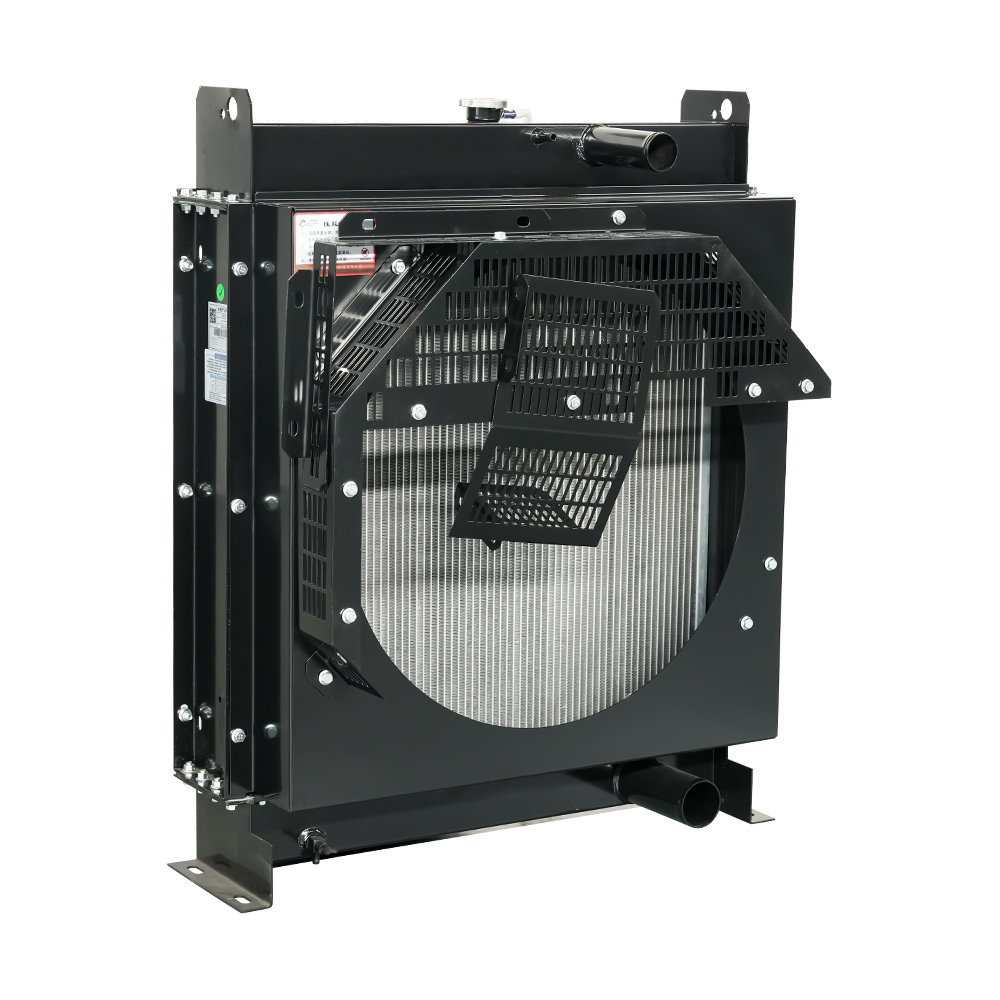 All-Aluminum Radiators Manufacturers, Suppliers, FactoryAs OEM All-Aluminum Radiators Manufacturers, All-Aluminum Radiators Suppliers and Factory in China, Weichuang offer Custom All-Aluminum R...View Product →
Coatings for Corrosive Environments
Coatings add a protective barrier between the metal and the atmosphere. Epoxy, polyurethane, and powder coating are common choices for marine and coastal service. The right system depends on the actual environment: salt-laden coastal air, industrial sulfur dioxide, or high humidity. The external fin face, the tube-to-fin joints, and the mounting bolts are often the first places to fail. For sites near seawater, a coastal-environment generator radiator is designed with a heavier coating and a fin package that resists salt attack.
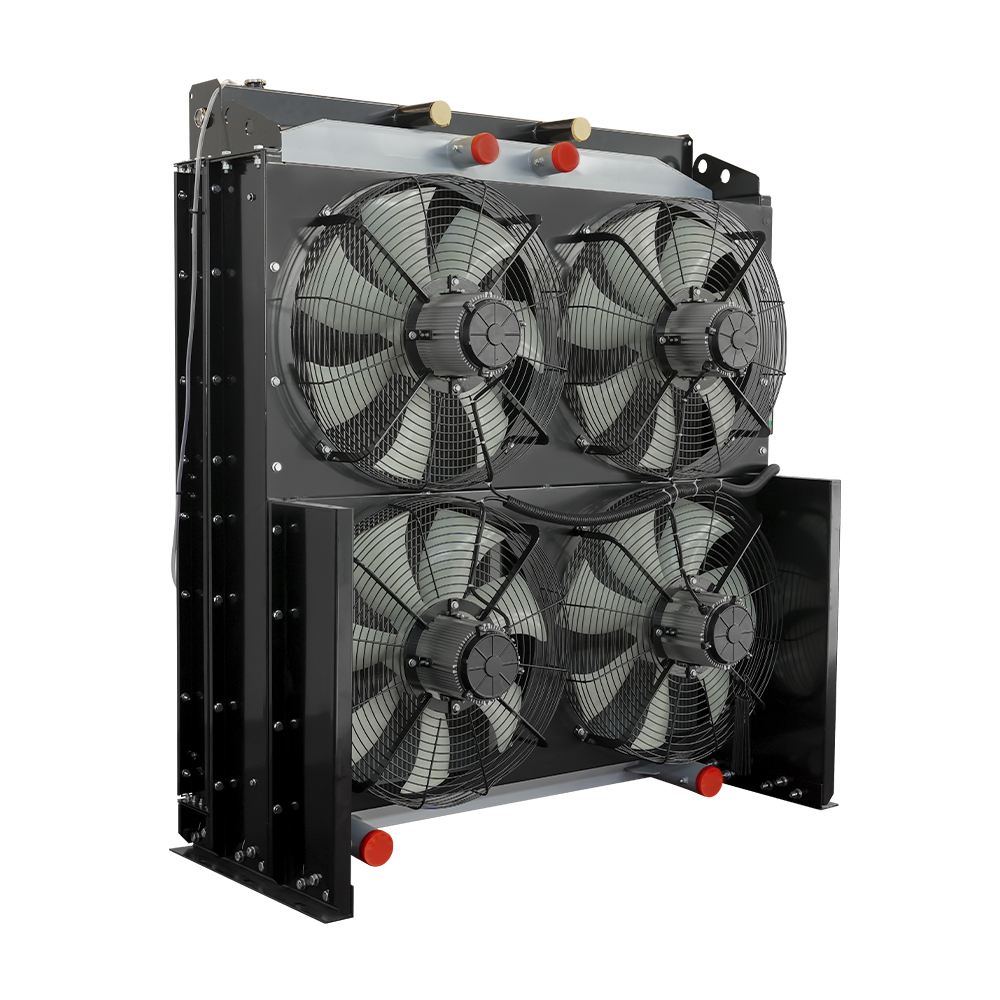 Coastal Environment Generator Radiators Manufacturers, Suppliers, FactoryAs OEM Coastal Environment Generator Radiators Manufacturers, Coastal Environment Generator Radiators Suppliers and Factory in China, Wei...View Product →
Coolant Chemistry and Water Treatment
Water quality is the most underrated part of heat exchanger corrosion control. Tap water may keep the engine cool for a few months, but it can also leave scale and drive electrochemical attack. In a closed-loop generator cooling system, use demineralized or softened water mixed with the correct amount of inhibited ethylene glycol or propylene glycol. Antifreeze does more than protect against freezing; it carries corrosion inhibitors and raises the boiling point. Over time, glycol degrades into acidic compounds, so the mixture must be tested and replaced on schedule.
For most industrial closed loops, keep pH in the range of 8.0 to 9.5, maintain chloride limits that match the tube material, and monitor the inhibitor reserve. When stainless steel is present, chloride should be kept low to avoid pitting or stress corrosion cracking. In open cooling towers with heat exchangers, filtration, blowdown, and biological control are just as important as chemical addition.
Flow Design and Mechanical Layout
Flow shapes corrosion. When coolant velocity is too low, dirt and corrosion products settle in the bottom of the water box and create under-deposit pitting. When velocity is too high, the fluid tears off the protective oxide film and causes erosion-corrosion. The designer controls velocity through tube diameter, pass arrangement, and water-box geometry. The operator controls it by not throttling the pump too far and by cleaning strainers regularly. A replacement unit should maintain the same pressure drop and pass arrangement as the original, so the flow pattern does not change. A heat exchanger designed for generator cooling matches the core size and nozzle layout to the engine package, which makes it easier to preserve the original flow conditions.
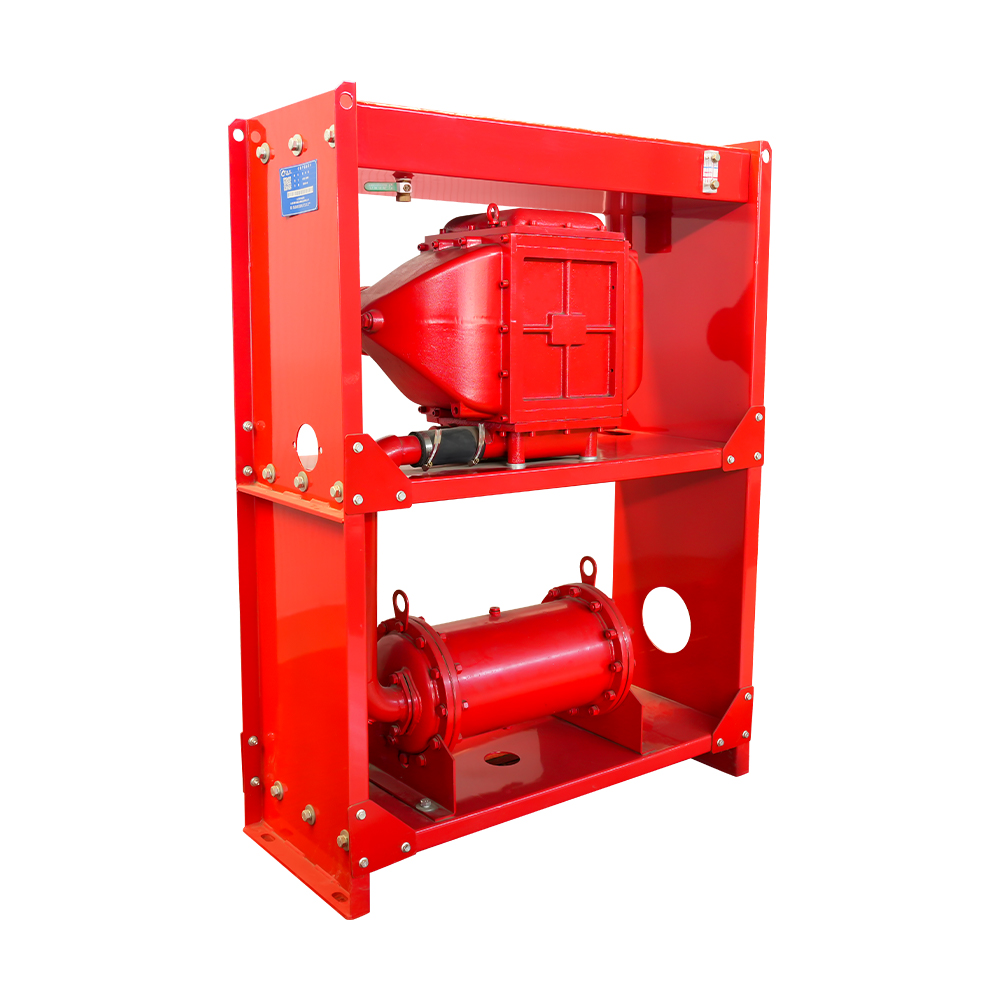 Heat Exchanger Manufacturers, Suppliers, FactoryAs OEM Heat Exchanger Manufacturers, Heat Exchanger Suppliers and Factory in China, Weichuang offer Custom Heat Exchanger for sale.View Product →
Inspection and Monitoring
Corrosion does not wait for a scheduled overhaul. Visual inspection catches the obvious damage, but coolant chemistry catches the slow changes that cause it. In continuous-duty service, test coolant samples at least every 500 hours, and always test after a long period in storage. Where practical, use corrosion coupons or electrical probes to track corrosion rate. In high-value units, eddy-current testing can find wall loss in the tubes before it becomes a leak.
What a Routine Inspection Should Cover
- Coolant pH, inhibitor concentration, and chloride level
- Condition of hoses, seals, and the filler cap
- Core face for bent fins, debris, salt residue, or chemical deposits
- Water box or header area for sludge, scale, and localized pitting
- Sacrificial anodes, dielectric isolation, or electrical bond condition
When Repair or Replacement Makes Sense
A small leak in one tube can be plugged temporarily, but every plugged tube reduces surface area and raises pressure drop. If leaks appear in the same zone or at the same header, the corrosion process has likely affected several tubes. Repeated welding on a radiator core also creates heat-affected zones that corrode faster than the base material. At that point, replacement is often more economical than another repair. When you replace a heat exchanger, check the core dimensions, nozzle size, pressure drop, fin density, and environmental coating. A standard core in a coastal or desert site will fail again if it was not designed for that environment.
A Practical Prevention Program
Preventing corrosion in a heat exchanger is not a single action; it is a system of controls that reinforce each other. Follow these five steps:
- Define water chemistry limits and use treated water in the cooling system.
- Maintain the correct inhibitor concentration and pH.
- Select materials and coatings that match the environment.
- Keep flow velocity within the design range and clean strainers regularly.
- Inspect on a fixed schedule and track coolant test results over time.
If you apply these controls consistently, the heat exchanger will last longer, and the failure that shuts down a genset during a critical load test becomes much less likely.

- Product Categories
- Contact Us
-
- wcradiator@jswcsrq.com
- +86-514-400-180-4088
- +86-15152759383
- +86-15152759383
- No. 6 Road, Shaobo Industrial Concentration Zone, Jiangdu District, Yangzhou City, Jiangsu Province, China

