


 English
  русский
  Français
  Indonesia
  عربى
عربى  中文简体
中文简体


Industrial Radiator Service: Repair vs. Replace Decision Guide for Generator Owners
Content
- 1 Why Industrial Radiator Service Matters for Your Bottom Line
- 2 Step 1: Diagnose the Problem – 3 Common Failure Modes
- 3 Step 2: The Repair vs. Replace Decision Matrix
- 4 Step 3: Choosing the Right Service Provider
- 5 Preventive Maintenance: The Best Service Is the One You Never Need
- 6 Special Considerations for Extreme Environments (Desert, Coastal, Mining)
- 7 Conclusion: Build a Service Strategy for Long-Term Reliability
Why Industrial Radiator Service Matters for Your Bottom Line
When a 500 kW diesel generator trips offline because of a burst radiator, the facility manager does not just see a coolant leak. They see $2,000 to $5,000 per hour in lost production, spoiled inventory, or idle workforce. Industrial radiator service is not a commodity expense — it is a direct lever on operational profitability.
Cooling system failures remain the single largest cause of unscheduled engine-related downtime in mission-critical applications. Data from field service records across data centers, mining sites, and prime power installations indicates that inadequate radiator maintenance triggers nearly 40% of all engine overheating events. A structured service approach slashes unplanned outages and extends total asset life, often reducing the levelized cost of cooling by 30% or more over a 10-year ownership horizon.
This guide cuts through the typical sales pitch and gives you the technical framework to make fast, accurate decisions. You will learn how to diagnose the three most common failure modes, evaluate repair against replacement using a cost-lifetime matrix, select a qualified service provider, and implement a preventive maintenance plan that works even in the harshest environments.
Step 1: Diagnose the Problem – 3 Common Failure Modes
Accurate diagnosis avoids paying for a full recore when a simple gasket could fix the leak, or worse — patching a fatigued core that will fail again in six months. Every industrial radiator service call should start by identifying which of the three dominant failure modes you are facing.
- Internal clogging (scale and sediment buildup). Symptom: Engine runs hot at high load but coolant level remains stable. Cause: Neglected coolant chemistry — old inhibitors fail, minerals drop out, and sludge accumulates in tube banks. Detection: Drain a coolant sample into a clear jar; visible silt or a pH below 8.0 confirms the problem. A differential pressure gauge across the radiator inlet and outlet is the most reliable field test.
- External fin corrosion and air-side blockage. Symptom: Gradual temperature creep under normal load, often accompanied by higher fan cycle times. Cause: Atmospheric contaminants — salt spray near coastlines, ammonia fumes in agricultural settings, or cement dust on construction sites — eat through fin material or blanket the core. Detection: Visual inspection with a flashlight; if you cannot see light through the core in more than 15% of the frontal area, airflow is critically restricted.
- Mechanical damage (cracked tanks, tube-to-header joint failure). Symptom: Active coolant spray or drips, often triggered by vibration or thermal cycling. Cause: Fatigue from constant high-cycle vibration, repeated freeze-thaw events, or stress from rigid piping without flexible connectors. Detection: Pressurize the cooling system to 15 psi with the engine off. Even small leaks become visible with UV dye and a black light. Pay particular attention to the upper tank-to-header seam — stress cracks there often indicate a failed vibration isolator on the mounted genset.
Step 2: The Repair vs. Replace Decision Matrix
Once the failure mode is pinned down, the core question becomes: recore, weld repair, or full replacement? The answer depends on more than just the visible damage. You must factor in radiator age, core material, and the cost of future downtime. Use the table below as a rapid decision tool.
| Service Option | Typical Cost Range (USD) | Average Downtime | Expected Lifespan | Best Application |
|---|---|---|---|---|
| Recore (core replacement) | $1,500 – $4,000 | 3 – 5 days | 5 – 8 years | Clogged or corroded core with solid tanks and headers; unit 5–12 years old. |
| Weld repair (local fix) | $300 – $1,500 | 1 – 2 days | 2 – 5 years | Single crack or pinhole in an otherwise sound tank; emergency field repair to regain uptime. |
| New radiator (full replacement) | $5,000 – $15,000+ | 1 day (if stocked) / 2–3 weeks (custom built) | 10 – 15 years | Multiple failure areas, unit older than 15 years, or when re-powering the genset for a longer service life. |
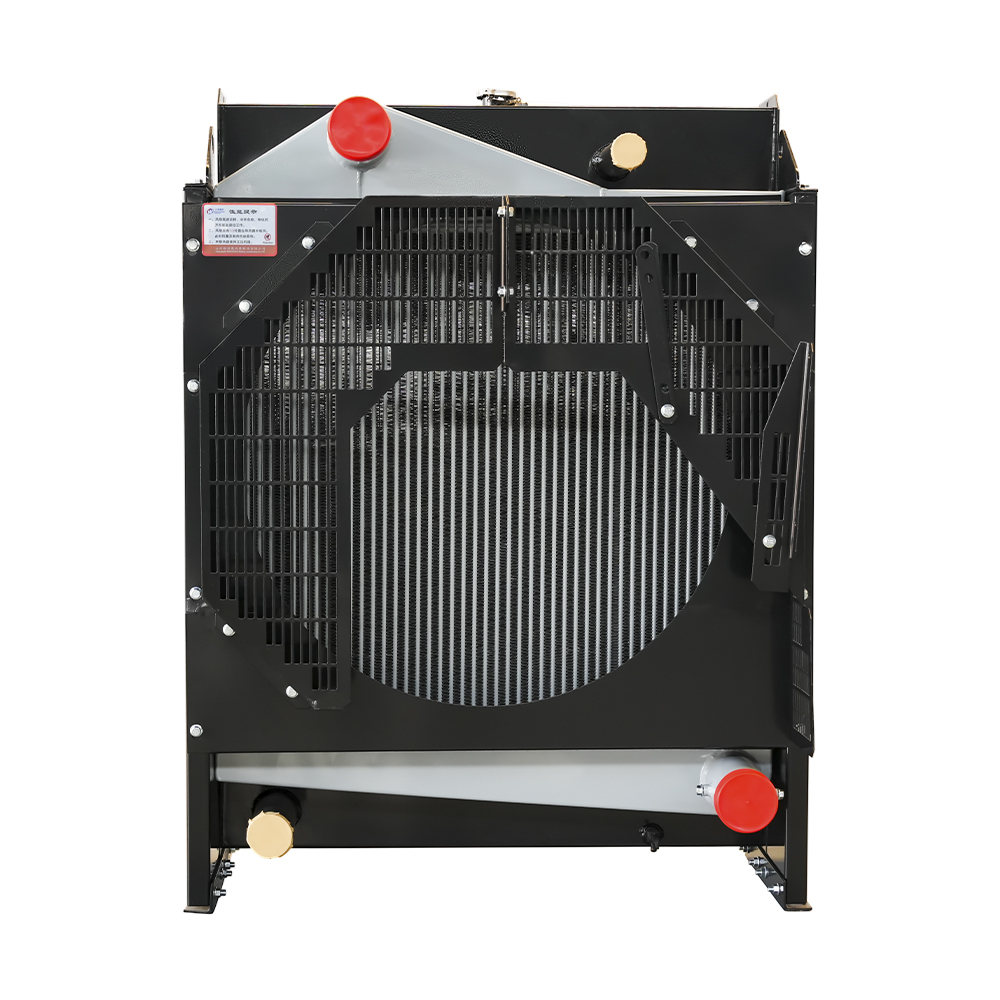
A recore can be an excellent mid-life solution, restoring heat rejection to near-OEM levels at roughly 40% of the cost of a new unit. However, if the header plate shows pitting beyond 1.5 mm or the top tank has multiple braze repairs, patching is a short-term gamble. In those cases, a new, application-engineered radiator — such as a heavy-duty industrial generator radiator — becomes the safest long-term investment. The newer unit will also accept the latest high-efficiency fin geometries that reduce fan power draw, paying back part of the upfront cost over three to five years of continuous operation.
Step 3: Choosing the Right Service Provider
Not every radiator shop is equipped for the scale and criticality of industrial cooling. A shop that does excellent work on truck radiators may lack the vacuum brazing furnace needed for large aluminum cores or the mobile lifting rig for a 1,200-pound remote mount. Vet potential providers with these five questions.
- Do you have documented experience with high-horsepower diesel gensets, and can you provide references from sites of similar kilowatt class?
- What welding and joining capabilities do you offer — specifically gas tungsten arc welding (TIG) for aluminum and controlled-atmosphere brazing for copper-brass cores?
- Can you perform on-site pressure decay testing and provide a before-and-after thermal performance report, not just a visual sign-off?
- Do you carry dedicated tooling and jigs for the major engine brands we operate — or will every job be a one-off custom fit?
- What is your standard warranty period on recores and new radiators, and does it cover labor for removal and reinstallation in the event of an early failure?
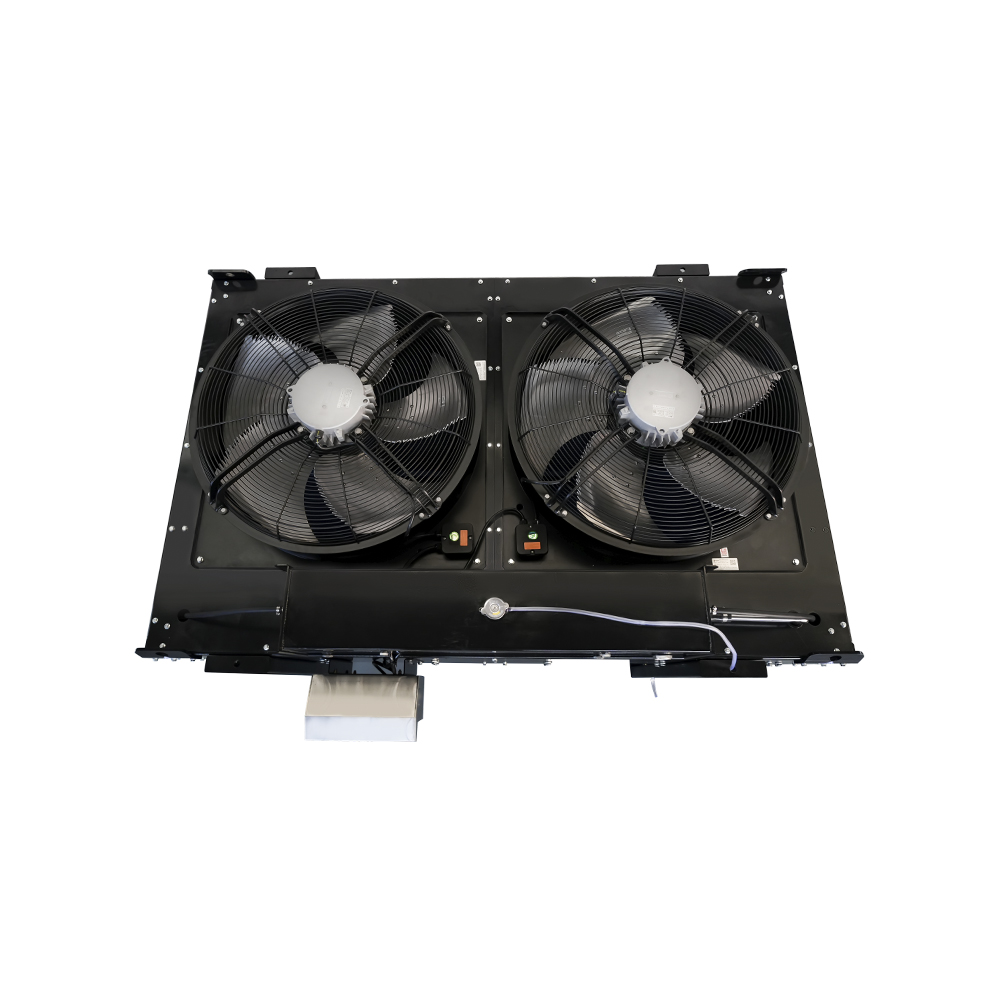
A provider that can handle diverse cooling architectures — from compact tube-and-fin units to complex remote radiator installations — brings a broader diagnostic lens to the job. That depth often shortens troubleshooting time and prevents unnecessary component swaps. Aim for a partner, not just a repair vendor.
Preventive Maintenance: The Best Service Is the One You Never Need
Research across multiple fleet operators shows that a disciplined preventive maintenance (PM) program eliminates over 70% of forced cooling system outages. The checklist below turns annual radiator service from a reactive cost into a predictable operating rhythm.
- Quarterly: Inspect all hoses and clamps for softening or cracks. Check fan belt tension and alignment with a belt tension gauge. Blow out the radiator core from the engine side outward using compressed air below 30 psi; if oil mist is present, follow with a biodegradable degreaser and low-pressure water rinse.
- Semi-annually: Test the pressure cap with a hand pump to ensure it holds the rated pressure. Measure coolant freeze point and reserve alkalinity. Send a coolant sample to a lab for full spectrochemical analysis — this catches early signs of combustion gas leaks, silicate drop-out, or corrosion inhibitor depletion.
- Annually: Perform a full external core wash and fin combing if more than 5% of the fins are bent. Conduct a controlled pressure test of the entire cooling circuit at 15 psi for 30 minutes. Document end-to-end inlet-outlet temperature difference under stable load as a baseline for future trending.
- Every two years: Drain and replace coolant with the OEM-recommended formulation. Flush the system thoroughly if switching coolant types. Inspect sacrificial anodes on units operating in saline environments and replace when more than 50% consumed.
Integrating these steps into your existing generator maintenance log turns the radiator from a forgotten component into a managed asset. The data you collect also makes future repair-vs.-replace decisions far more precise.
Special Considerations for Extreme Environments (Desert, Coastal, Mining)
Standard PM intervals crumble in severe operating conditions. Three environments demand a tailored industrial radiator service plan.
- Desert and high-ambient sites: Air loaded with fine silica dust acts like a sandblaster on aluminum fins. Increase external cleaning frequency to every 250 operating hours. Specify radiators with wide fin spacing (2.1 mm or greater) and robust louvered fins that resist clogging. Monitor coolant temperature trends weekly — a rise of just 3 °C over baseline at full load signals the onset of airflow restriction well before an alarm triggers.
- Coastal and offshore installations: Salt-laden air drives rapid galvanic corrosion on aluminum surfaces. Apply an epoxy-based fin coating at the time of manufacture or recore. Install zinc or magnesium sacrificial anodes on the radiator frame and check them every quarter. Use coolants with extended-life carboxylate inhibitors that are specifically formulated for mixed-metal engines running near seawater.
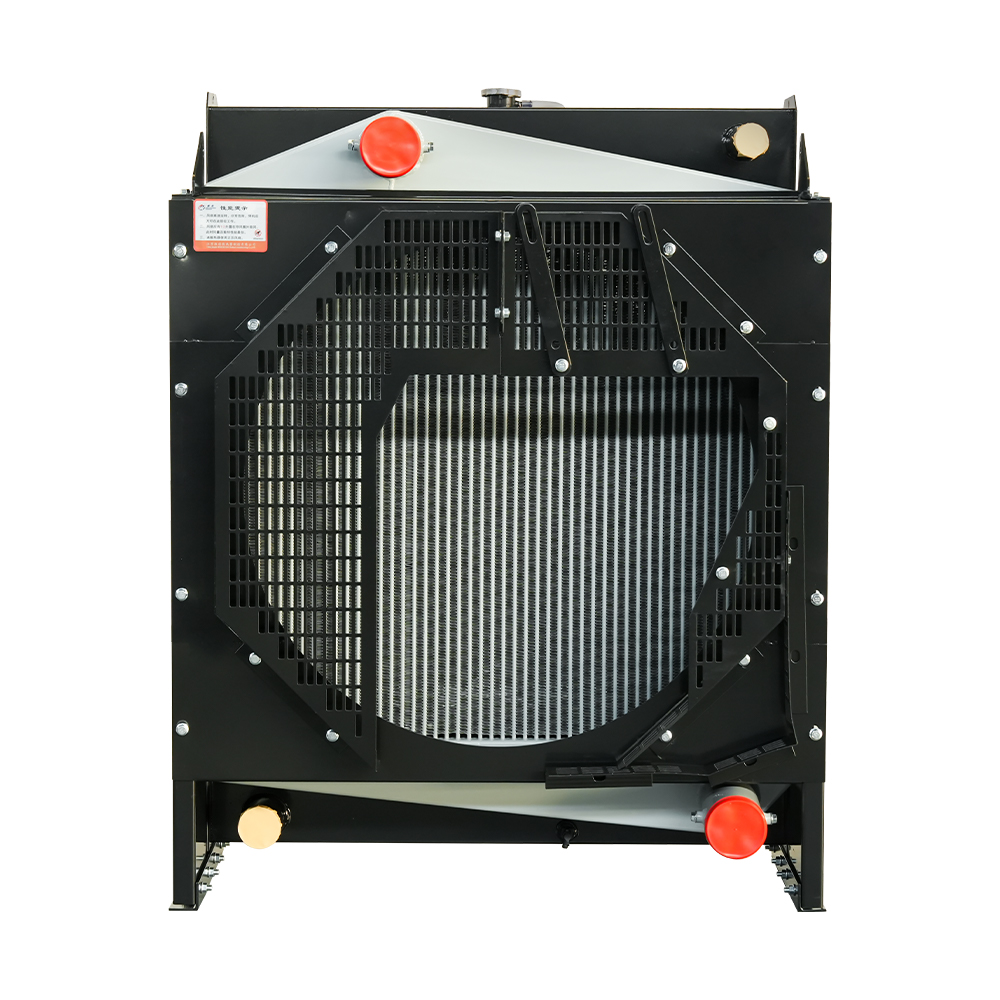
- Underground and surface mining: The combination of coal dust, rock flour, and constant vibration shortens radiator life dramatically. Deploy a compressed air water separator on the fan circuit to keep moisture from caking dust onto the core. Fit stainless steel wire mesh guards upstream of the radiator to catch larger debris. Where possible, relocate the radiator to a clean air plenum, as seen in remote-mount configurations for mining site generators, to extend service intervals by 300% or more.
Conclusion: Build a Service Strategy for Long-Term Reliability
Industrial radiator service is a calculated investment in uptime. By moving from break-fix panic to a deliberate cycle of diagnosis, decision-making, and preventive maintenance, you shift the odds in your favor. A generator that consistently runs at its design temperature uses less fuel, emits fewer particulates, and avoids the cascading failures that a single overheating event can trigger.
Start with the failure diagnosis framework outlined above, use the decision matrix to choose the right repair path, and vet providers against clear technical criteria. Then lock in a maintenance cadence that matches your operating environment. The result is a cooling system that delivers predictable performance — and a balance sheet that reflects it.

- Product Categories
- Contact Us
-
- wcradiator@jswcsrq.com
- +86-514-400-180-4088
- +86-15152759383
- +86-15152759383
- No. 6 Road, Shaobo Industrial Concentration Zone, Jiangdu District, Yangzhou City, Jiangsu Province, China

